How to Propagate a Yucca Plant from Cutting

If you want a tough, handsome houseplant that gives you more plants for free, yucca is your friend. It looks dramatic, shrugs off dry air, and puts up with a bit of neglect.
But propagation? That’s where people get nervous.
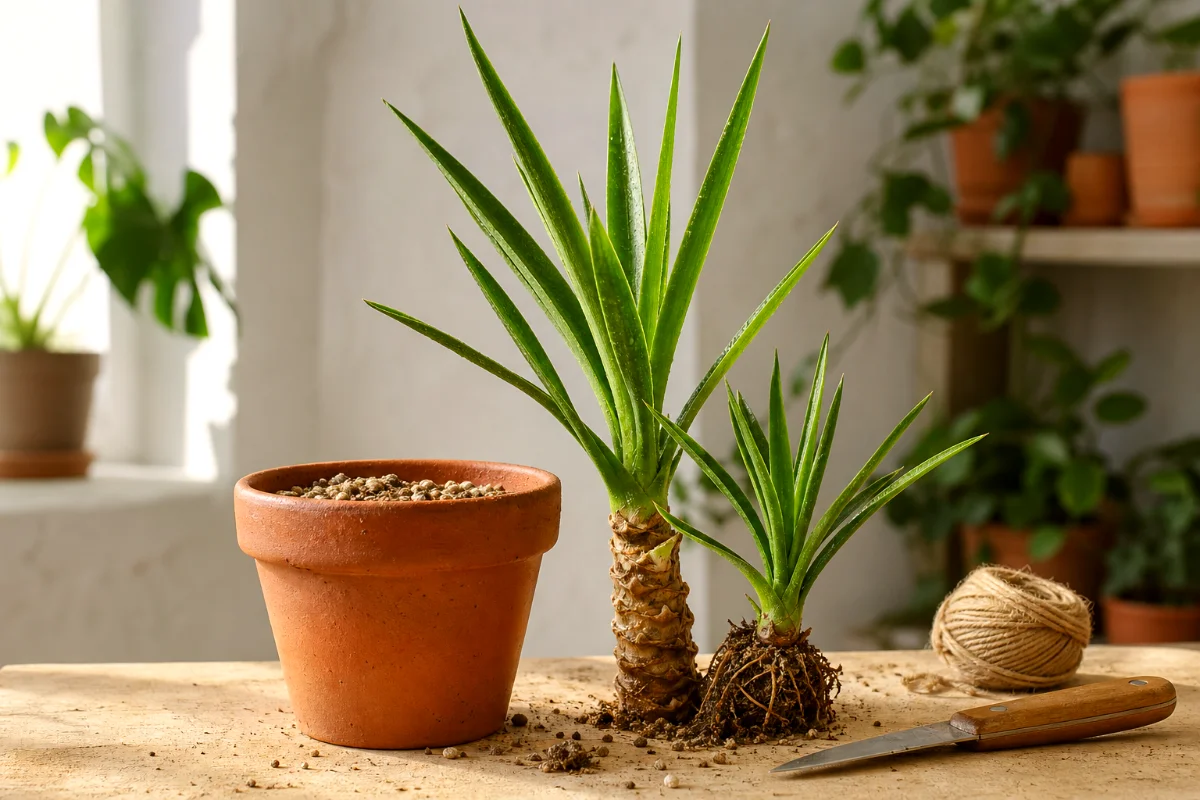
Don’t be. You can propagate yucca plants in spring or summer using two beginner-friendly methods: separating offsets, also called pups, or rooting stem cuttings from the cane. Pups are the easiest. Stem cuttings work well too, but they ask for more patience.
And yes, patience matters here. Yucca doesn’t hurry just because you’re checking the pot every morning with a cup of coffee in your hand.
Best Time to Propagate Yucca
Propagate yucca in spring or early summer. The plant has more warmth, more light, and a longer growing season to build roots.
Can you try it in winter? You can. But I wouldn’t, unless you have strong grow lights and a warm room. Cold, damp soil slows rooting and invites rot, which is the usual way yucca cuttings fail.
A good rule from real pots on real windowsills: if your home feels warm and bright enough for a tomato seedling, your yucca cutting has a fair chance.
What You’ll Need Before You Start
Gather everything first. Yucca leaves can be sharp, and you don’t want to hold a spiky plant in one hand while hunting for a clean pot with the other.
- Thick gloves to protect your hands from sharp leaf tips
- Sharp, clean knife or pruning saw for smooth cuts
- Small pots with drainage holes
- Cactus or succulent mix, or sandy potting mix
- Rooting hormone powder, optional but useful for stem cuttings
- Clean towel or tray for drying cut ends
- Plant label, because months later every bare cane looks suspiciously alike
Clean tools matter. A ragged cut heals slowly, and dirty blades can move rot or disease from one plant to another. I wipe blades with rubbing alcohol before I cut. It takes ten seconds.
Method 1: Propagating Yucca From Offsets or Pups
This is the method I recommend first. Pups are small baby yucca plants that grow at the base of the mother plant. They may already have tiny roots, which gives them a strong head start.
Easy win.
Step 1: Choose a Pup That’s Ready
Wait until the pup stands a few inches tall. Bigger is better, within reason. A tiny pup with two sad leaves has less stored energy and dries out faster.
Look for a pup that has firm leaves, a solid base, and a little space between it and the main trunk. If it grows right against the mother plant, take your time. Don’t hack blindly.
Step 2: Remove the Yucca From the Pot if Needed
If you can see the pup clearly at soil level, you may separate it without unpotting the whole plant. But with crowded yuccas, I often slide the root ball out first.
This lets you see where the pup joins the main root system. You make a cleaner cut that way, and clean cuts heal better.
Step 3: Cut the Pup Away
Use a sharp, clean knife to cut the pup away from the mother plant. Try to keep a few roots attached to the pup if you can.
No roots? Don’t panic. A healthy pup can still root, but it needs gentler watering and more patience.
Make one firm cut. Sawing back and forth with a dull knife bruises the tissue. Bruised yucca tissue rots more easily, especially in wet soil.
Step 4: Let the Cut End Dry
Place the pup somewhere dry and shaded for 1 to 2 days. This lets the cut end dry and seal over.
That dry skin is called a callus. It acts like a natural bandage. If you pot a fresh, wet wound straight into damp soil, rot can sneak in before roots even start.
Step 5: Pot the Pup
Fill a small pot with moist sandy soil or cactus mix. Set the pup into the mix so it stands upright, then firm the soil gently around the base.
Use a small pot, not a big one. Oversized pots hold extra moisture, and yucca hates sitting in soggy soil. I know big pots feel generous. For yucca pups, they’re usually trouble.
Step 6: Care for the New Yucca Pup
Place the pot in a bright, warm spot. Bright indirect light works well indoors. Outdoors, choose morning sun and some afternoon protection while the pup settles.
Keep the soil lightly moist, not wet. Think wrung-out sponge, not mud pie.
Once you see new growth, start watering more like a normal yucca: water well, then let the mix dry quite a bit before watering again.
Method 2: Propagating Yucca From Stem Cuttings
Stem cuttings look strange at first. You take a chunk of woody cane, plant it, and trust it to grow roots and shoots.
It works. Slowly.
This method suits mature yuccas with tall, leggy stems. If your yucca has hit the ceiling or looks like a palm tree with a bad haircut, stem cuttings can give it a second life.
Step 1: Pick a Healthy Cane
Choose a mature, firm stem. Avoid mushy, wrinkled, or blackened sections. A cutting only roots well if it starts with stored energy and healthy tissue.
Spring or early summer gives the best results. Warmth wakes the plant up and helps roots form faster.
Step 2: Cut an 8 Inch Section
Cut a stem section about 20 cm, or 8 inches long. Use a sharp knife, loppers, or a small pruning saw, depending on cane thickness.
Here’s the part beginners miss: mark which end was the top.
Yucca cuttings need to go into the pot right-side up. If you plant them upside down, they may fail or sit there doing absolutely nothing. I like to make a straight cut at the top and an angled cut at the bottom so I can’t mix them up.
Step 3: Let the Cutting Callous
Set the cane cutting in a dry, shaded place for at least 24 hours. For thick canes, wait several days, even up to a week.
The cut end should feel dry, not wet or sticky. This drying time helps prevent rot once the cane goes into soil.
Don’t wrap it in plastic. Don’t mist it. Just let it sit.
Step 4: Add Rooting Hormone if You Want
Rooting hormone isn’t required, but it can speed things along. Dip the bottom end of the cutting into rooting hormone powder, then tap off the extra.
Use a light touch. More powder doesn’t mean more roots. It just makes a cakey mess on the stem.
Step 5: Plant the Stem Cutting
Fill a pot with cactus mix, succulent mix, or a gritty blend made from potting mix and coarse sand. The pot must have drainage holes.
Insert the bottom end of the cutting 2 to 3 inches deep. Firm the mix around it so the cane stands steady.
If the cutting wobbles, use a small stake. Movement breaks new root tips before you ever see them.
Step 6: Place It Somewhere Warm and Bright
Put the pot in a warm spot with bright light. A sunny windowsill can work, but avoid baking a fresh cutting against hot glass all day.
Keep the soil slightly moist, never soggy. Stem cuttings have no roots at first, so they can’t drink much. Too much water just hangs around the cut end and causes rot.
This is the hardest part: waiting. Yucca stem cuttings may take several months to grow a strong root system.
The Best Soil for Yucca Propagation
Use a fast-draining mix. Always.
Yucca comes from dry, lean conditions, so its roots expect air around them. Dense, wet potting soil smothers young roots and keeps cut surfaces damp for too long.
Good options include:
- Cactus or succulent mix
- Potting mix blended with coarse sand
- Potting mix blended with perlite or pumice
- A gritty houseplant mix that drains fast after watering
Skip heavy garden soil in pots. It compacts. It holds water. It often brings weeds, pests, and mystery problems. Your yucca cutting deserves better than a bucket of backyard clay.
How to Water New Yucca Cuttings and Pups
Watering causes more yucca propagation failures than bad cutting technique. That’s the honest truth.
For pups with roots, keep the mix lightly moist while they settle in. For stem cuttings without roots, water sparingly. Barely moist soil gives enough support without drowning the cane.
Use your finger. If the top inch of soil still feels damp, wait. If it feels dry and the pot feels light, water a little.
And please, don’t water on a calendar. Plants don’t care that it’s Tuesday.
Light and Temperature for Rooting Yucca
Yucca roots best in warmth and bright light. Indoors, place new plants near a bright window. East or west light works nicely. South light can work too, as long as the plant doesn’t scorch.
Aim for a warm room, around normal household temperatures or a bit warmer. Cold rooms slow the whole process.
If the leaves on a pup fade or stretch, give it more light. If they bleach or crisp badly, pull it back from harsh direct sun.
How Long Does Yucca Take to Root?
Pups often settle in faster, especially if you kept roots attached. You may see new growth in a few weeks to a couple of months.
Stem cuttings take longer. A cane may sit there for months before it shows strong top growth. That’s normal.
Don’t tug on the cutting every week. I know it’s tempting. Instead, look for signs like:
- New leaves pushing from the cane
- The cutting standing firmer in the pot
- Soil drying a bit faster between waterings
- No mushy smell or dark soft spots near the base
If you must test it, give the cane the gentlest wiggle. Resistance can mean roots. A full yank can mean heartbreak.
Common Yucca Propagation Mistakes
Planting Before the Cut End Dries
Fresh cuts and damp soil make rot more likely. Let pups dry for 1 to 2 days. Let stem cuttings dry at least 24 hours, longer for thick pieces.
Using Soil That Stays Wet
Regular potting mix can work only if you add grit. Straight, heavy mix holds too much water around new roots.
Overwatering Because Nothing Seems to Be Happening
This one gets everybody. You see no growth, so you water to help. But the cutting has no roots yet, so extra water doesn’t help. It hurts.
Forgetting Which End Is Up
Mark your stem cutting as soon as you cut it. A pencil mark, a label, or different cut angles can save the whole job.
Skipping Gloves
Yucca leaves can stab. Wear gloves and long sleeves if your plant has stiff, pointed leaves. No plant is worth a scratched forearm and a grumpy afternoon.
Should You Propagate Yucca in Water?
I don’t recommend water propagation for yucca cane cuttings. Yucca roots prefer air and drainage, not a jar of standing water.
Some growers may root small pieces in water, but rot risk runs high. Soil propagation gives the cutting the dry, gritty conditions it actually likes. It also avoids the shock that can happen when water roots move into soil.
For this plant, use soil. Simple as that.
When to Pot Up a Propagated Yucca
Wait until the plant shows steady new growth or roots fill enough of the pot to hold the soil together. Don’t rush to a large planter.
Move up only one pot size at a time. A small yucca in a huge pot sits in wet soil too long, especially indoors.
When you repot, use fresh gritty mix and keep the crown at the same soil level. Burying the base too deep can trap moisture around the stem.
FAQ About How to Propagate Yucca Plant
Can I cut the top off a yucca and replant it?
Yes. If the top has a section of cane attached, let the cut end callous, then plant it in well-draining mix. Keep it warm, bright, and barely moist while it roots.
Do yucca pups need roots before planting?
Roots help, but pups can root without them if they’re healthy. Let the cut end dry first, then pot the pup in sandy soil and avoid overwatering.
How deep should I plant a yucca stem cutting?
Plant the bottom end about 2 to 3 inches deep. Keep the cutting upright and steady so new root tips don’t break.
Why is my yucca cutting turning soft?
Soft tissue usually means rot. The mix may be too wet, the cutting may not have calloused, or the room may be too cool. Cut away firm healthy cane and try again if possible.
Can I use regular potting soil for yucca propagation?
You can use it only if you improve drainage. Mix in coarse sand, perlite, or pumice. A cactus or succulent mix is the easier choice.
Does yucca need rooting hormone?
No, but rooting hormone can help stem cuttings root a little faster. Pups with roots usually don’t need it.