How to Propagate Pink Princess Philodendron the Right Way

If you want to know how to propagate Pink Princess Philodendron, start here: you need a stem cutting with a node.
No node, no new plant. Full stop.
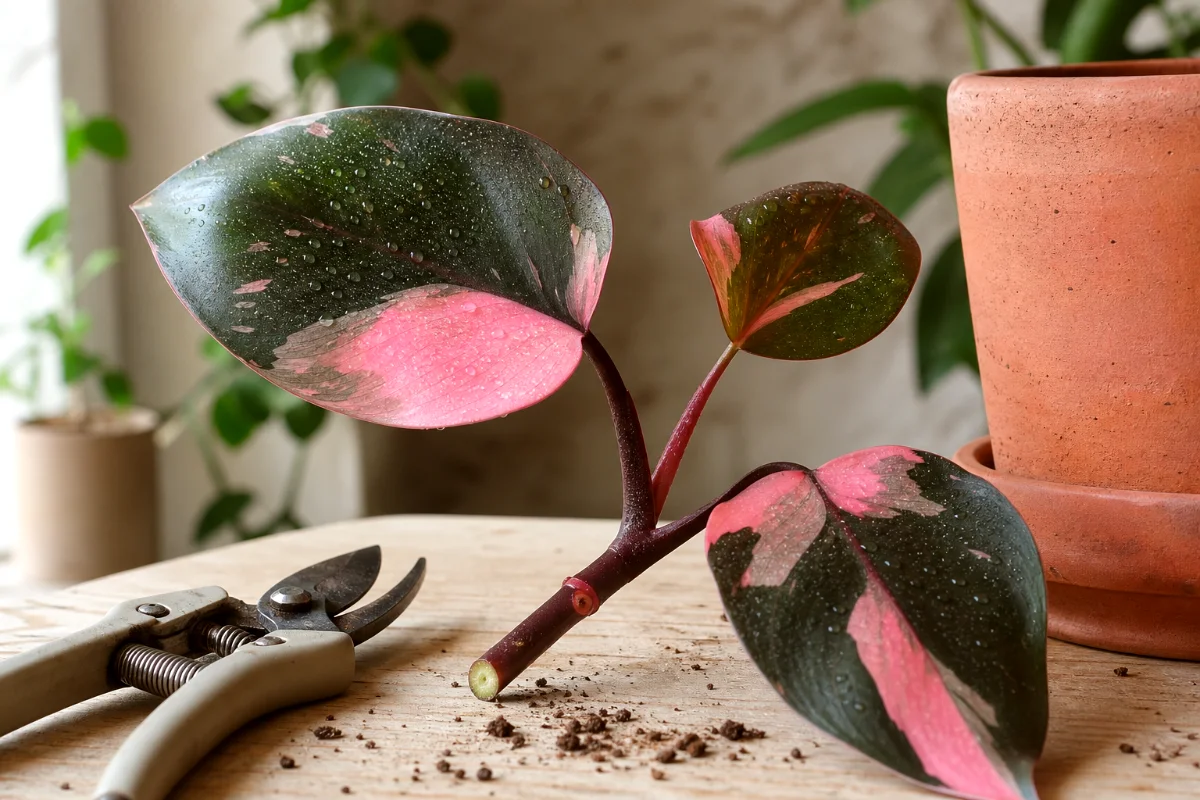
A Pink Princess Philodendron leaf can sit in water and look cute for weeks, but it won’t grow into a plant unless it has that little bump on the stem where roots and new growth can form. That’s the bit beginners miss, and it’s usually why propagation fails.
The good news? Once you can spot a node, this plant roots pretty nicely. Water and sphagnum moss both work well, and most healthy cuttings start showing roots in about 2 to 4 weeks when they get warmth, humidity, and bright indirect light.
What You Need Before You Cut
Don’t overcomplicate this. Pink Princess Philodendron propagation doesn’t require a lab setup or fancy gear.
Gather these first:
- Clean pruning shears or sharp scissors
- A healthy Pink Princess Philodendron with at least one strong stem
- A clear jar for water propagation, or damp sphagnum moss
- A small pot with drainage holes
- Well-draining potting mix
- Optional clear plastic bag or propagation dome for extra humidity
Clean tools matter. A fresh cut gives bacteria an easy doorway into the stem, so wipe your shears with rubbing alcohol before you start.
How to Spot the Node on a Pink Princess Philodendron
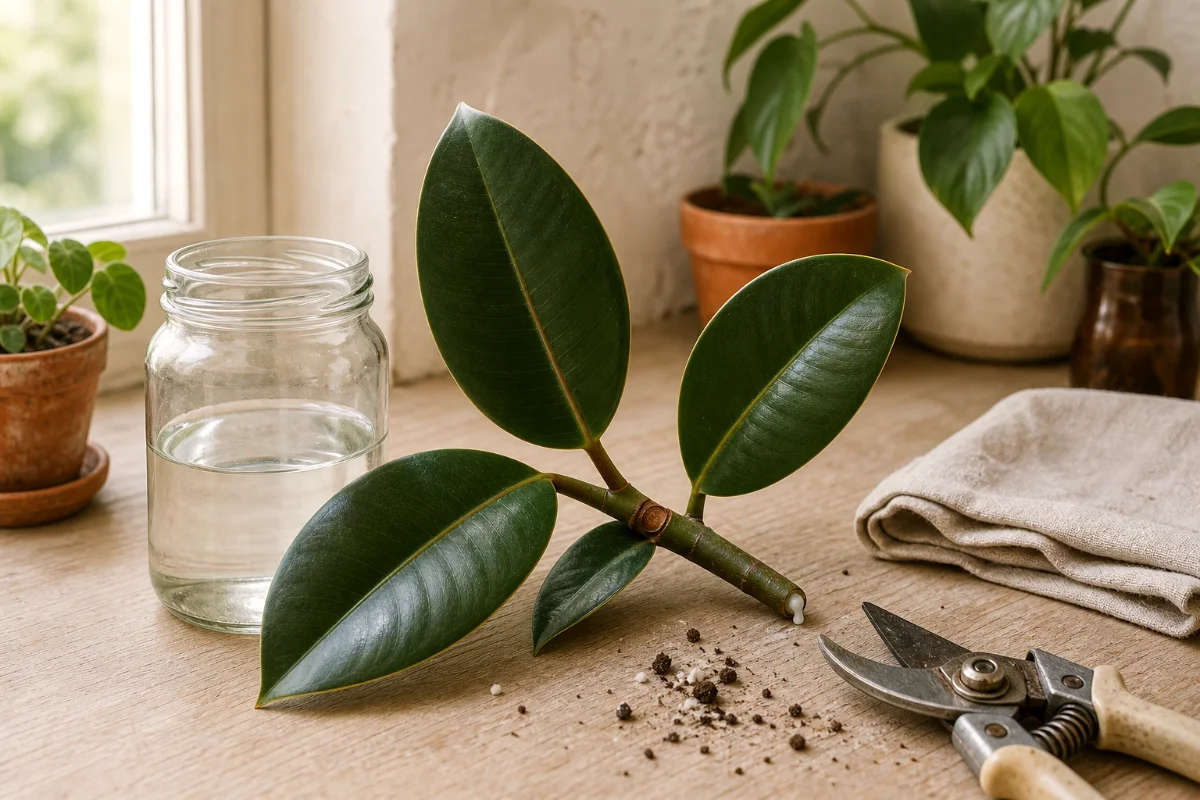
The node is the small bump or raised ring on the stem where a leaf, aerial root, or new shoot can grow. On Pink Princess Philodendron, it often sits right below where the leaf stem meets the main vine.
Look closely. It may look like a little knuckle.
You want each cutting to have:
- At least one node
- One or two leaves if possible
- A healthy section of stem
- Some pink variegation, but not an all-pink leaf if you can avoid it
That last point matters more than people think. All-pink growth looks gorgeous, but it lacks enough green tissue to feed the plant well. I like a cutting with a bold splash of pink and plenty of deep green. Pretty and practical.
The Best Time to Propagate Pink Princess Philodendron
Spring and summer give you the fastest results. The plant grows actively then, so cuttings root with less fuss.
You can propagate in fall or winter, but expect slower rooting. Sometimes much slower. If your house runs cool and dim in winter, wait unless you have a warm spot and a grow light.
Step-by-Step: How to Propagate Pink Princess Philodendron
Step 1: Choose a Healthy Stem
Pick a stem that looks firm, plump, and actively growing. Skip yellowing stems, mushy sections, pest-damaged leaves, or weak floppy growth.
And don’t take the tiniest tip just because you’re nervous. A slightly stronger cutting gives you a better chance.
Step 2: Cut Just Below a Node
Use clean shears and cut just below the node. Leave a small bit of stem beneath it, but don’t leave a long bare tail that may rot.
A good cutting has one to two leaves and at least one node. If your vine is long, you can make several cuttings, as long as each piece has its own node.
Step 3: Let the Cutting Callus for 12 to 24 Hours
Lay the cutting on a clean paper towel or dry saucer for 12 to 24 hours. This lets the cut end seal a bit.
It feels like an extra step. Do it anyway.
A short callus period helps reduce rot, especially if you’re rooting in water. The cutting still needs moisture soon, so don’t leave it drying for days.
Step 4: Choose Water or Moss
Water and moss are the two most reliable methods for beginners. I use both, but for different reasons.
Water lets you see the roots, which is great when you’re learning. Moss gives the cutting more air around the node, and that can mean stronger roots with less shock later.
Water Propagation Method
Water propagation is the easiest method to watch. It also teaches you what healthy roots look like.
How to Root Pink Princess Philodendron in Water
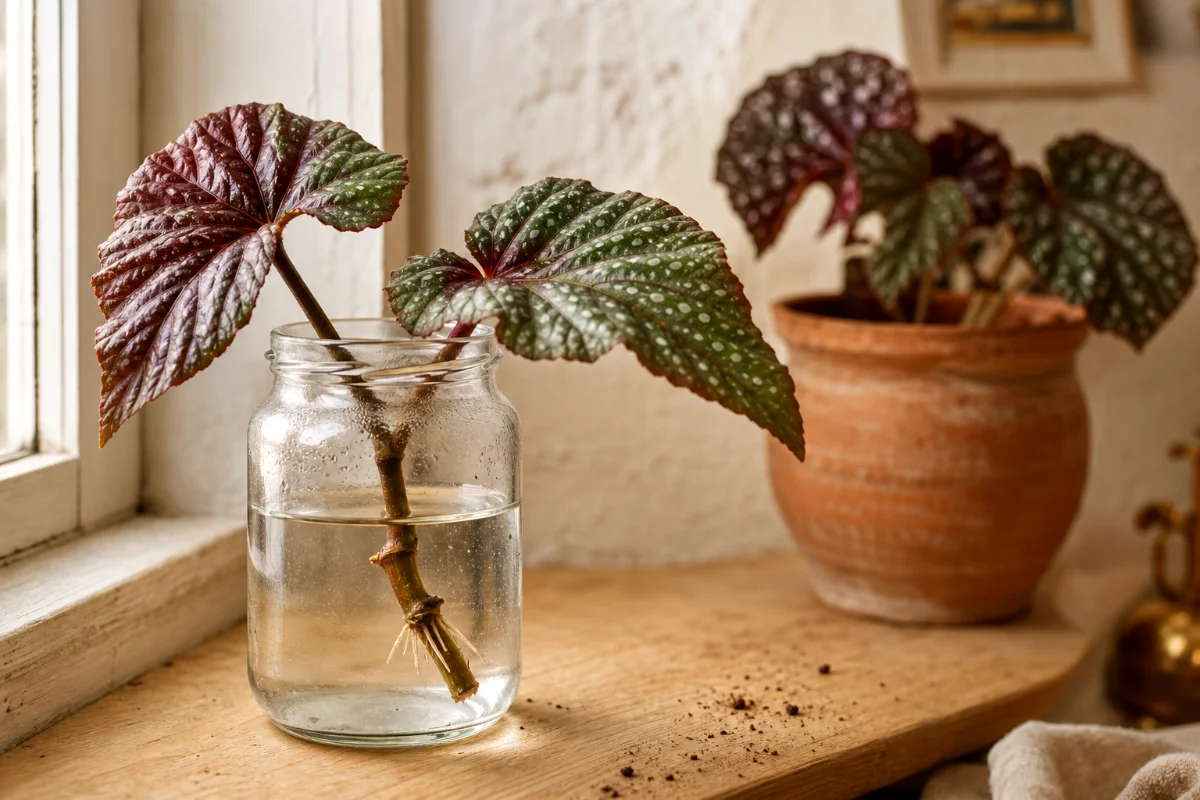
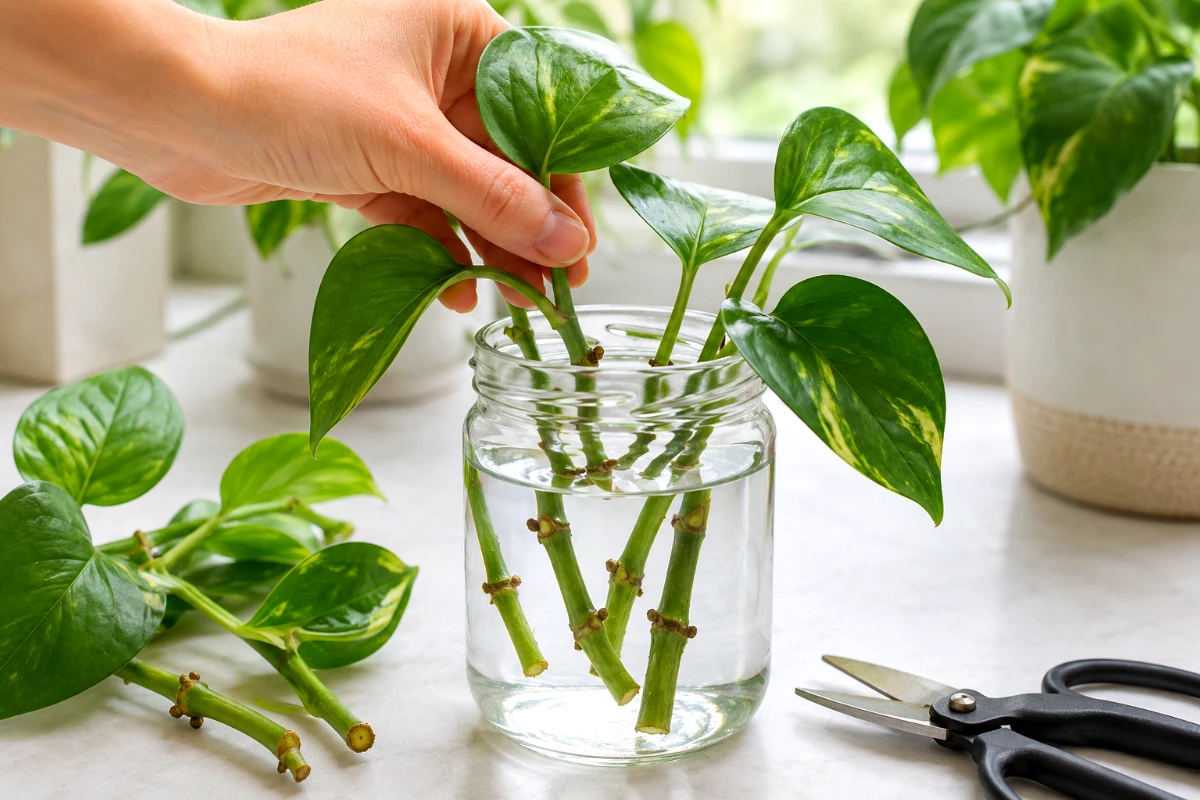
- Fill a clean glass jar with room-temperature water.
- Place the cutting so the node sits under the water.
- Keep the leaves above the water line.
- Set the jar in bright, indirect light.
- Change the water once a week, or sooner if it turns cloudy.
Don’t put the jar in direct sun. Glass heats up fast, and cooked cuttings are not coming back.
If the stem gets slimy, rinse it gently and refresh the water. If the cut end turns black and mushy, trim back to firm tissue, let it callus again, and restart.
Sphagnum Moss Propagation Method
Moss propagation feels a touch more advanced, but it’s still beginner-friendly. The trick is moisture control.
You want damp moss, not swamp moss.
How to Root Pink Princess Philodendron in Moss
- Soak sphagnum moss, then squeeze it until it feels like a wrung-out sponge.
- Place the node against the moss so it stays in contact with moisture.
- Use a small clear container if you want to watch root growth.
- Cover loosely with a clear bag or lid for humidity.
- Open the cover every day or two for fresh air.
Moss works well because it holds moisture while still allowing air around the node. Roots need oxygen. That’s why a soggy, packed clump can backfire.
If you smell mustiness, open the container more often. If the moss dries crisp, mist it lightly or rehydrate it with a small splash of water.
The Right Light, Warmth, and Humidity
Pink Princess cuttings root best in bright, indirect light. Think near a window, but not pressed against hot glass.
Warmth helps too. Aim for normal cozy room temperatures, roughly 70 to 80 degrees Fahrenheit if you can manage it. Cold rooms slow root growth and make rot more likely.
Humidity gives cuttings a softer landing. They don’t have strong roots yet, so leaves lose water faster than the stem can replace it.
Try one of these simple humidity boosts:
- Place a clear plastic bag loosely over the cutting
- Use a clear storage bin as a mini greenhouse
- Group it near other houseplants
- Use damp moss instead of plain water if your air runs dry
But don’t seal it up and forget it. Stale wet air invites mold. Give it a little fresh air every day or two.
When to Pot Your Rooted Cutting
Move your cutting to soil when the roots reach about 1 to 2 inches long. Short roots struggle in soil. Very long water roots can tangle and break.
Use a small pot. Really.
A tiny cutting in a big pot stays wet for too long, and Pink Princess roots hate that. Choose a pot only slightly larger than the root ball.
Best Soil Mix for a New Pink Princess Cutting
Use a loose, well-draining mix. A simple beginner blend works fine:
- Two parts quality indoor potting mix
- One part orchid bark
- One part perlite or pumice
This mix holds enough moisture without suffocating roots. The bark adds chunky air pockets, and perlite helps water move through the pot instead of sitting around the roots.
How to Pot the Cutting
- Fill a small pot partway with soil mix.
- Set the rooted cutting in place gently.
- Cover the roots with mix and firm it lightly.
- Water until moisture runs from the drainage holes.
- Keep it in bright, indirect light while it adjusts.
For the first week, keep the soil lightly moist. Not soaked. The roots are changing from water or moss to soil, and they need steady care while they settle.
How to Encourage Better Pink Variegation
You can’t force perfect pink leaves from a cutting. Genetics and light both play a part.
Still, you can stack the odds in your favor.
- Take cuttings from a parent plant that already shows good pink variegation
- Choose stems with a balance of green and pink
- Give the new plant bright, indirect light
- Avoid low light, which often leads to greener growth
- Avoid harsh direct sun, which can burn pale pink tissue
Here’s my honest take: the prettiest cutting isn’t always the strongest cutting. A leaf that’s half pink and half green usually roots and grows better than a leaf that’s almost fully pink.
Common Problems and Easy Fixes
The Cutting Isn’t Growing Roots
First, check for a node. If there’s no node, it won’t become a plant.
If it has a node, give it time. Some cuttings take longer than four weeks, especially in cool rooms or low light.
The Stem Is Turning Mushy
Mush usually means rot. Trim back to firm, healthy tissue with clean shears, let the cutting callus, and restart in fresh water or barely damp moss.
Also check your setup. Too much water, dirty jars, cold temperatures, and stale air all make rot more likely.
The Leaf Is Drooping
Some droop is normal after cutting. The plant just lost its root system.
Raise humidity, keep it warm, and avoid direct sun. If the stem stays firm, don’t panic.
The New Growth Has No Pink
Give it brighter indirect light and be patient. Young leaves often change as they harden off.
If several new leaves come in fully green, the plant may be reverting. You can prune back to a more variegated node later, but let the new plant get stronger first.
Beginner Mistakes I See All the Time
- Trying to root a leaf with no node: It may stay fresh, but it won’t grow into a plant.
- Using a pot that’s too large: Extra soil holds extra water, and that invites root rot.
- Putting cuttings in direct sun: Bright shade beats hot sun every time.
- Keeping moss too wet: Damp is good. Sopping wet is trouble.
- Skipping the callus period: That short dry rest helps protect the fresh cut.
FAQ About Pink Princess Philodendron Propagation
Can you propagate Pink Princess Philodendron from a single leaf?
Only if that leaf includes a node and a small piece of stem. A leaf by itself won’t grow into a full plant.
How long does Pink Princess Philodendron take to root?
Most healthy cuttings root in 2 to 4 weeks. Cooler temperatures, low light, or weak cuttings can take longer.
Is water or moss better for Pink Princess propagation?
Water is easier for beginners because you can see the roots. Moss often grows sturdy roots and can make the move to soil smoother. Both work when you keep the node moist, warm, and out of direct sun.
Should I use rooting hormone?
You can, but you don’t need it. A healthy node, clean cut, warmth, and humidity matter more for most home growers.
When should I remove the humidity cover?
Start venting more once roots form. After potting, open the cover a bit more each day for about a week so the plant adjusts to normal room air.
Can I propagate a leggy Pink Princess Philodendron?
Yes. In fact, propagation is a smart way to fix a leggy plant. Cut the vine into node sections, root the cuttings, and later pot a few together for a fuller plant.