How to Propagate Cast Iron Plant by Rhizomes Splitting

If you want to know how to propagate cast iron plant, here’s the straight answer: divide the root ball.
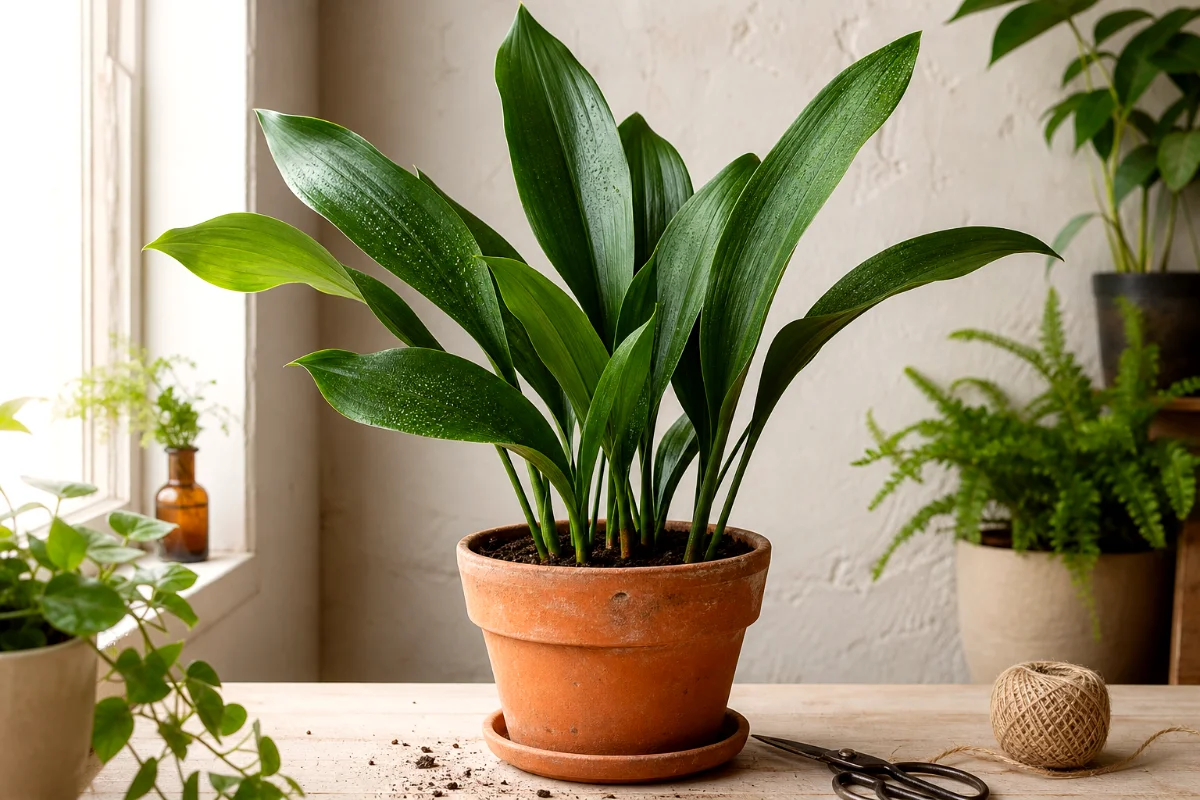
Cast iron plant, or Aspidistra elatior, doesn’t root from single leaf cuttings like pothos or snake plant pieces sometimes do. It grows from thick underground stems called rhizomes. So you make new plants by splitting those rhizomes into healthy clumps.
Simple. But don’t rush it.
This plant earned its tough reputation, but it grows slowly. A careless split can set it back for months. A good division, though, gives you sturdy new plants that settle in with very little drama.
When to Propagate Cast Iron Plant
The best time to divide a cast iron plant is spring or early summer. The plant has warmer days, stronger light, and a full growing season ahead to repair roots and push new growth.
Can you divide it in fall? Sometimes. Should you? I usually wouldn’t, unless the pot has cracked, the roots are jammed tight, or you have no better choice.
Winter division is the one I avoid most. The plant rests, the soil dries more slowly, and cut roots heal at a snail’s pace.
How to Tell Your Cast Iron Plant Is Ready to Divide
You don’t need to divide this plant often. In fact, it prefers a slightly snug pot. A cast iron plant in a roomy container may sit there looking offended for a long while.
Look for these signs before you split it:
- The pot feels packed solid with roots and rhizomes.
- Water runs around the root ball instead of soaking in.
- Several strong leaf clusters grow from separate points.
- The plant has outgrown its spot or keeps tipping its pot.
- You want to share a piece with someone, and the mother plant is large enough to spare it.
Here’s my rule: if the plant has only a few leaves, leave it alone. Bigger divisions take better. Tiny bits sulk.
What You’ll Need
Gather everything before you pull the plant from its pot. Roots dry out faster than beginners expect, and nobody wants to hunt for scissors with a half-bare plant on the kitchen floor.
- A clean, sharp knife or garden shears
- Fresh, well-draining potting mix
- New pots with drainage holes
- A small trowel or scoop
- Water at room temperature
- Old newspaper, a tray, or a cloth to catch soil
- Rubbing alcohol to clean your blade
Use pots that fit the divisions, not pots that fit your dreams. A huge pot around a small division stays wet too long, and soggy rhizomes can rot.
The Best Soil for New Cast Iron Plant Divisions
Cast iron plants like a mix that holds a little moisture but still lets air reach the roots. That’s the trick.
A good beginner mix looks like this:
- 2 parts quality indoor potting mix
- 1 part perlite or pumice
- 1 part fine orchid bark or coco chips
This blend drains better than plain bagged soil. The perlite or pumice keeps air pockets open. The bark adds texture. The potting mix holds enough moisture so the new roots don’t dry to a crisp.
If you only have regular potting soil, add extra perlite. Don’t use heavy garden soil in a pot. It compacts, stays wet, and turns root work into a muddy mess.
Steps to Propagate Cast Iron Plant by Division
1. Water the Plant the Day Before
Water the plant lightly the day before you divide it. Moist roots bend better than bone-dry roots.
Don’t soak it until it’s dripping wet. You want a workable root ball, not a swamp cake.
2. Slide the Plant Out of Its Pot
Tip the pot on its side and support the base of the plant with one hand. Tap the sides of the pot, then ease the root ball out.
If the plant refuses to budge, run a blunt knife around the inside edge of the pot. And be patient. Yanking can snap leaves and tear roots you meant to keep.
3. Remove Enough Soil to See the Rhizomes
Gently shake off loose soil. If the mix has packed hard around the roots, rinse some away with a soft stream of water.
You don’t need to clean every root. You just need to see the thick rhizomes and natural clumps.
4. Find the Natural Separations
Look for places where the plant already wants to split. Cast iron plants often form clumps with thick white to tan roots and firm rhizomes linking leaf groups.
Good divisions usually have their own cluster of leaves and roots. Bad divisions look like lonely scraps.
5. Cut the Rhizomes Into Strong Sections
Clean your blade with rubbing alcohol, then cut between clumps. Use a firm, confident cut.
Each new section should have at least two leaves, though I prefer three or more. It should also have a healthy root system, not just one sad root dangling from a rhizome.
But don’t chop the plant into too many pieces. This is where people get greedy. A large division has stored energy, more roots, and a much better chance of bouncing back.
6. Pot Each Division at the Same Depth
Add fresh mix to the bottom of the new pot. Set the division so the rhizome sits at the same depth it grew before.
Backfill around the roots and press the soil lightly with your fingers. Firm is fine. Packed tight is not.
Leave a little space at the top of the pot so water doesn’t run over the rim.
7. Water Once, Then Let It Breathe
Water the new division until moisture runs from the drainage hole. This settles the soil around the roots.
After that, let the top inch of mix dry before watering again. New divisions don’t drink as fast as established plants, so overwatering causes more trouble than underwatering.
Aftercare for New Cast Iron Plant Divisions
Place your new plants in bright indirect light or gentle shade. Direct sun can scorch leaves, especially while the roots recover.
Keep the soil lightly moist, not wet. I know that sounds like gardener code, so here’s a better way to think about it: the mix should feel like a wrung-out sponge, never like cold pudding.
Skip fertilizer until you see new growth. Usually that takes a few weeks, but cast iron plants don’t care about your calendar. Sometimes they take longer.
Once you see a fresh leaf spear or steady growth, feed with a diluted houseplant fertilizer during the growing season. Half strength is plenty.
Why Leaf Cuttings Don’t Work
This question comes up all the time. Can you cut a cast iron plant leaf and root it in water?
No. Not in any useful way.
A leaf may sit in water and stay green for a while, which fools people. But it won’t make a new cast iron plant because it doesn’t include the rhizome tissue that produces new shoots and roots.
For real propagation, you need a piece of the crown or rhizome. No rhizome, no new plant.
Common Mistakes That Slow Everything Down
Dividing Into Pieces That Are Too Small
Small divisions look tidy in tiny pots, but they struggle. They have fewer roots, less stored energy, and fewer leaves to feed the plant.
If you want faster recovery, keep divisions generous.
Using a Pot That’s Too Big
A small division in a big pot often sits in wet soil for too long. Roots need oxygen as much as water.
Choose a pot only slightly wider than the root mass. You can size up later when the plant earns it.
Putting It in Direct Sun
Cast iron plant tolerates low light, but direct afternoon sun can bleach or burn the leaves. New divisions handle stress poorly, so give them calm, filtered light.
Feeding Too Soon
Fertilizer doesn’t fix root stress. It can even irritate tender cut roots.
Wait for new growth. Then feed lightly.
Keeping the Soil Wet
Fresh divisions need moisture, yes. They don’t need a bog.
If the pot feels heavy and the top of the soil stays damp for days, hold off. Let air back into the root zone.
How Long Until a Divided Cast Iron Plant Looks Full Again?
Set your expectations low, and you’ll be happier.
Cast iron plants grow slowly. A division may take several weeks just to settle. It may take a full season, sometimes more, to look lush again.
That doesn’t mean you failed. This plant moves at old-house speed. Quiet. Steady. No theatrics.
Can You Propagate Cast Iron Plant in Water?
You can rinse roots in water during division, but you shouldn’t grow cast iron plant divisions in water long term.
The thick rhizomes and roots prefer an airy potting mix. Sitting in water raises the risk of rot, especially if the cut ends haven’t healed well.
Use water for cleaning, not as a propagation home.
Can You Divide Outdoor Cast Iron Plants?
Yes, if you grow cast iron plant outdoors in a mild climate, you can divide clumps in the garden.
Dig around the clump with a spade, lift a section with roots attached, then replant it in a shady spot with loose, amended soil. Water it in well and keep the soil gently moist while it settles.
Outdoor plants often have larger root systems, so don’t be shy about using a sharp spade. Just make sure every piece has leaves and roots.
FAQ
What is the easiest way to propagate cast iron plant?
The easiest way is division. Remove the plant from its pot, split the rhizomes into clumps with leaves and roots, then pot each clump in fresh, well-draining mix.
How many leaves should each division have?
Each division should have at least two leaves. Three or more gives you a stronger start and a fuller-looking plant.
Should I fertilize after dividing?
No, not right away. Wait until new growth appears, then feed lightly during the growing season.
Why is my divided cast iron plant drooping?
Drooping often comes from root disturbance, dry soil, or soil that stays too wet. Keep it in indirect light and check moisture before watering again.
How often should I water a new division?
Water when the top inch of soil feels dry. In lower light, that may take longer than you expect.
Can I propagate a single cast iron plant leaf?
No. A single leaf won’t grow into a new plant. You need a piece of rhizome with roots and leaves attached.