47+ Types of Succulent Plants – Low Maintenance Indoor & Outdoor Beauties

Succulents come in many shapes and sizes, and as generally low-maintenance plants, they’re a favorite of gardeners around the world.
Some succulents are better adapted to be grown indoors; others do much better outdoors. The outdoorsy types will also have a better tolerance to low temperatures or even freezing temperatures.
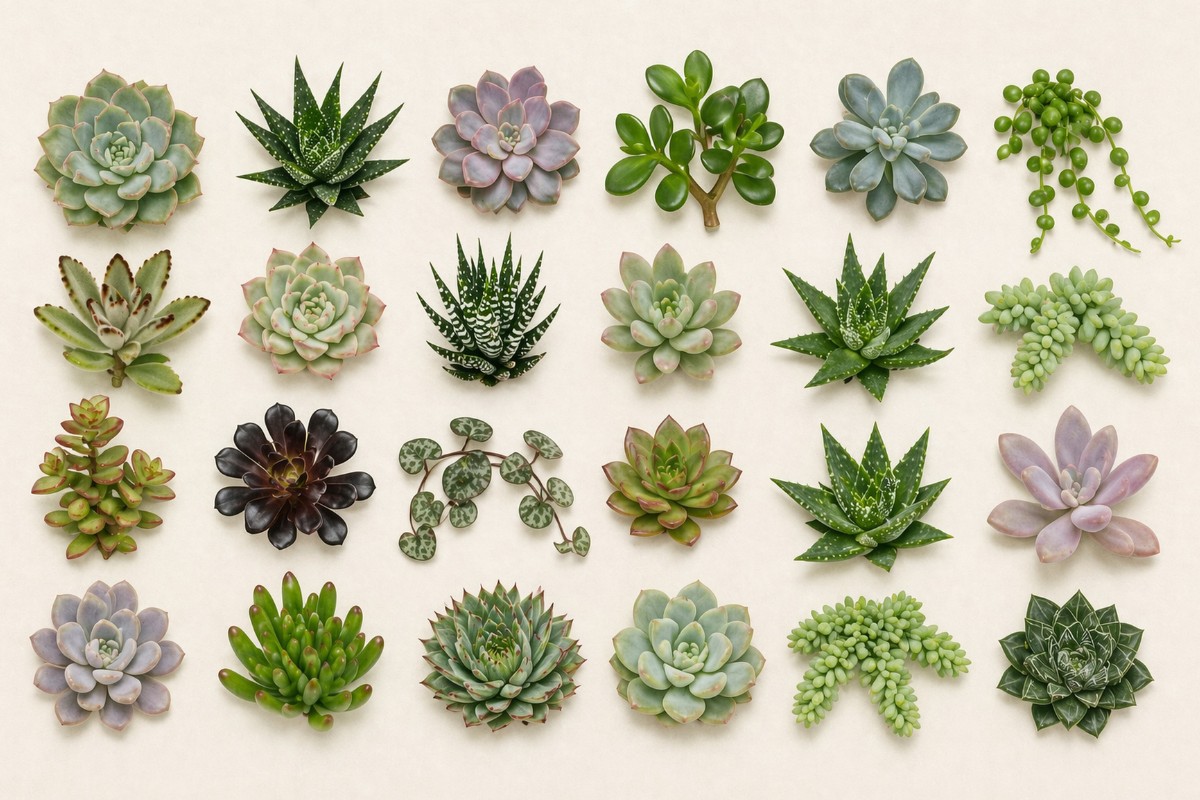
Below, I’ve put together a list of the 20 most popular types of succulent plants with a short description of each.
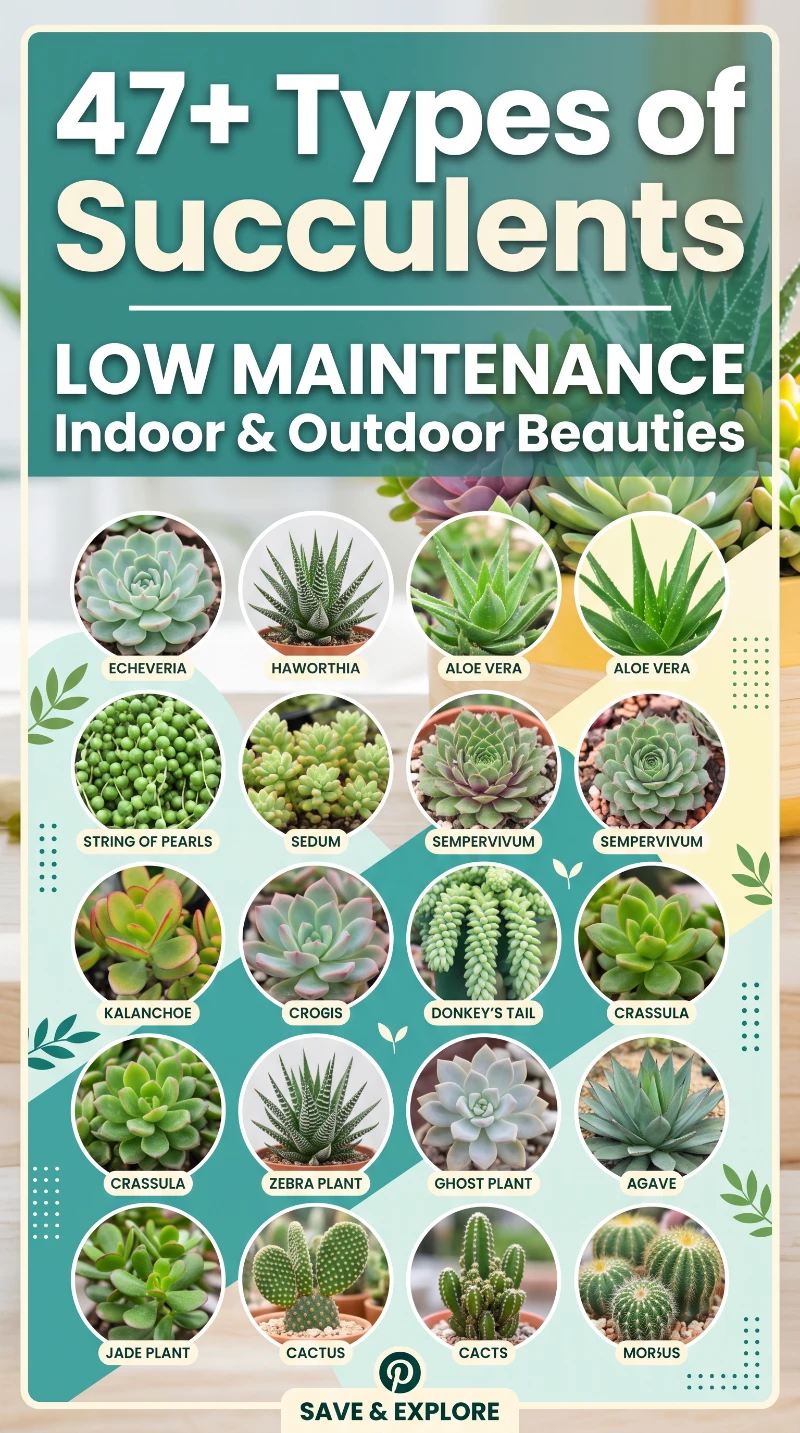
Indoor Succulents
Even though most succulents will require some level of daily direct sun exposure, many of the succulents in this list can also tolerate and grow in low light conditions.
Jade Plant (Crassula ovata)
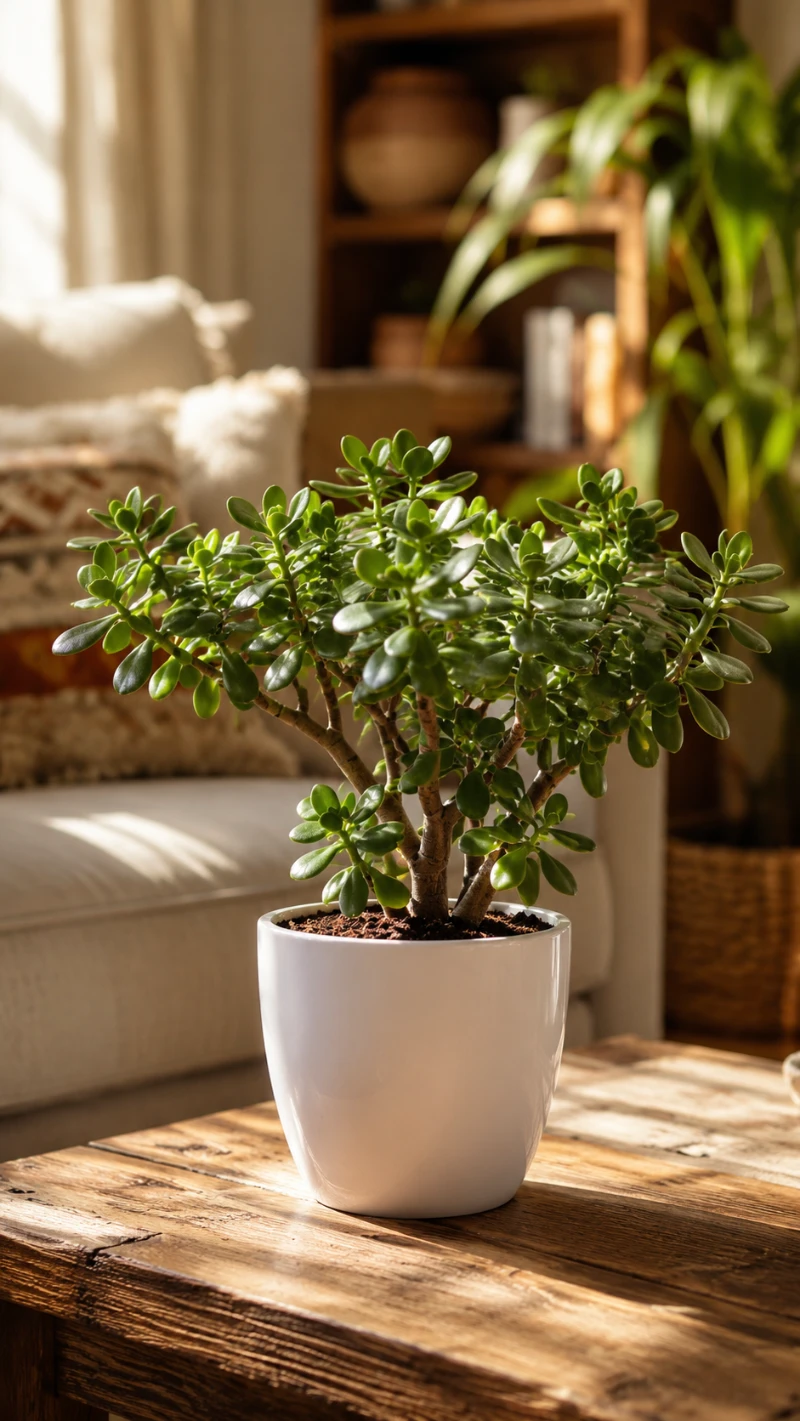
This plant has the look of a miniature tree and makes for a good alternative to bonsai trees. It’s a succulent that thrives indoors provided that it gets a few hours of sunshine per day.
Jade plants are easy to grow, enjoy room temperature between 60 F and 75 F. Temperatures below 50 F are not tolerated, so when winter comes, make sure that the plant is guarded from cold drafts and kept away from cold windows.
If you’re lucky, you may even see your jade plant produce lovely, star-shaped white or pink blooms during winter.
Aloe Vera
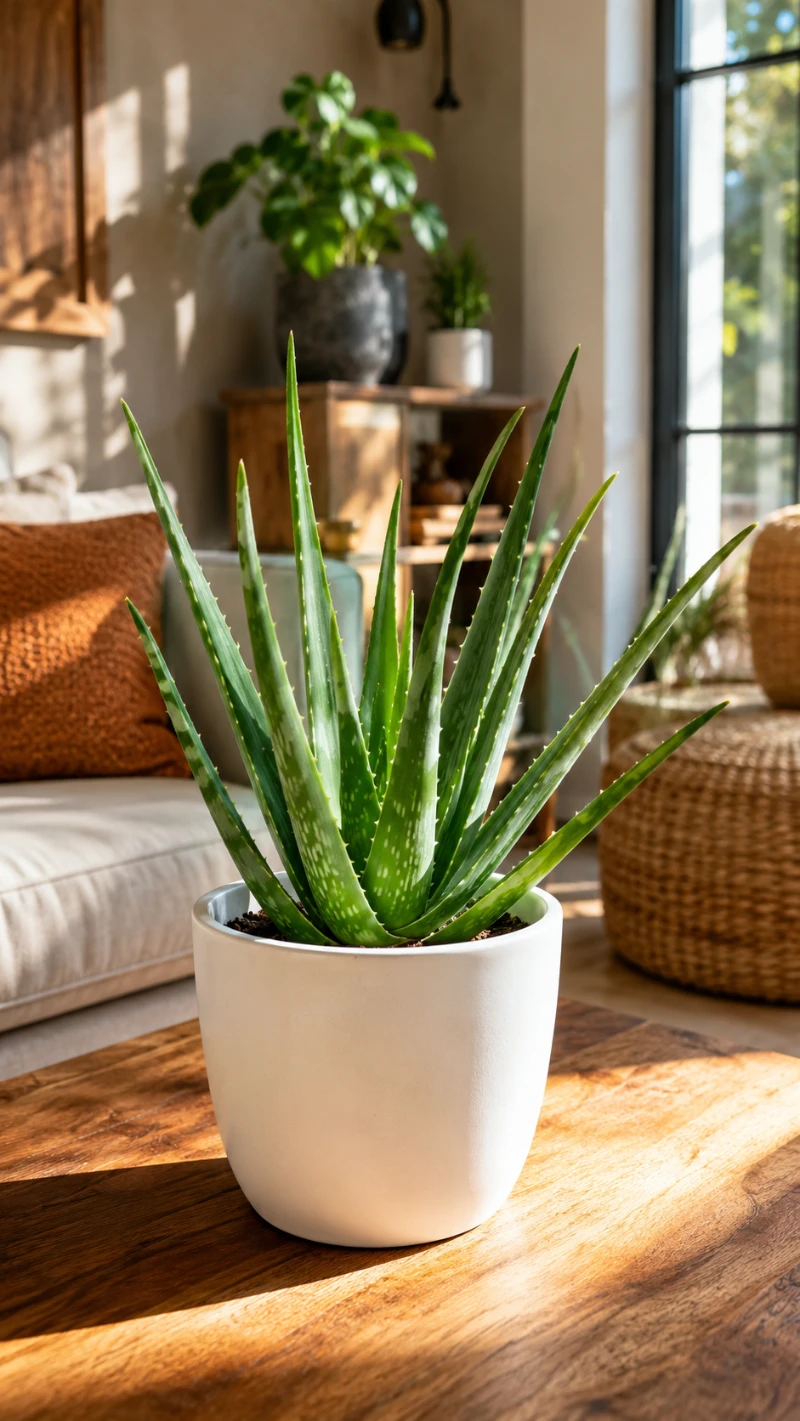
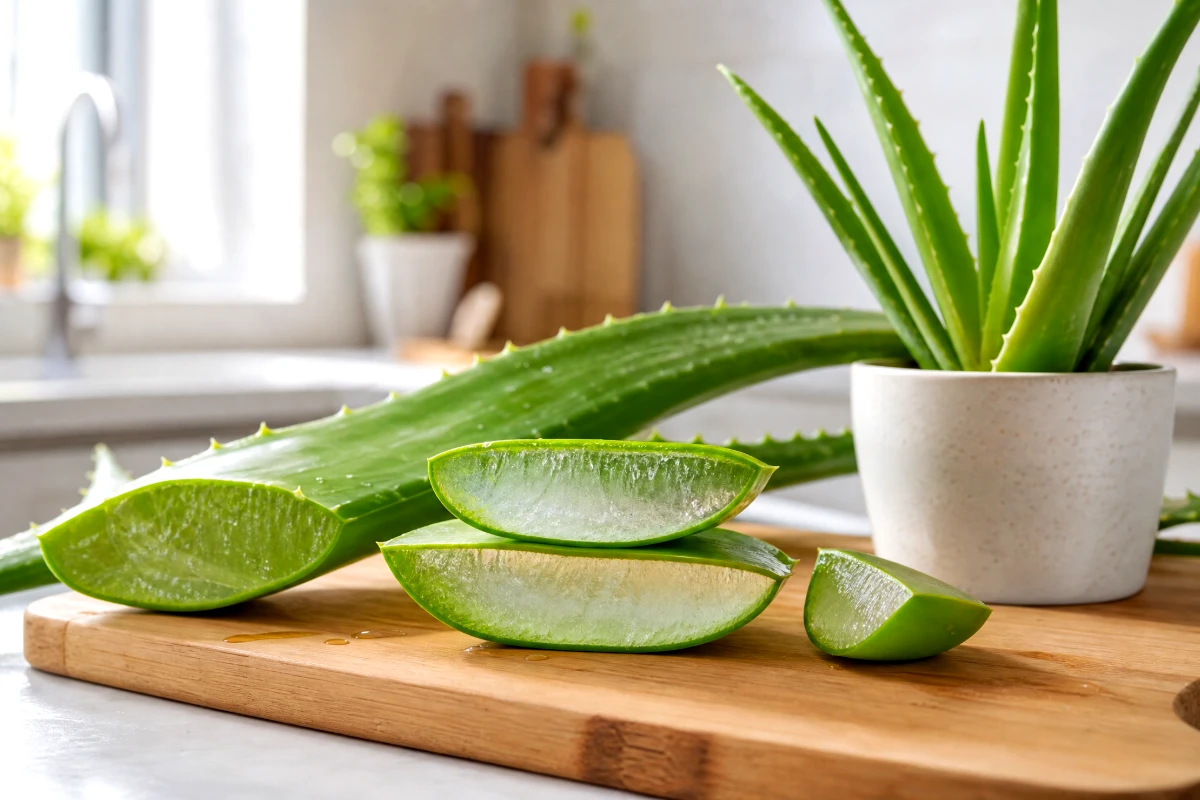
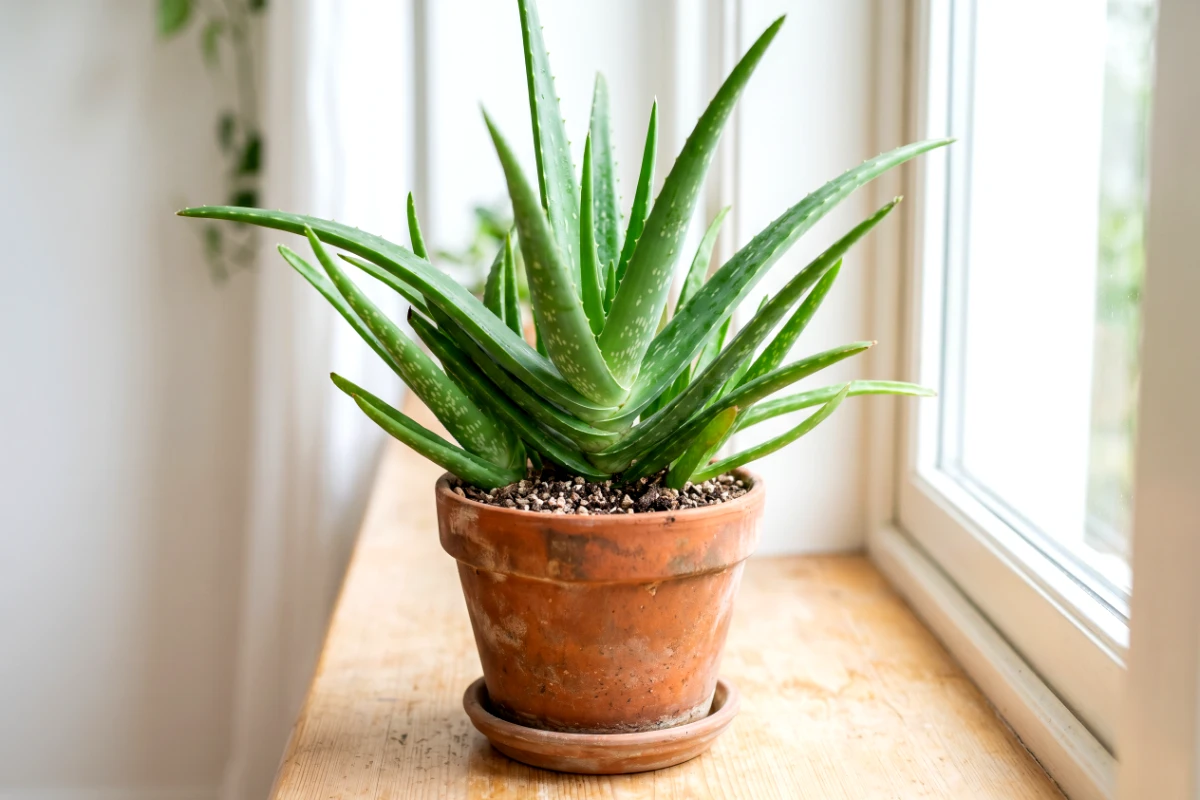
Aloe vera plants are not only attractive indoor succulents, but they’re also known for their medical and cosmetic benefits such as treating scrapes and burns.
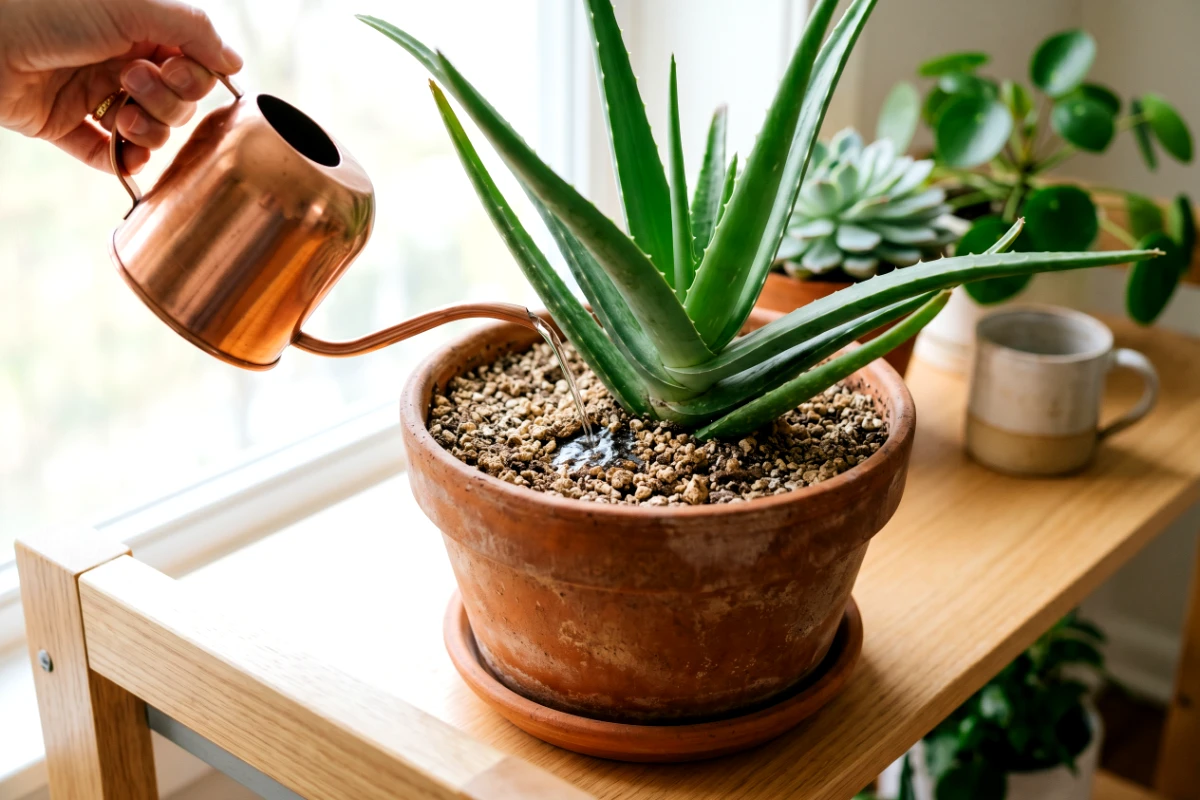
The plant does best if it gets lots of light, but it will tolerate some light shade as well. My trick to growing aloe vera plants indoors is to find the brightest spot for it in my home.
I also keep it outside during the summer and take it back in only in the fall, when temperatures start to get close to 60 F.
Zebra Plant (Fasciated Haworthia)
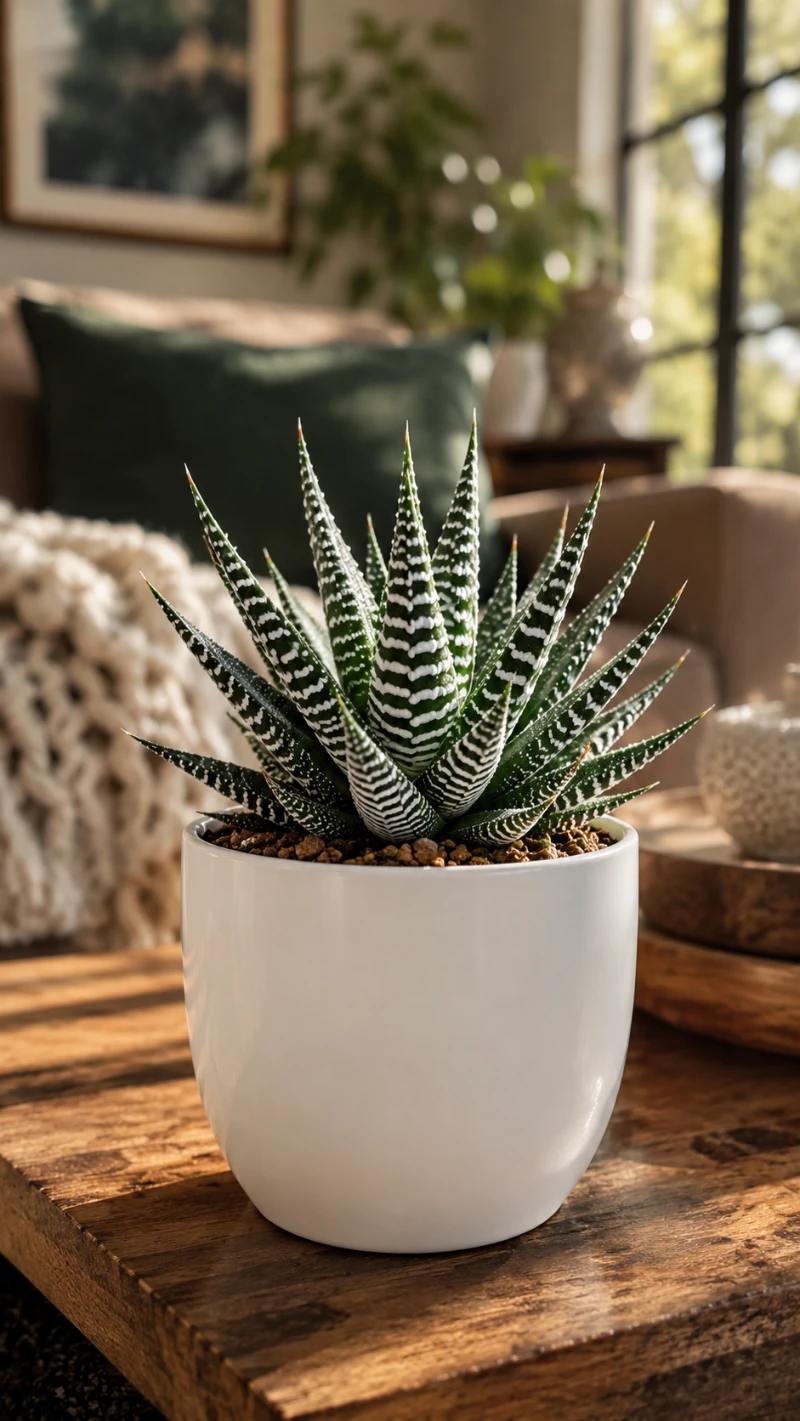
The zebra plant is a small-growing succulent that features white or silvery bands on its fleshy green leaves. If you know how to make aloe vera plants happy, you’ll know how to grow fasciated haworthias as well.
Although these plants require bright light, they’re not keen on direct sun exposure, which makes them a perfect candidate for indoor growing.
Not tolerant of humidity or low temperatures, they like to be kept in well-ventilated rooms and should be watered thoroughly but allow the soil to dry before the next watering.
Panda Plant
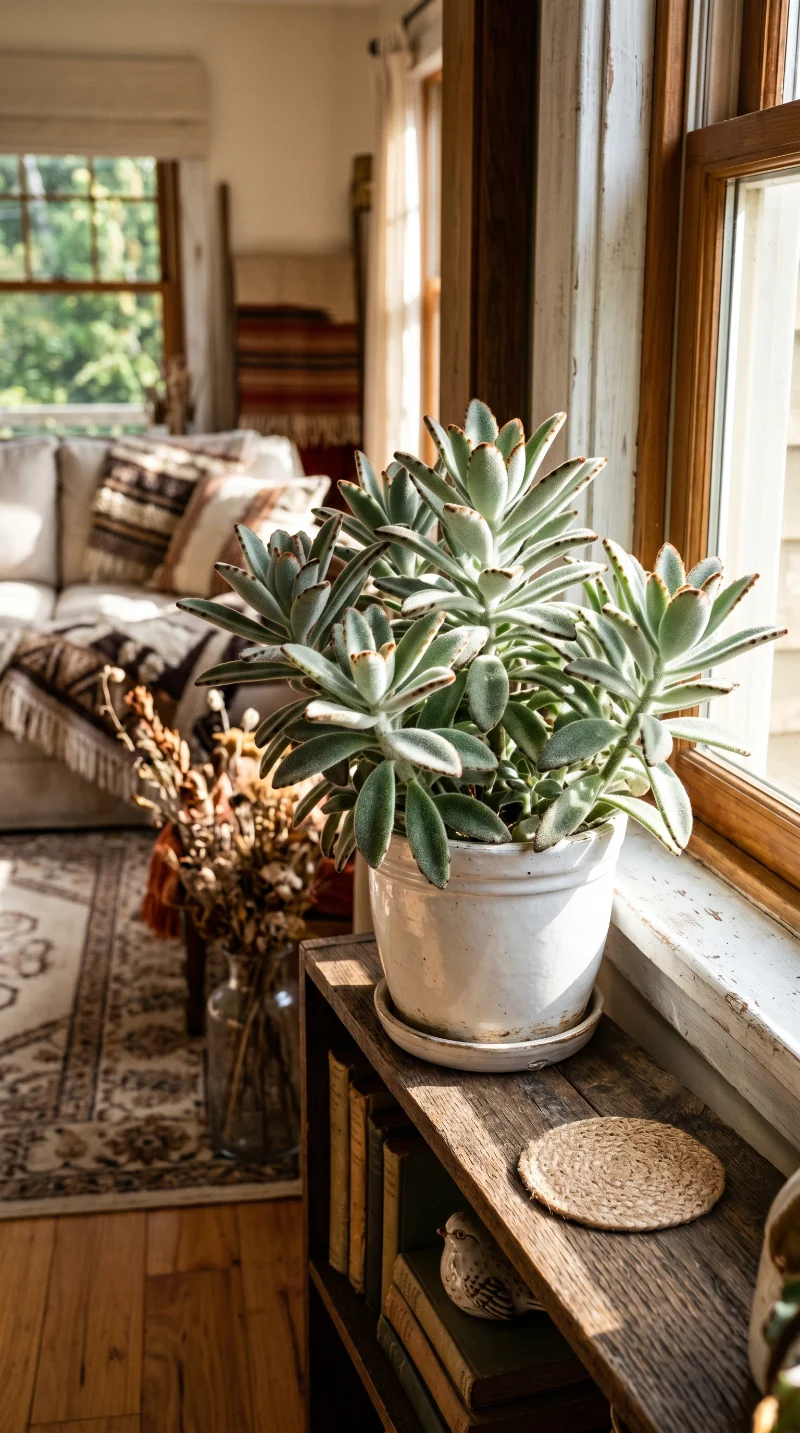
If you like succulents but you’re looking for something unique, the panda plant is certainly out of the ordinary in that it has fuzzy leaves that are reminiscent of the soft, fuzzy coat of pandas.
The tips of the leaves feature red-brownish markings, which make this succulent stand out even more.
Panda plants can live indoors for a long time. Although it can flower if all its requirements are met, it rarely does when kept indoors.
Echeveria
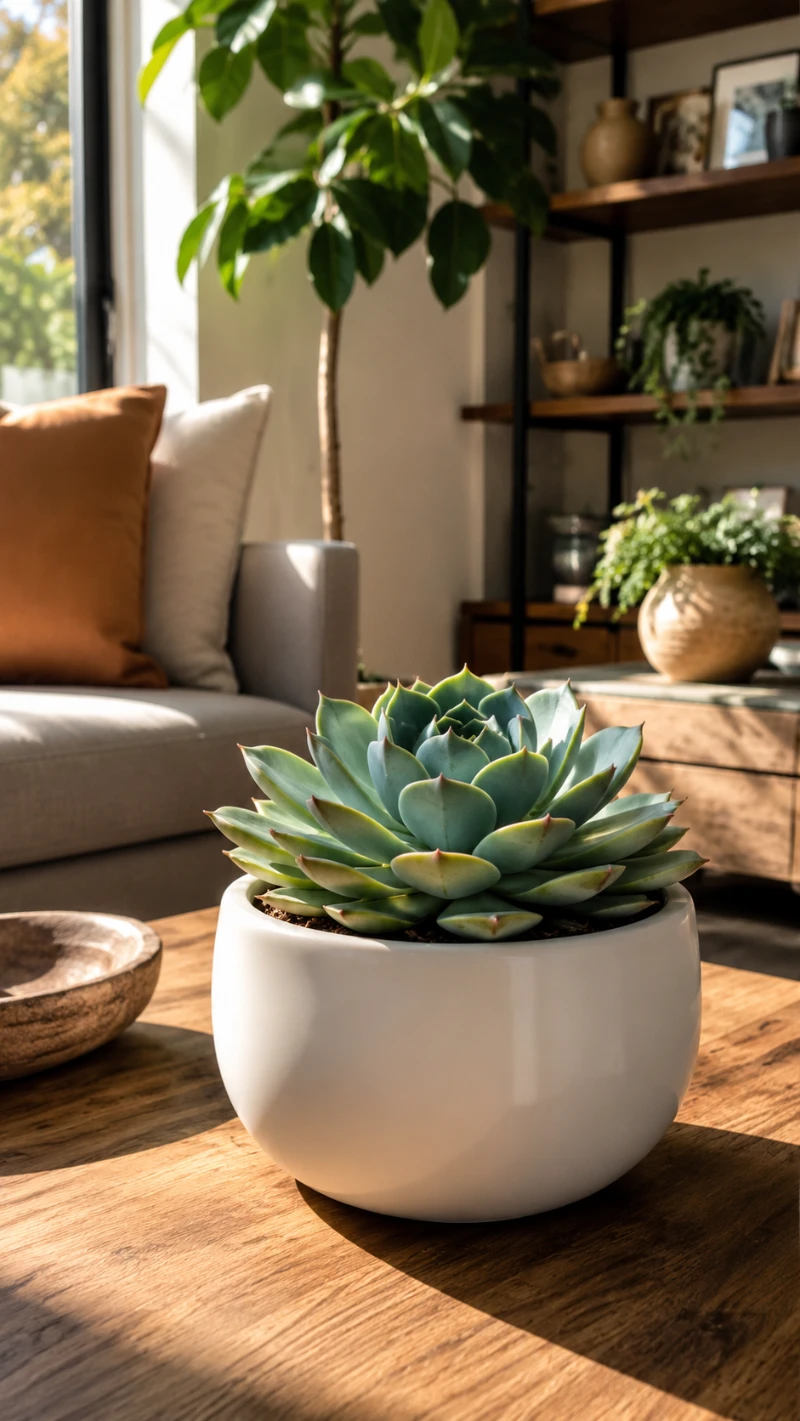
Echeverias feature waxy, thick-leaved rosettes that are compact and stay low to the ground, unless they don’t get enough light, in which case they get leggy and elongated.
Less fuzzy than the panda plant, the Echeveria pulvinata variety also features white hairs that give the plant a shimmering look in the sun, earning them the plush plant name. More on this variety in the section dedicated to outdoor succulents.
Keeping echeverias outside during the summer, in direct sunlight, will help the plant thrive. When kept indoors, place them in a bright spot, so that they don’t miss out on much needed sunlight.
Snake Plant
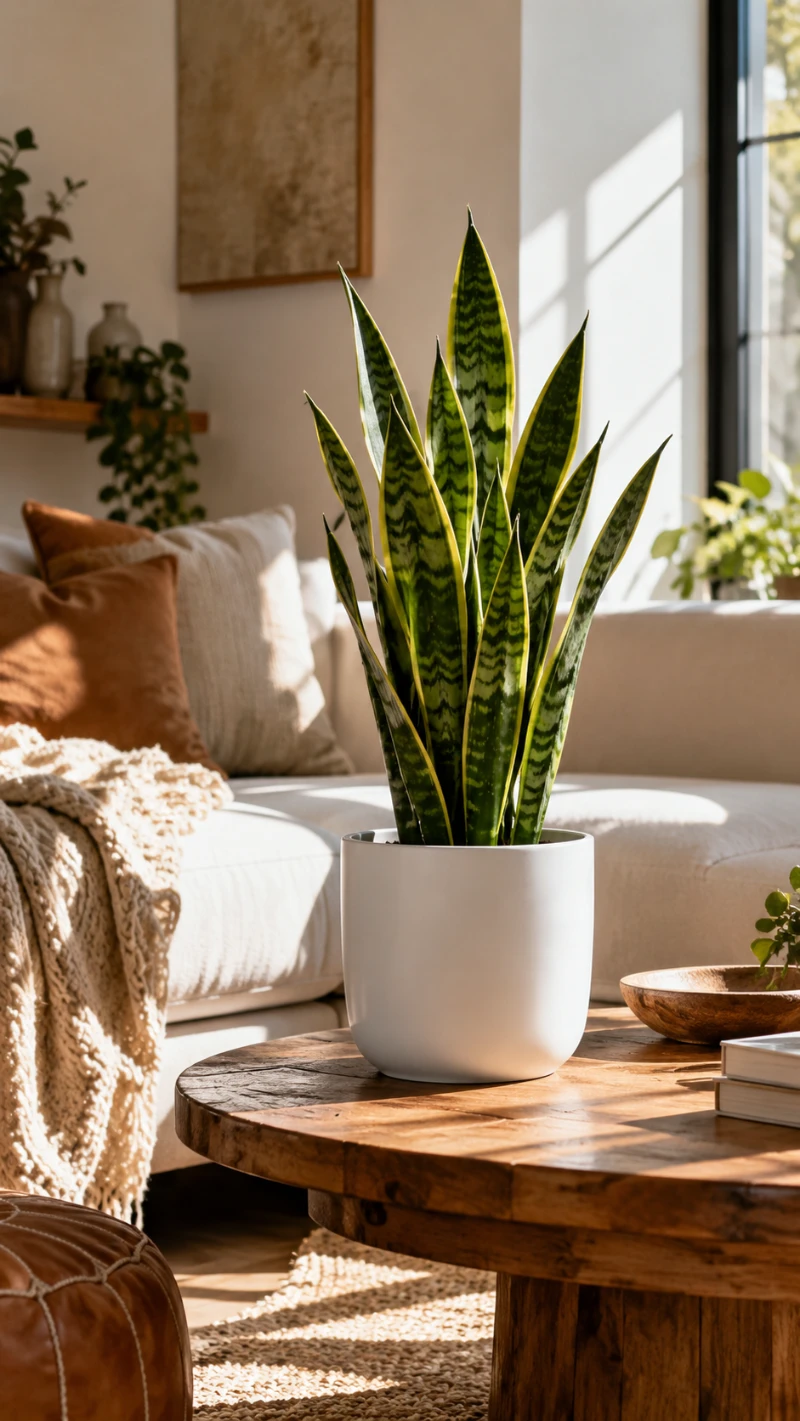
If you’re looking for a succulent that is easy to cultivate, tolerates low light conditions, and even a bit of neglect here and there, then the snake plant is a succulent that ticks off all these requirements.
It’s one of the hardiest indoor succulents you’ll find and remains fresh-looking and elegant even if you miss a few watering sessions.
It comes in different shades of green and features long, variegated leaves that confer the plant an air of elegance.
Snake plants are also known for their air-purifying capabilities, so they’re great to have around in your home.
Graptoveria Opalina
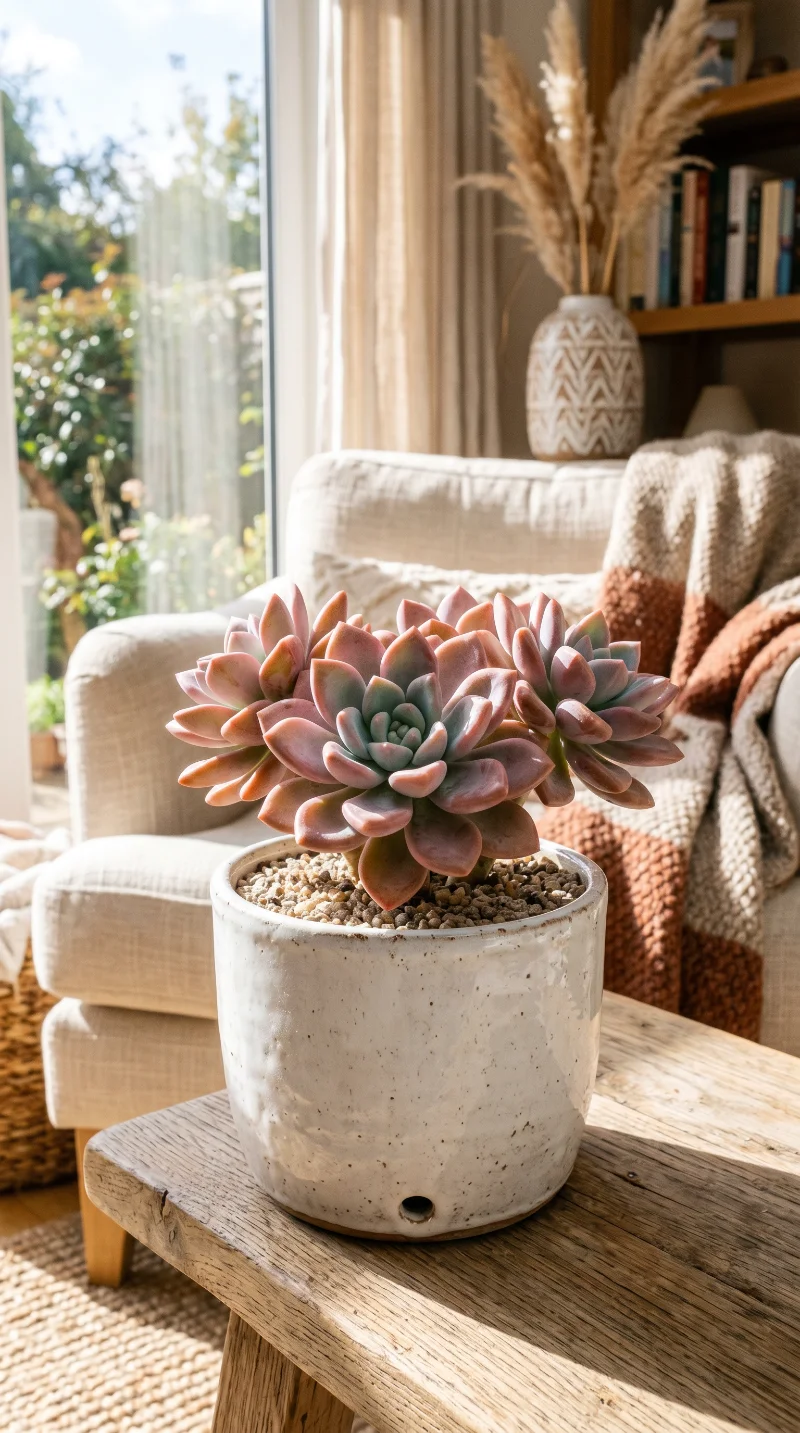
Looking a lot like echeverias, the Graptoveria Opalina has more upright growing leaves that are plump and silvery with pink tones on the leaf margins.
It’s a flowering succulent that produces yellow flowers with orange centers, although you may not see it bloom indoors.
Full sun is best for the Graptoveria, but you can get away with partial sun too, so it’s adaptable to growing indoors.
Christmas Cactus
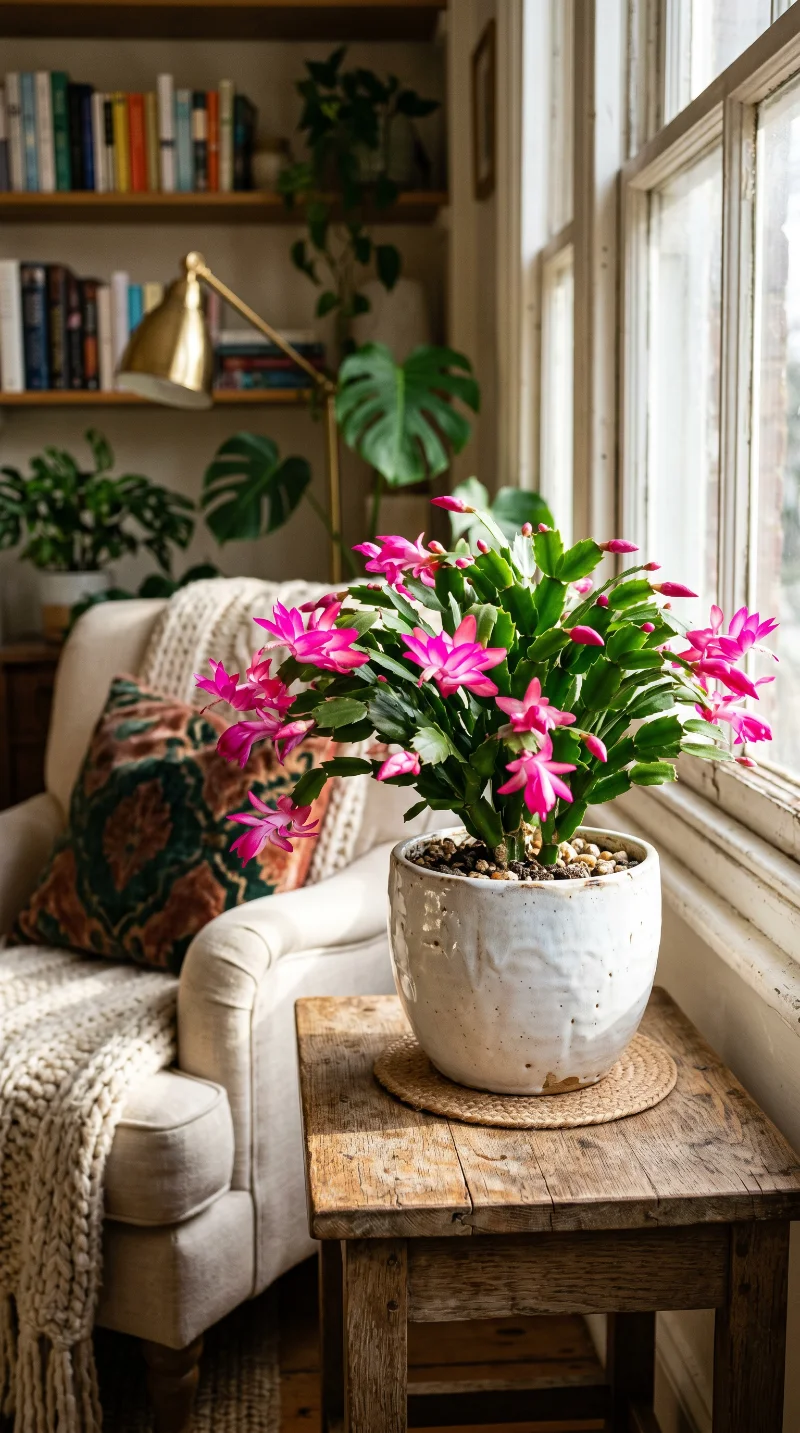
One of the most remarkable features of the Christmas cactus is its extreme blooming capacity that will produce stunning red, yellow, pink, white, or purple flowers just in time for the winter holidays. The blooming stage will last for several weeks.
Moderate light with some direct sun is the perfect light combo for these succulents. An east-facing window will be best for the Christmas cactus.
As far as temperatures go, the Christmas cactus thrives in room temperature between 55 F and 65 F.
Sedum Praealtum (Shrubby Stonecrop)
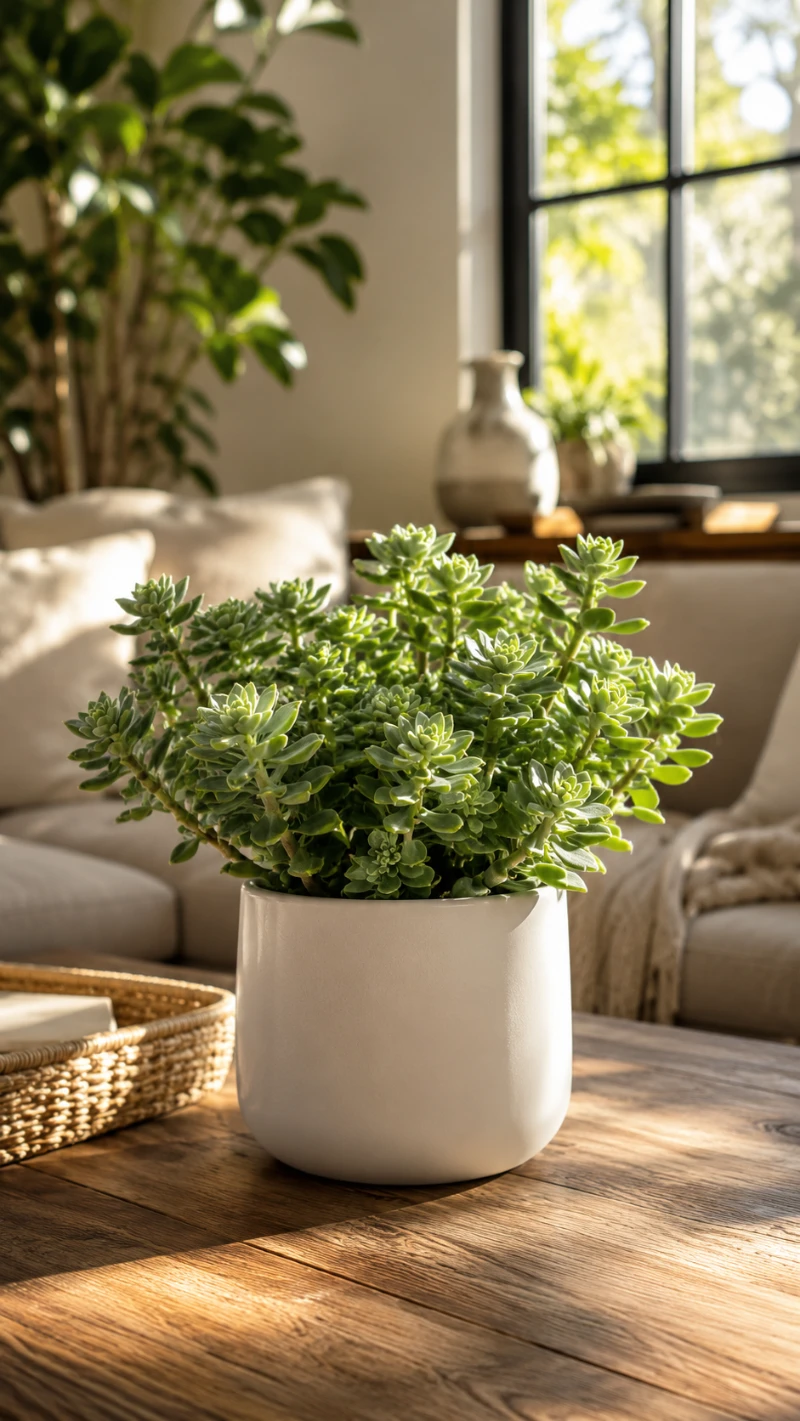
The shrubby stonecrop succulent enjoys partial shade to partial sun, which allows for the plant to be grown even indoors. It’s not a cold-hardy plant, and it should be guarded from sudden drops in temperatures or cold drafts.
This succulent grows to about 12 inches tall and 36 inches wide. It blooms in early spring, producing star-shaped blossoms.
Succulent Bush Senecio
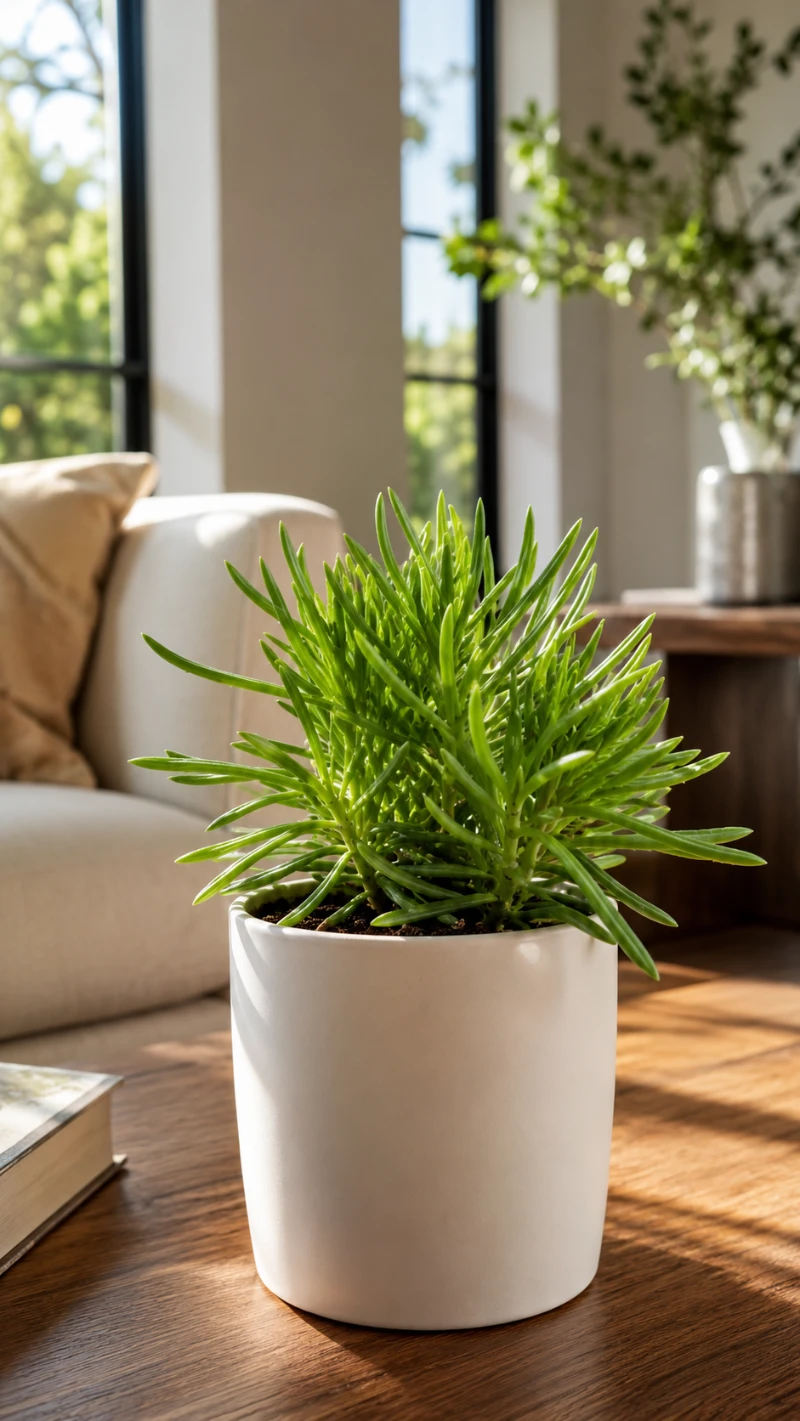
With light green, pointy leaves and bright yellow flowers, the succulent bush senecio can grow quite tall outdoors, reaching up to 6 feet.
It’s a drought-resistant plant that blooms in winter and grows mostly at high altitudes. It needs 4 to 6 hours of light every day, so make sure you find a spot with plenty of light for it.
If you can, do keep it outside during the summer and take it inside during the winter, as it’s not a cold-hardy succulent that would survive the winter frost.
This concludes some of the most popular indoor succulent plants that are easy to maintain and aren’t very fussy about keeping requirements.
String of Pearls (Senecio rowleyanus)
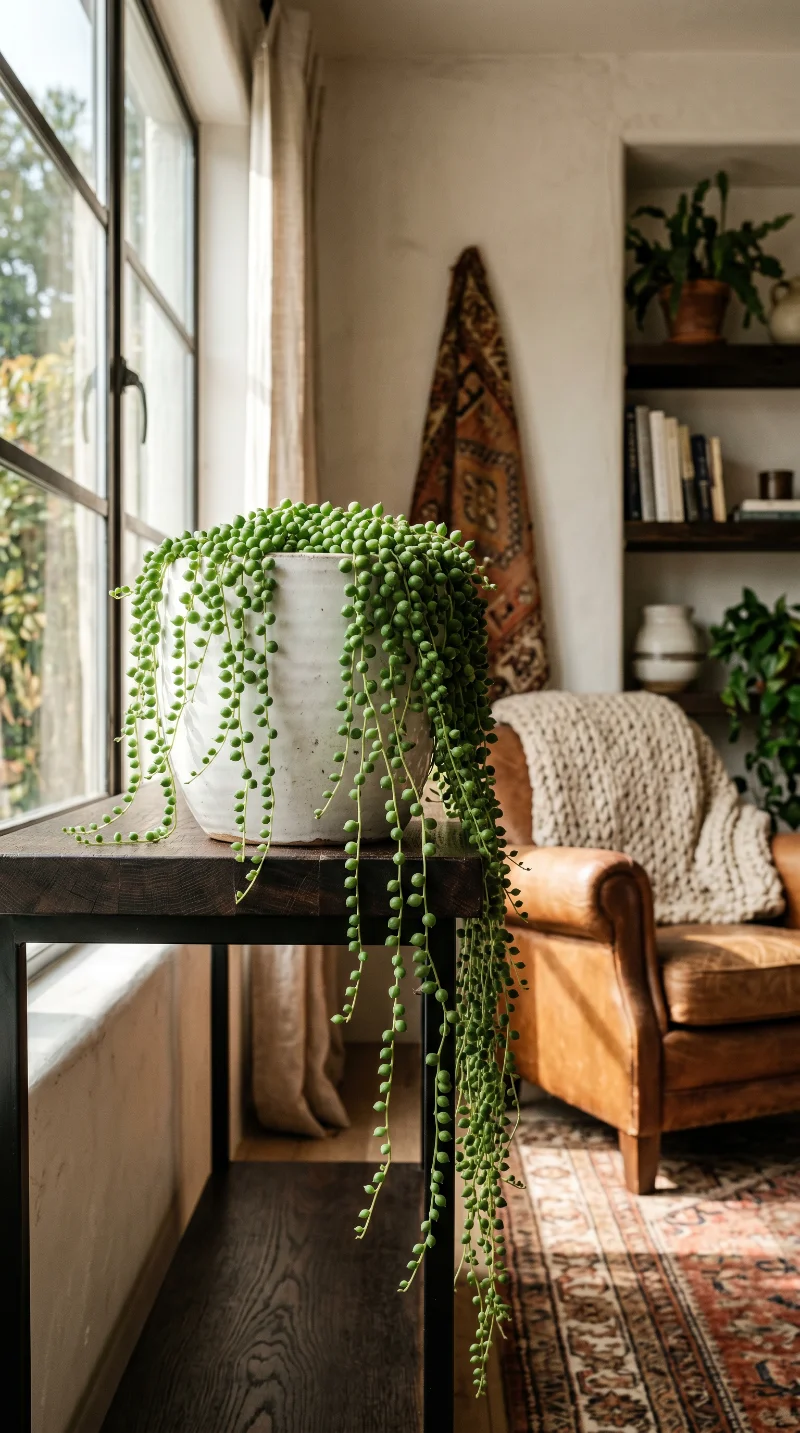
You need a String of Pearls for your indoor hanging baskets. Those little pea-like leaves cascade beautifully down the sides of the pot and draw the eye instantly.
I always hang mine right by a bright, east-facing window. They love soaking up that indirect sunlight all morning long.
Use a gritty, fast-draining soil mix to keep the roots happy. Let the dirt dry out entirely before you grab your watering can again.
Burro’s Tail (Sedum morganianum)
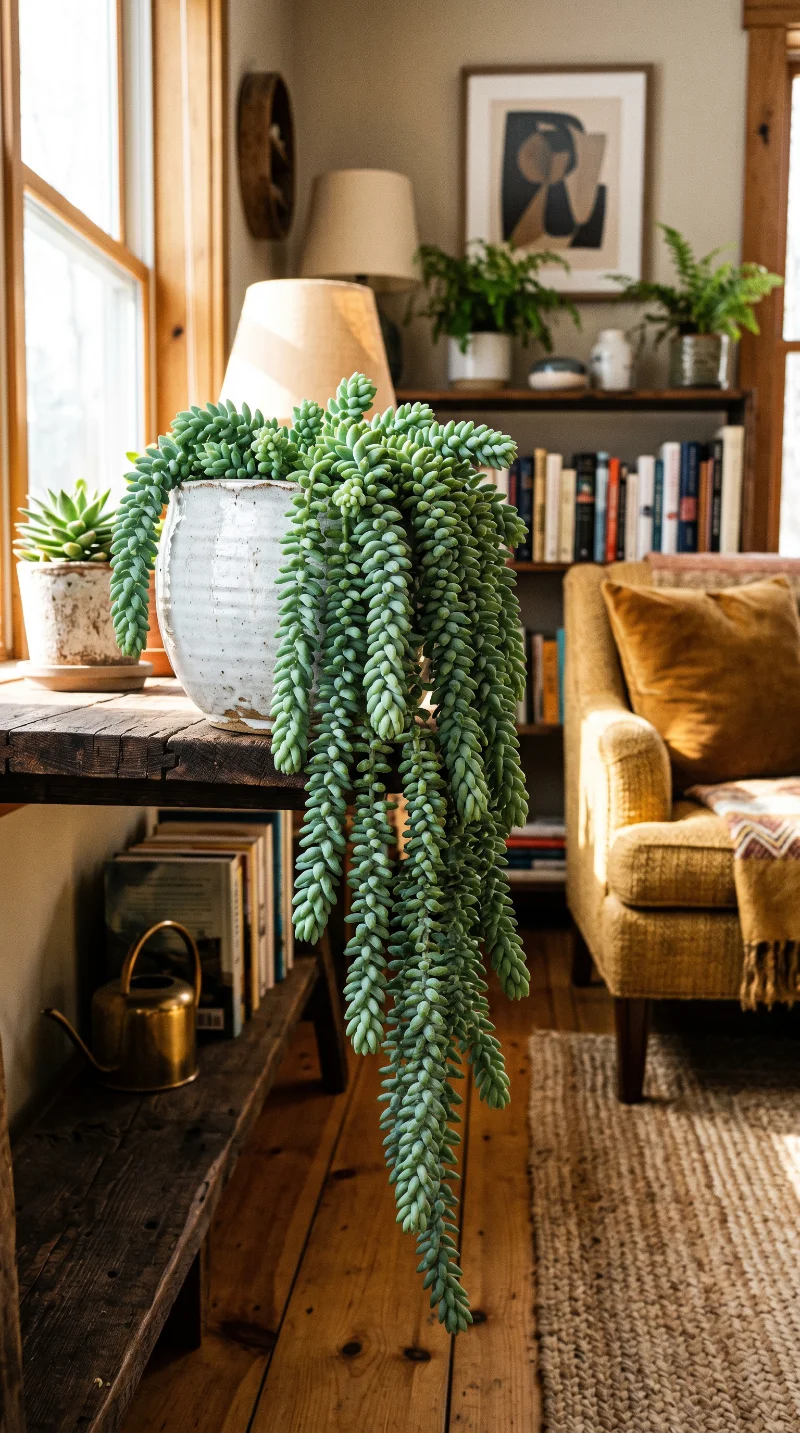
The Burro’s Tail packs thick stems full of plump, teardrop leaves. Given enough time, those gorgeous woven stems can trail down for several feet.
Find the absolute sunniest spot in your house for this plant. Keep it out of high-traffic areas so wandering shoulders or pets do not bump it.
Those fleshy leaves break off easily, but they hold a ton of water. Give the plant a heavy soak only when the soil feels completely dry to the touch.
Living Stones (Lithops)
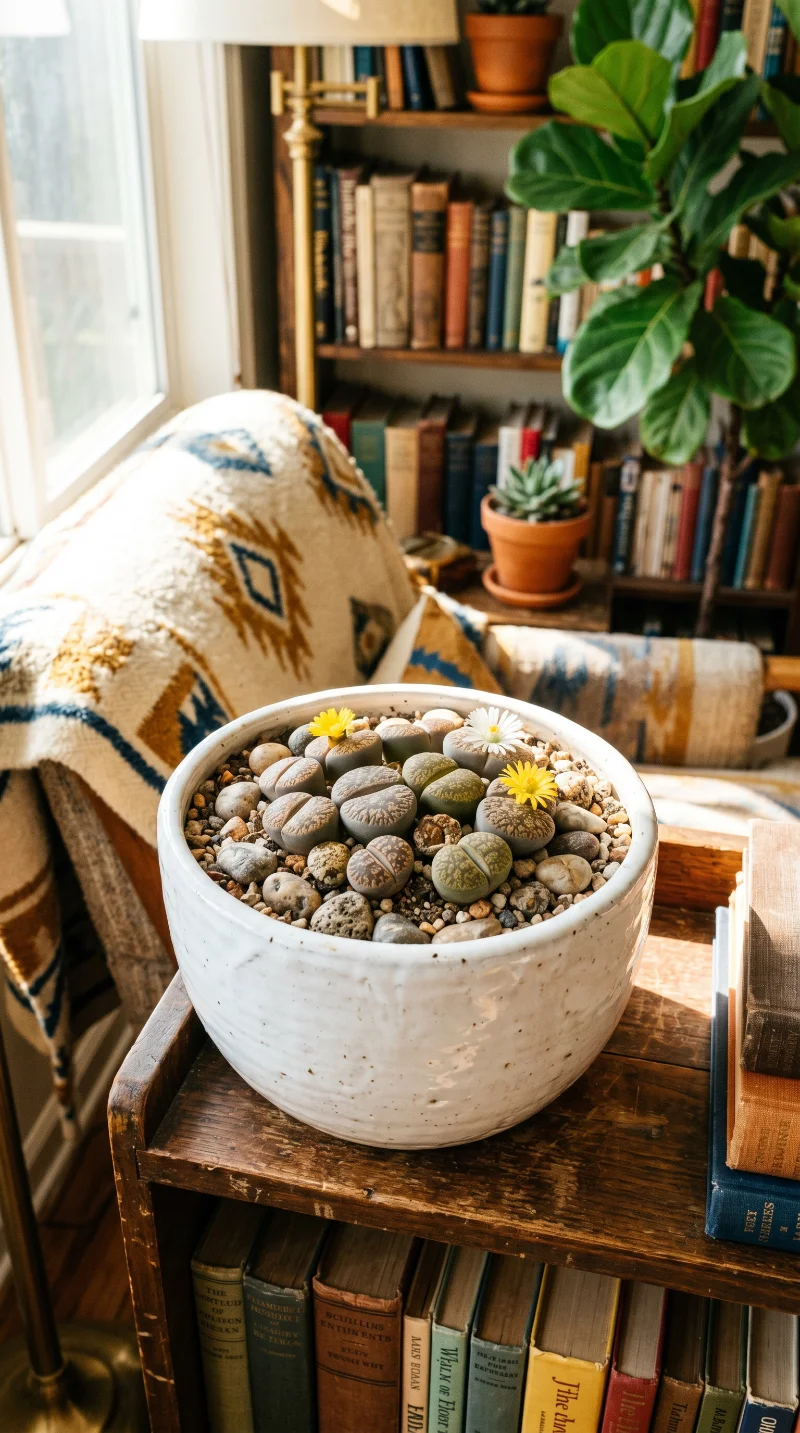
Living Stones trick everyone into thinking they look like actual pebbles. They evolved this clever disguise to hide from hungry animals in the wild.
Put them on a super bright windowsill so they stay short and compact. If they lack light, they will stretch out toward the sun and lose their unique shape.
Overwatering kills these little guys faster than anything else. Practically ignore them all winter long, and they will reward you with steady growth in the spring.
Bear’s Paw (Cotyledon tomentosa)
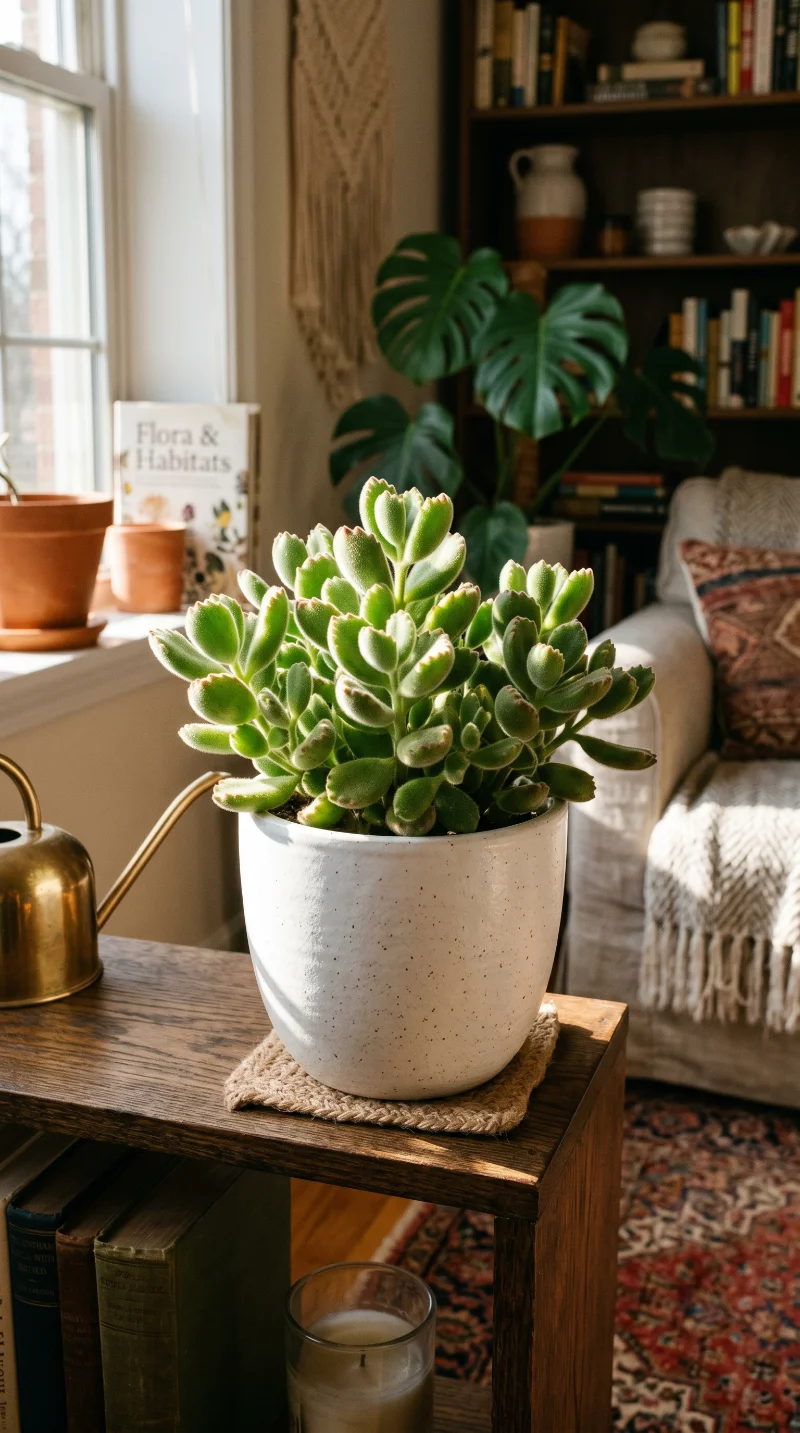
The Bear’s Paw grows the cutest chubby, velvety leaves you will ever see. The leaf tips even sport tiny red “claws” that look exactly like miniature paws.
Give this plant plenty of bright, indirect light inside your home. Catching a few hours of direct morning sun makes those red claws look incredibly vibrant.
Keep the plant warm at room temperature year-round. Wait until the soil dries out completely before you offer it a drink.
Haworthia Cooperi
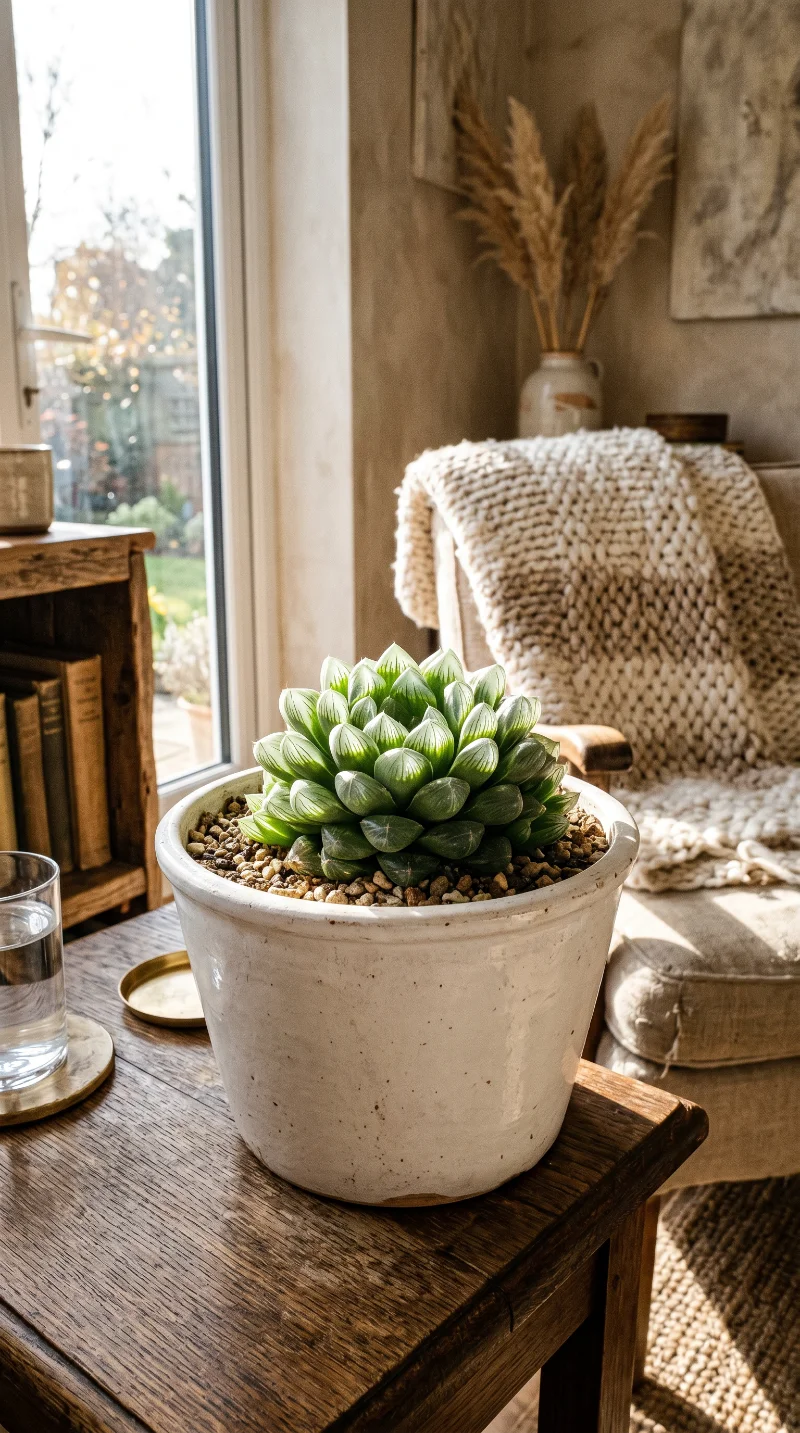
Haworthia cooperi forms tight clusters of plump, see-through leaves. The foliage genuinely looks like little pale green glass bubbles growing right out of your pot.
In the wild, they bury themselves in the dirt to hide from harsh sunlight. Treat them the same way indoors by providing bright, indirect light instead of blazing hot sun.
They make amazing desk plants for rooms with softer lighting. Water them deeply and wait a long time before you water them again.
Outdoor Succulents
Requiring plenty of sunlight, growing several feet tall, and some also being resistant to freezing, the following succulents can be mixed and matched to create elaborate succulent gardens.
Agave
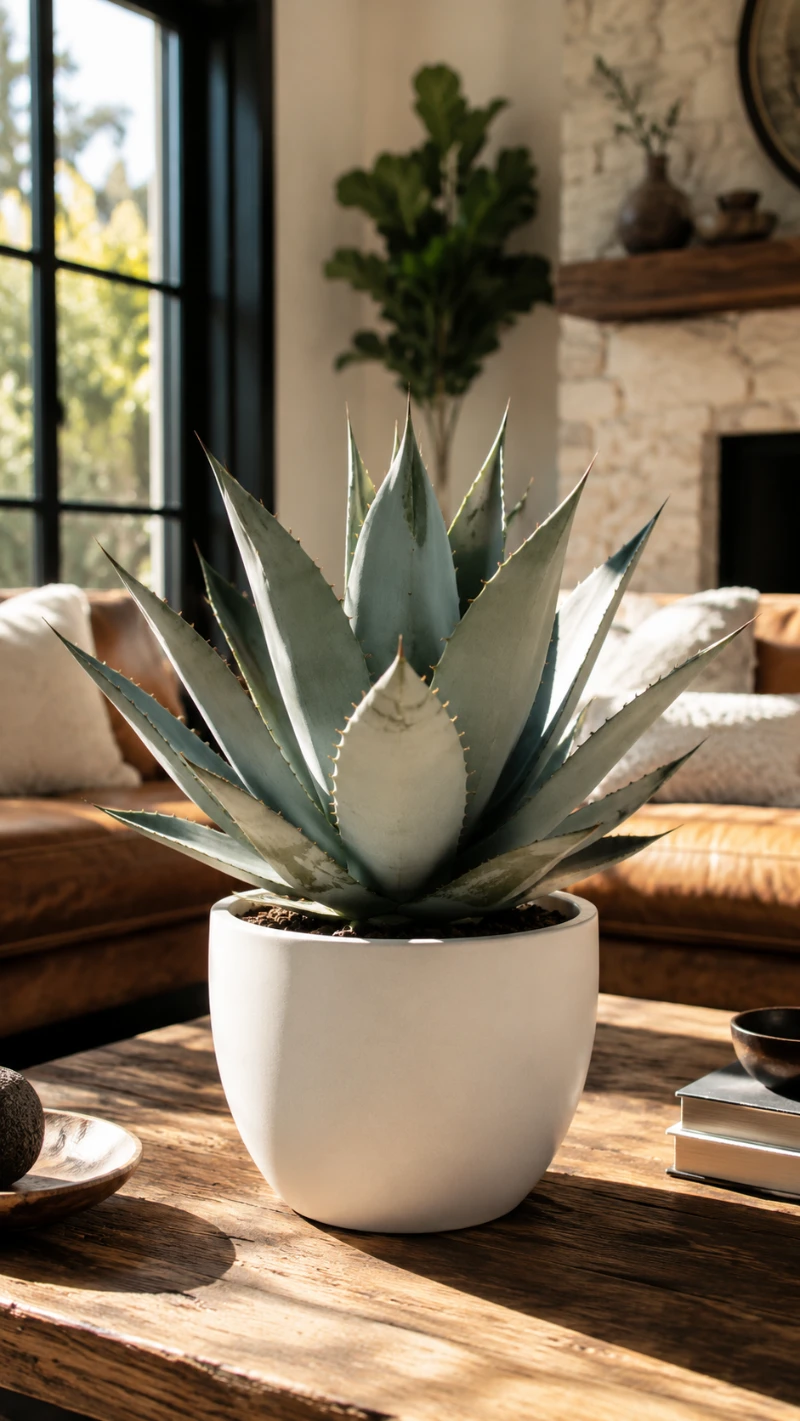
Considering its sheer size (up to 5 feet tall and up to six feet wide), the agave plant is best grown outdoors, especially since the flowering spikes the agave plant produces can be up to 14 feet tall.
Agave plants have silvery green leaves that grow flat and wide. Because of its shape, the plant is also called ‘whale’s tongue’.
Agave is used in culinary settings as well to create the popular agave syrup or the even more popular tequila.
Ice Plant (Delosperma)
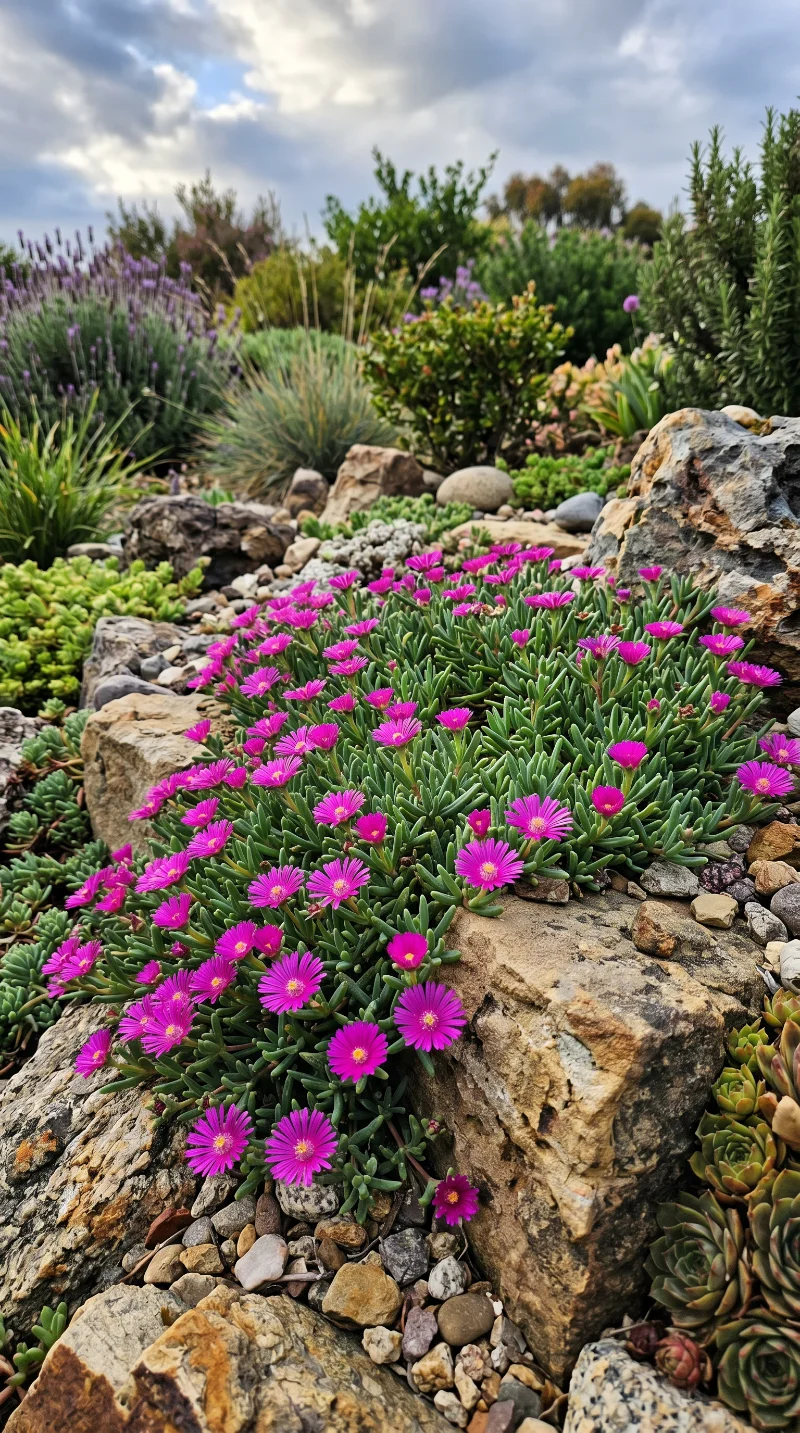
Besides being drought-resistant and hardy plants, ice plants also add a splash of color to your garden. Depending on the variety, you can enjoy daisy-like yellow, purple, pink or white flowers.
Full sun is preferable for ice plants, but some light shade works too, although direct sun is the best you can offer it.
Although more cold-tolerant than other succulents and making excellent year-round ground covering in USDA plant hardiness zones 5-9, the ice plant got its name more for its shimmering leaves and flowers that seem to be covered in ice, rather than its cold hardiness.
Sempervivum
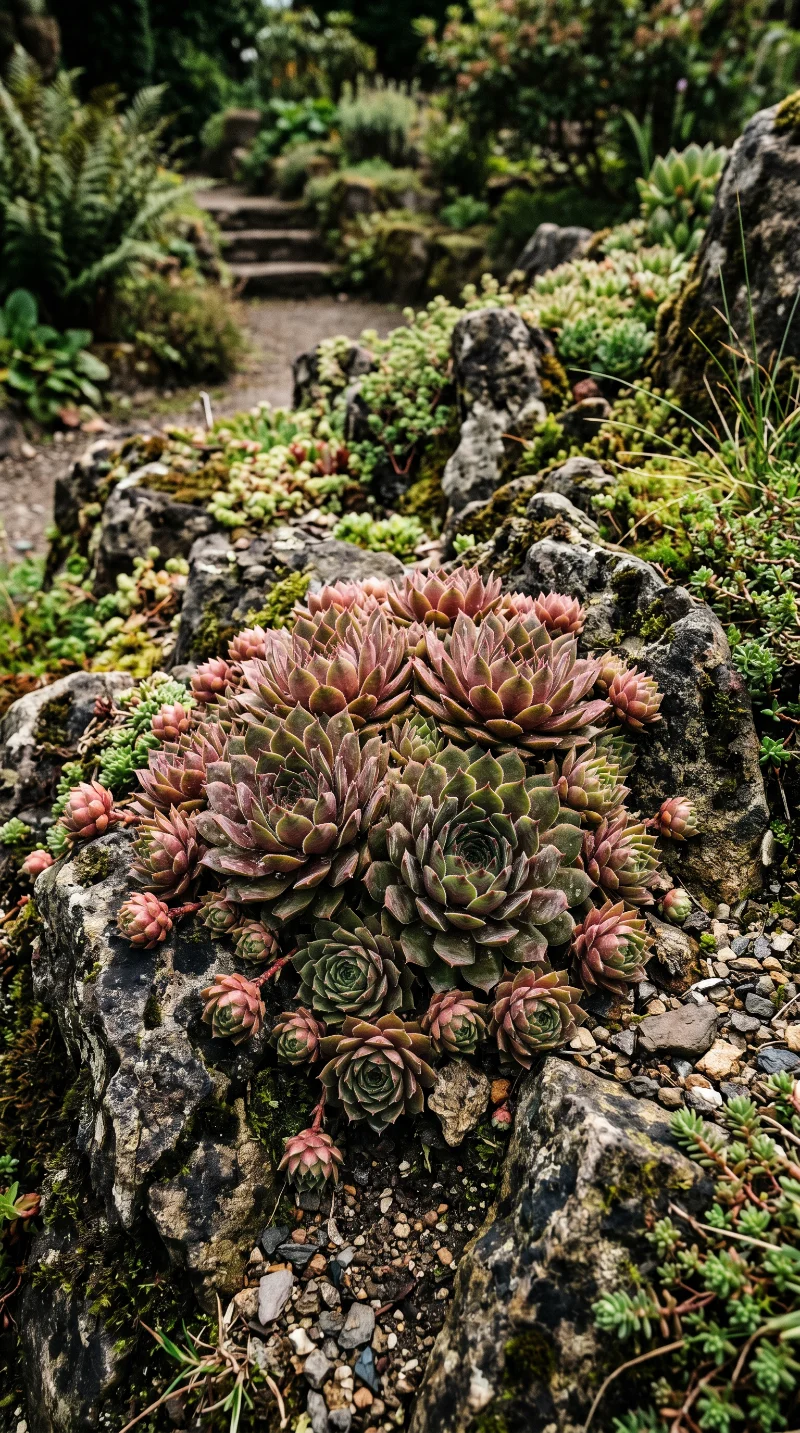
The Hens-and-Chicks or sempervivum tectorum is an evergreen succulent in the shape of rubbery rosettes. They’re very easy to propagate since they produce multiple plantlets. They’re not only drought-resistant but also cold-hardy.
Sempervivums come in hundreds of varieties, with distinctly colored leaves that range from bronze-tinged to bright green with hints of red or orange.
Full sun with some shade during the afternoon is best for the hens-and-chicks succulent that doesn’t do well if exposed to too much moisture.
Stonecrop (Sedum)
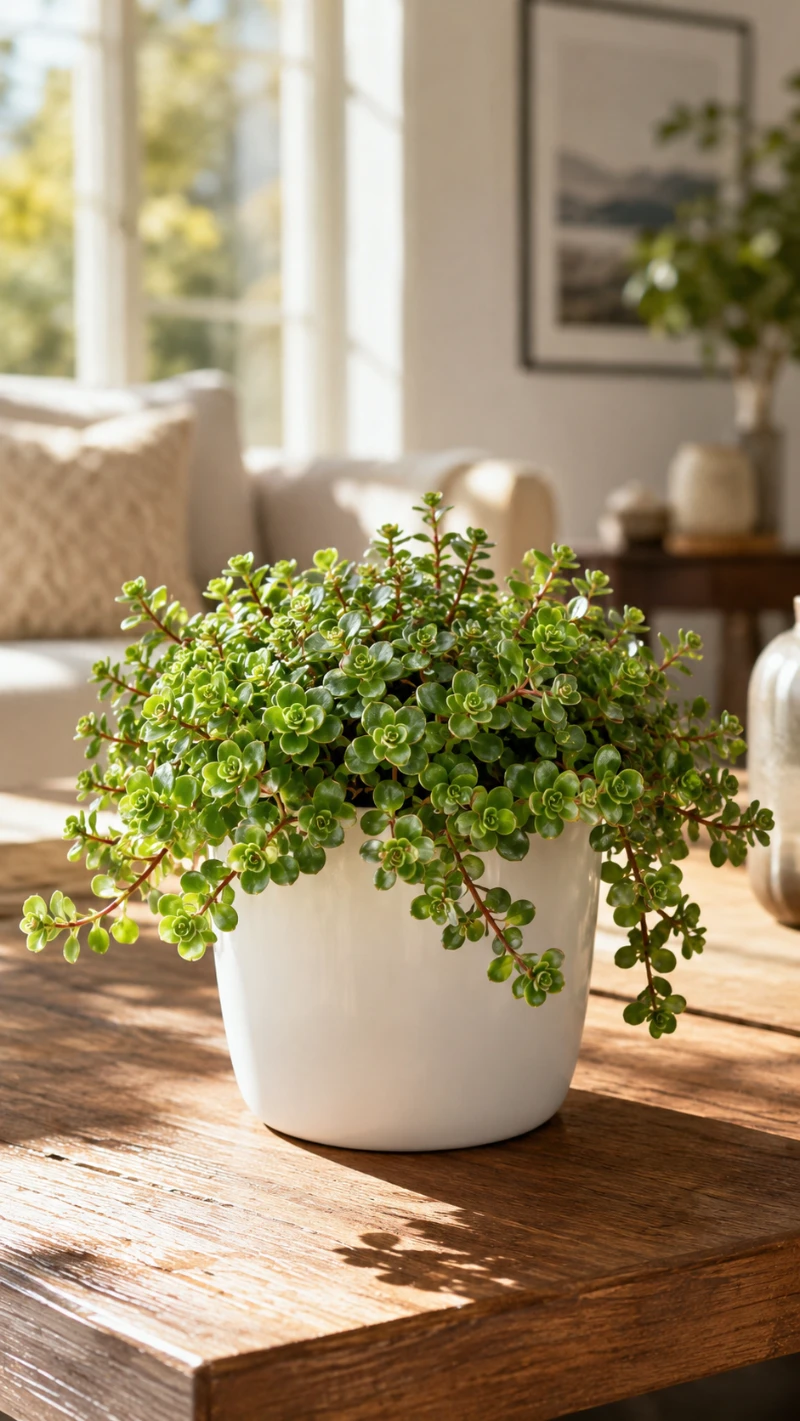
Stonecrops come in many different color varieties, offering the choice of bright green, silver, pink or blue plants. Their flowers grow in colorful clusters, creating a visually striking cover in rock gardens.
When it comes to height, there are two sedum varieties: the tall sedum that can grow up to 3 feet tall and a creeping variety that stays close to the ground.
Full sun is best for this plant that is known to attract butterflies and birds to your garden.
Orostachys
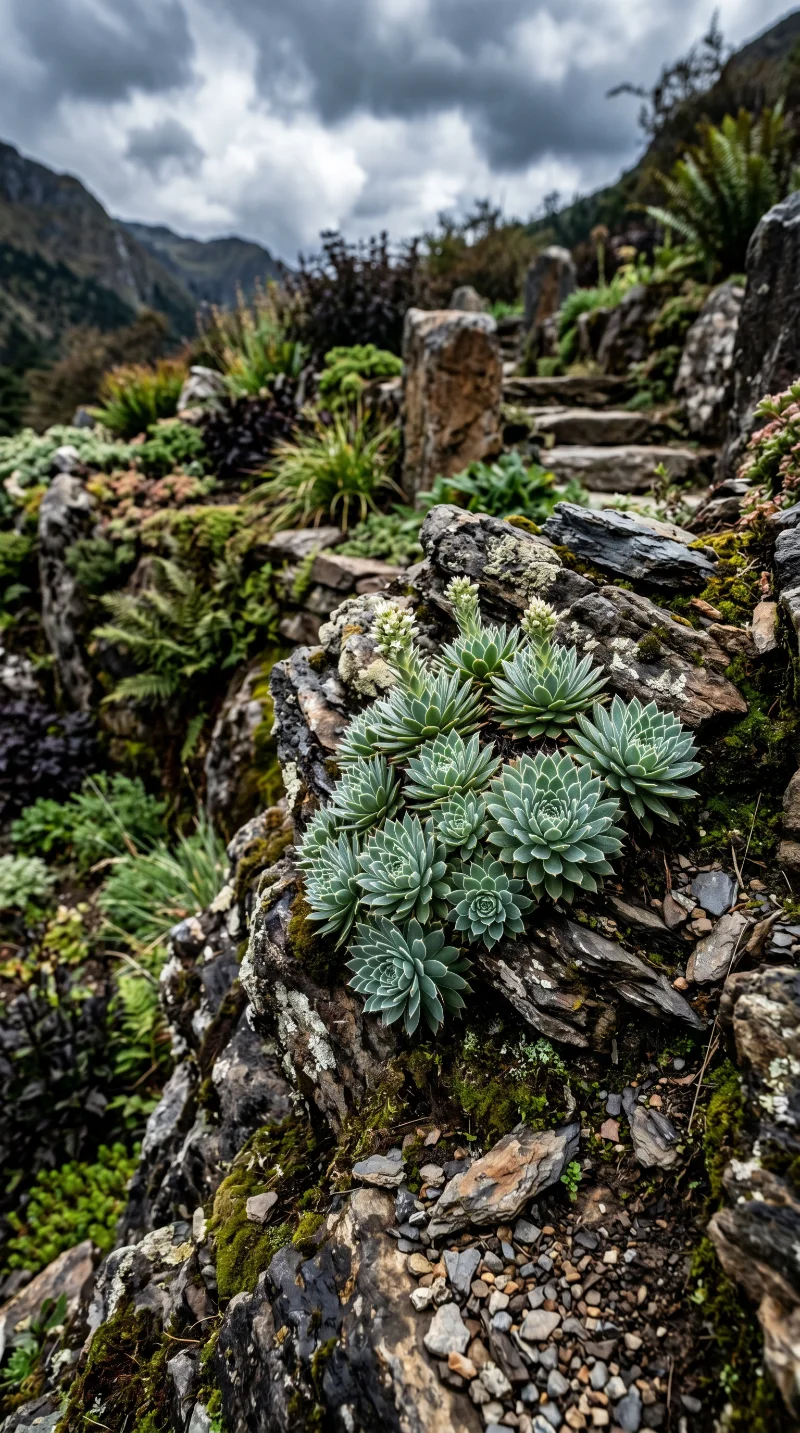
Orostachys is a genus of succulents that includes many varieties that are mostly all low growing. In terms of colors, you can find silvery green, bright green, and some varieties featuring green with red leaf margins.
Most varieties feature rosette-like shapes and waxy, fleshy leaves, but some varieties have pointy and cylindrical leaves.
Poor soils are not a problem for these plants as long as the soil is well-draining. Some bright sun is needed, but semi-shade works well for most varieties of the genus.
Saxifraga
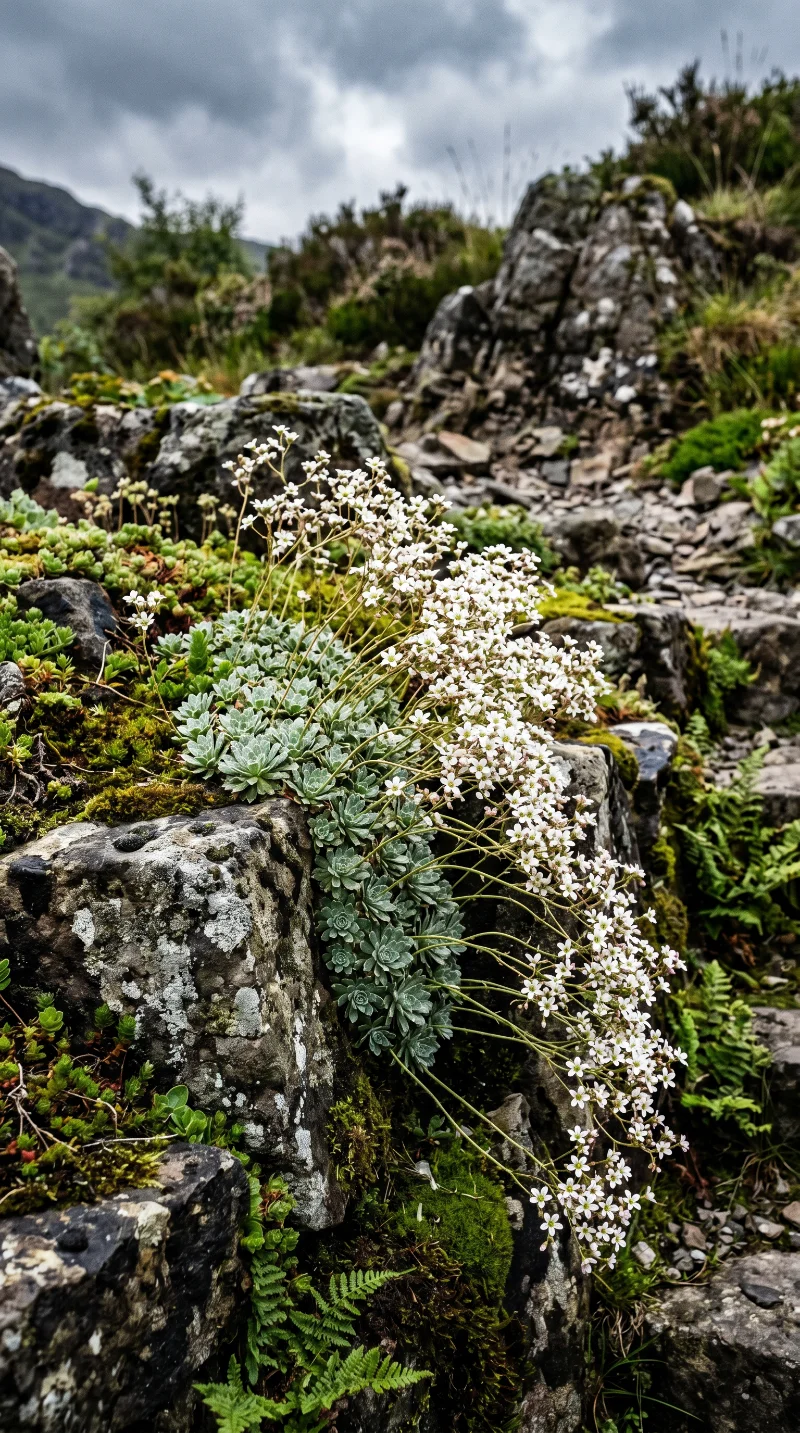
Saxifraga are cold-hardy succulents notable for their fine-textured leaves and beautiful blooms that are available in a variety of colors. These succulents are mat-forming and are suited for rock gardens.
In terms of light requirements, full sun is only tolerated if the soil is rich and moist; they thrive in semi-shaded areas. Hot and dry conditions are not tolerated by most varieties.
Jovibarba
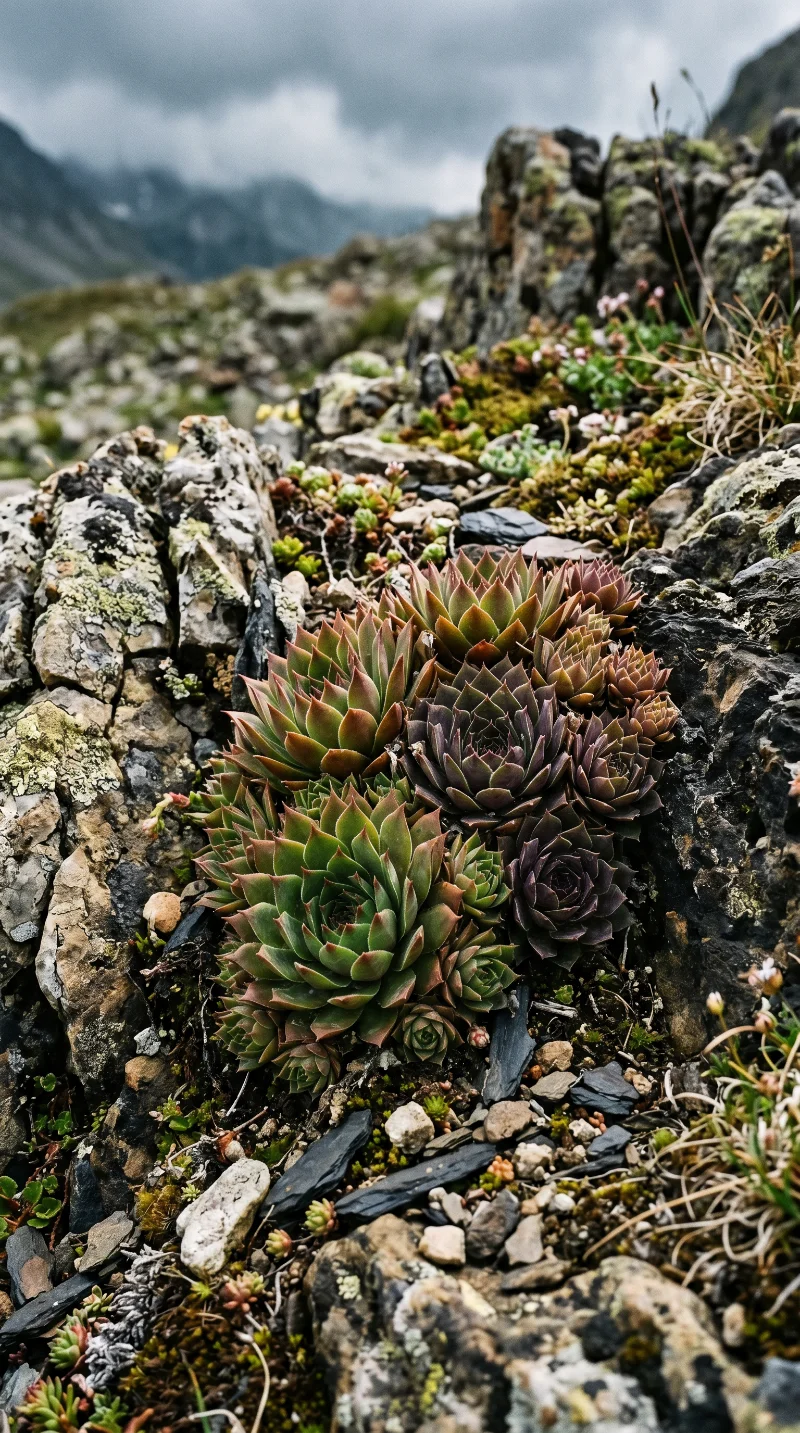
The plant produces compact rosettes and fleshy leaves and looks eerily similar to sempervivum plants. Despite their similar look and keeping requirements (both need dry and sunny locations), sempervivum and jovibarba plants are distinct plants.
The most striking difference is observed in the flowers they produce, jovibarba producing bell-shaped blooms, while Sempervivum plants have star-shaped blooms.
The plantlets of jovibarba are blown away by winds and get rooted elsewhere, an ability that earned them the name ‘rollers’.
Plush Plant
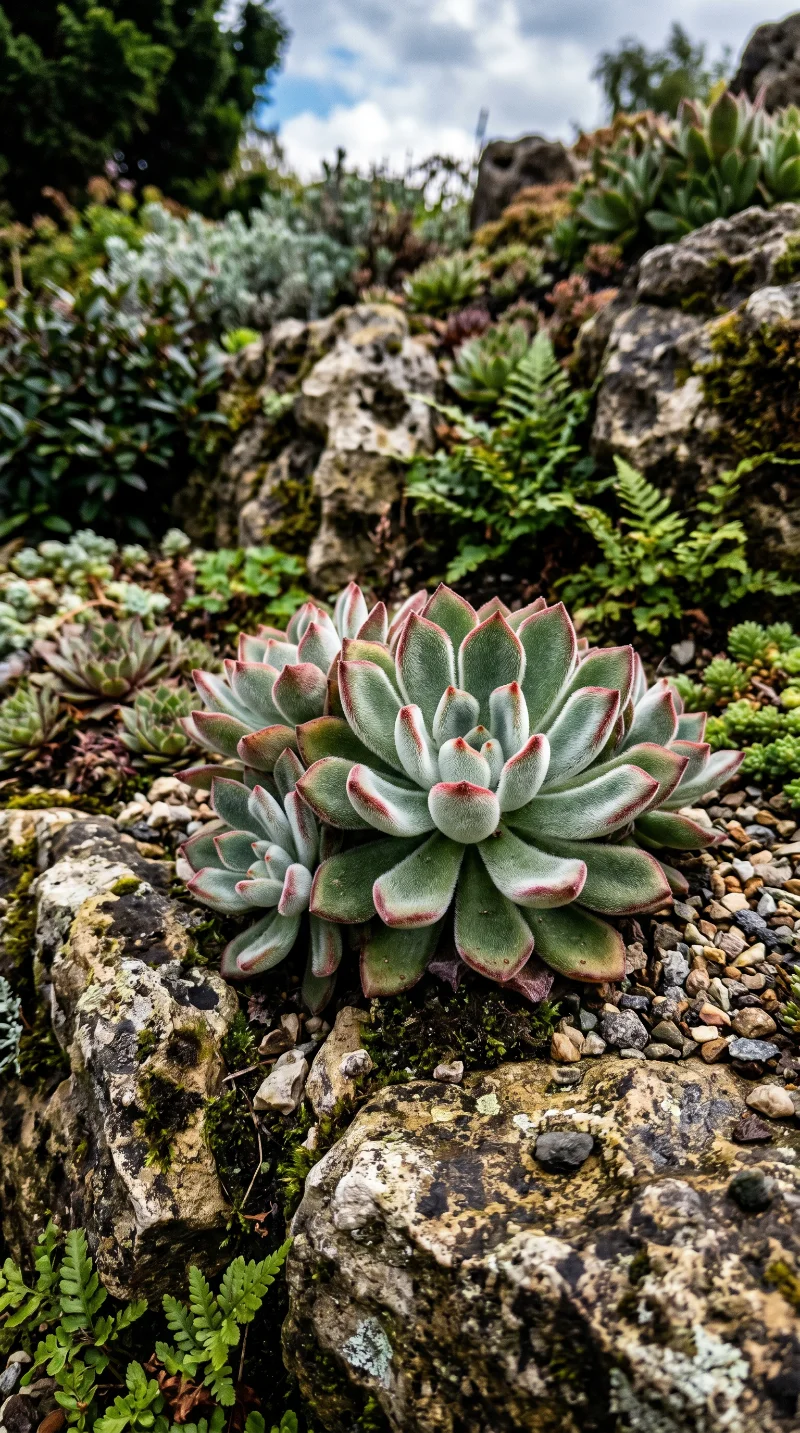
An echeveria variety, the echeveria pulvinata, the plush plant has fine silvery hairs that are soft to the touch and shimmer when touched by sunlight.
Its red-orange with yellow blooms attract pollinators and hummingbirds, so they’re not only beautiful succulents but useful too.
Plush plants enjoy full sun, but some cultivars can grow even in partial shade. They’re not suitable for areas with freezing temperatures, seeing how they originate from Oaxaca, Mexico.
Dudleya
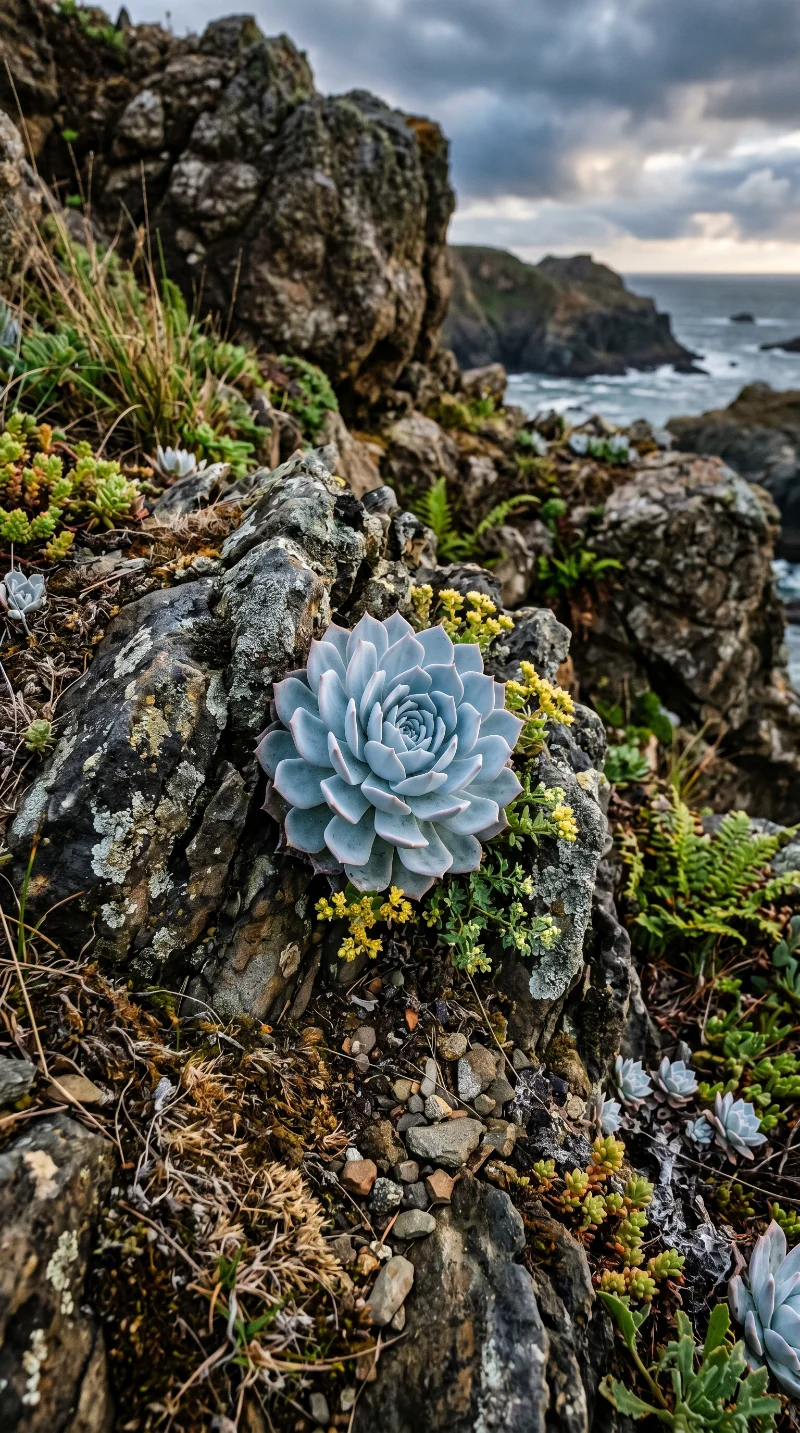
Members of the Echeveria genus, the Dudleya succulents, boast over 40 varieties. A few of these varieties are considered endangered.
Rosette-forming and hardy, these plants can live up to 100 years if they’re given a great spot in your garden.
They appreciate bright light, so find a sunny spot in your garden and plant them there. They require little water. When watering, avoid getting water on the leaves, and go for the soil instead.
Dudleyas should be kept in temperatures above 40 F, as they’re not tolerant to frost or freezing.
Pig’s Ear (Cotyledon Orbiculata)
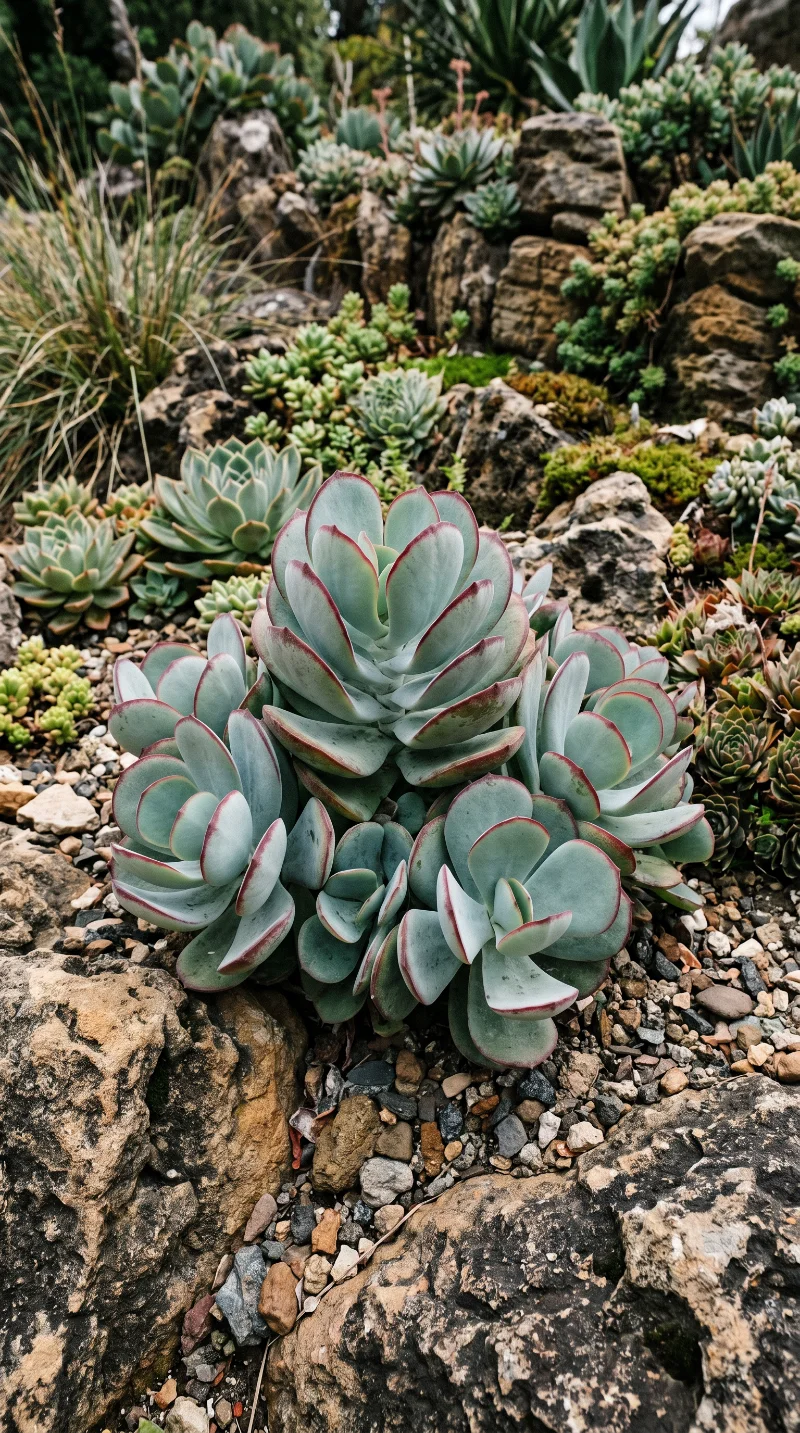
With fleshy, oval leaves and red leaf margins, the pig’s ear succulent is great for growing in rock gardens, succulent beds, and hanging baskets.
Fully mature plants will stretch to 4 feet in height. Its blooms are yellow or red, and appear in late summer and early fall.
A sunny location is ideal for this succulent, but partial shade is also tolerated. This is a cold-hardy succulent with little watering needs.
Aeonium Zwartkop
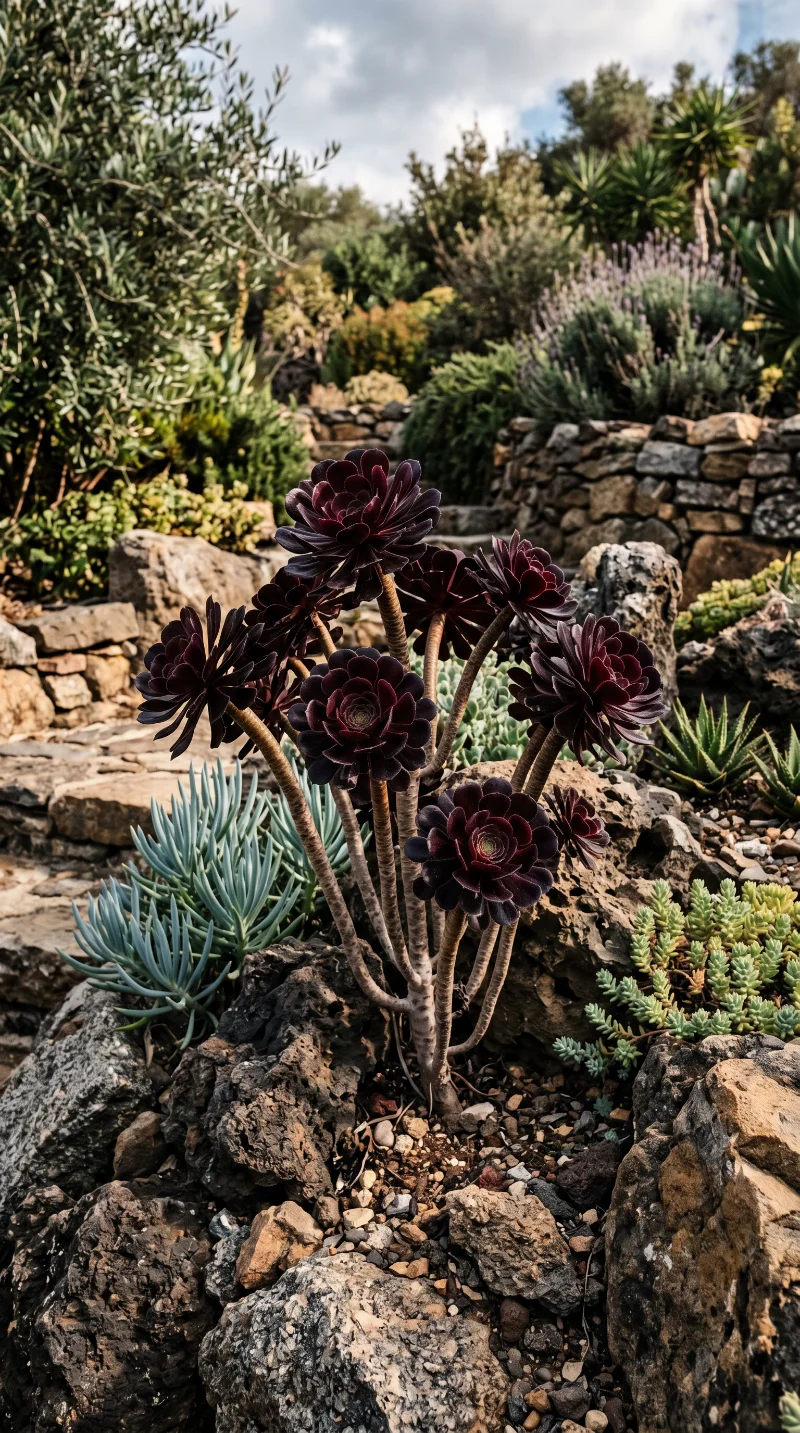
With burgundy, rosette-forming fleshy leaves, this outdoor succulent is also known as the ‘black rose’. Because full sun is needed for this succulent variety, it’s best to keep it in an outdoor garden.
In turn, you can enjoy some beautiful, yellow flowers that create a wonderful contrast with the dark leaves of the plant.
This isn’t a cold-hardy succulent, so depending on the climate in your area, if temperatures are close to freezing, the plant needs to be moved inside.
Ghost Plant (Graptopetalum paraguayense)
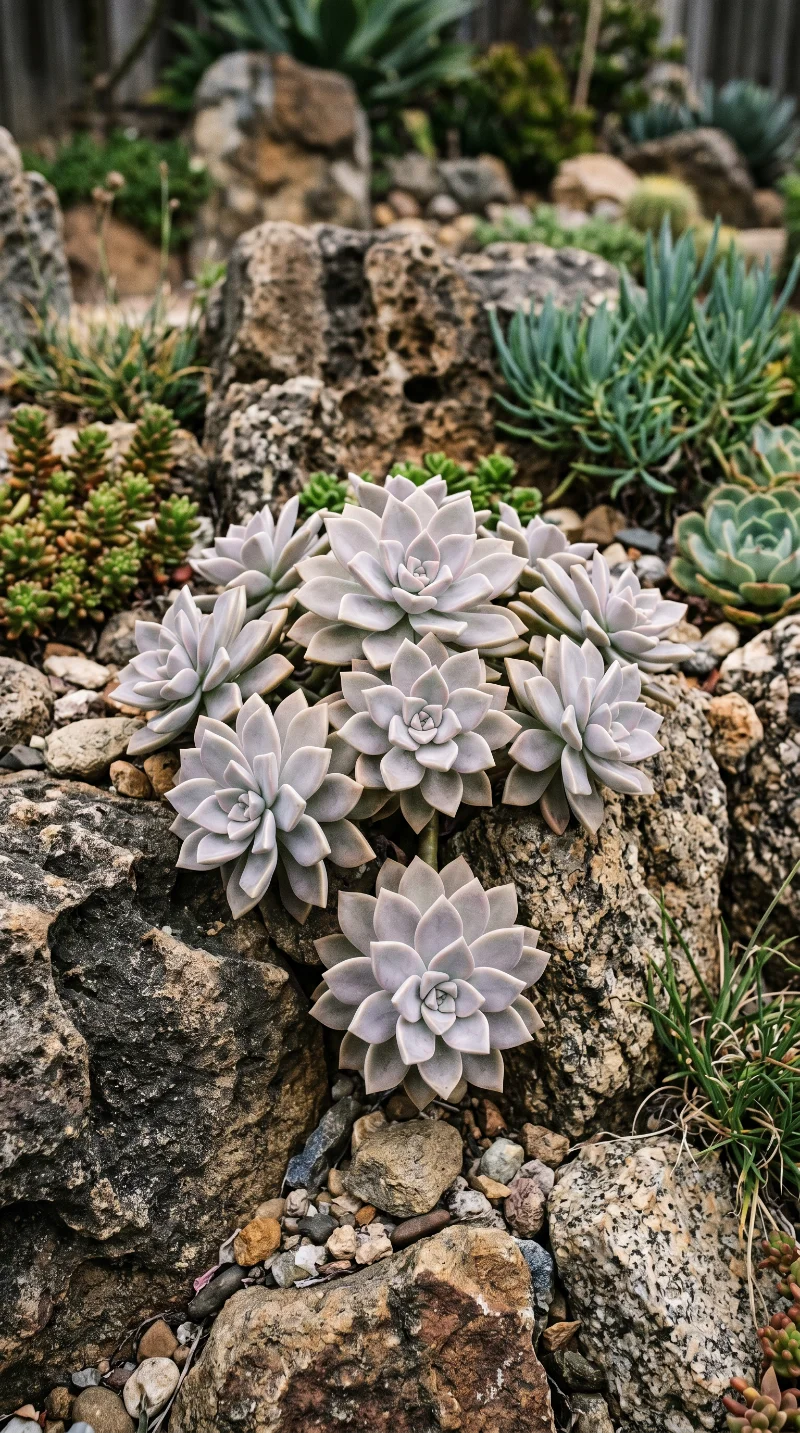
The Ghost Plant spills beautifully out of outdoor planters and rocky garden beds. The pale, silvery-pink leaves change color depending on how much sun hits them.
I grow mine in full sun to bring out their best purple and pink tones. They handle drought like champions and grow incredibly fast.
If a leaf snaps off, just drop it directly on the dirt. The plant will grow a whole new baby rosette right from that broken leaf.
Blue Chalksticks (Senecio serpens)
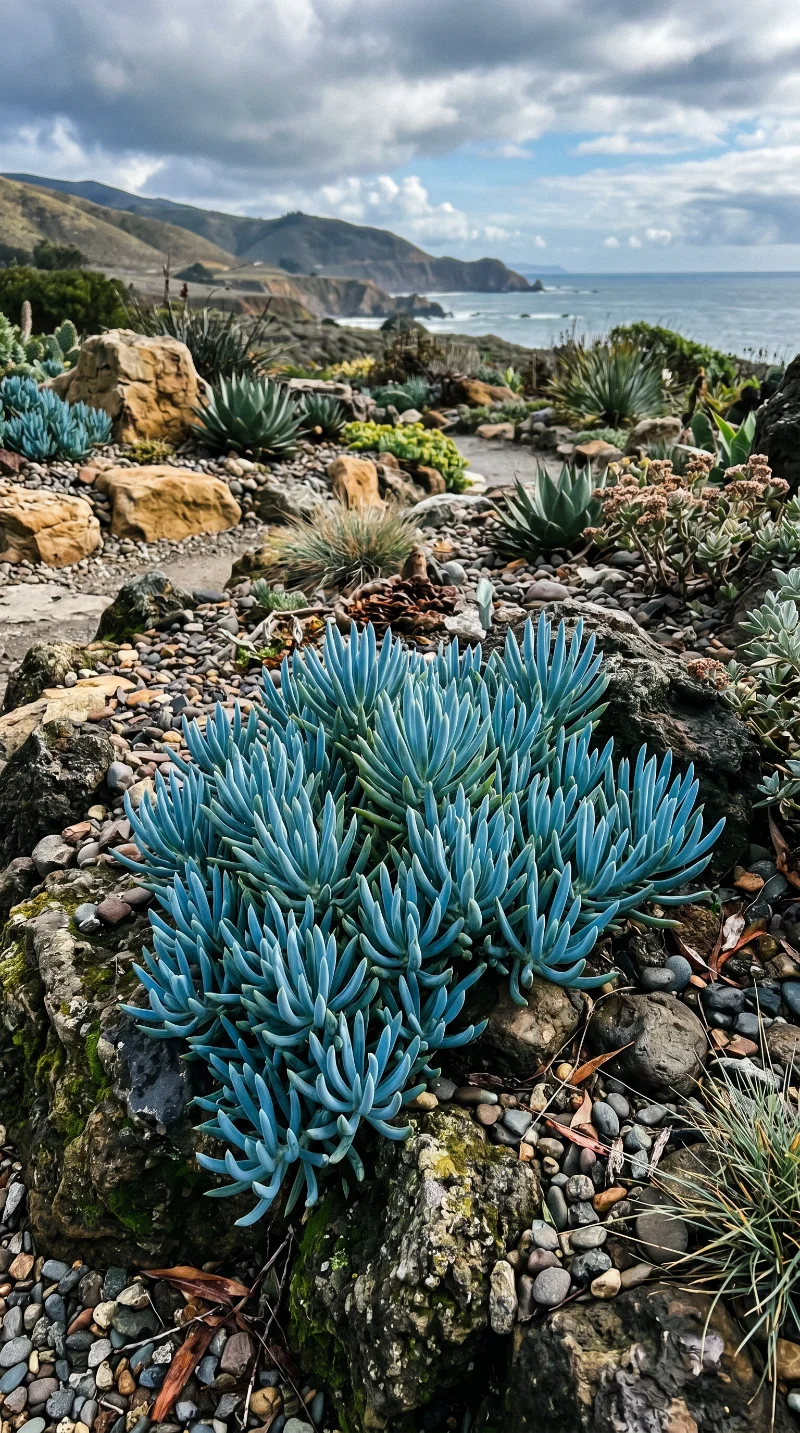
Blue Chalksticks make a stunning ground cover for your sunny garden beds. The plant pushes up finger-like leaves in a brilliant, powdery ice-blue shade.
Plant them right next to dark green or purple succulents to make the colors pop. They thrive in full, direct sun and laugh at the blazing summer heat.
They need very little water once they settle into your yard. Dig them up and bring them inside if winter brings heavy freezes to your area.
Prickly Pear Cactus (Opuntia)
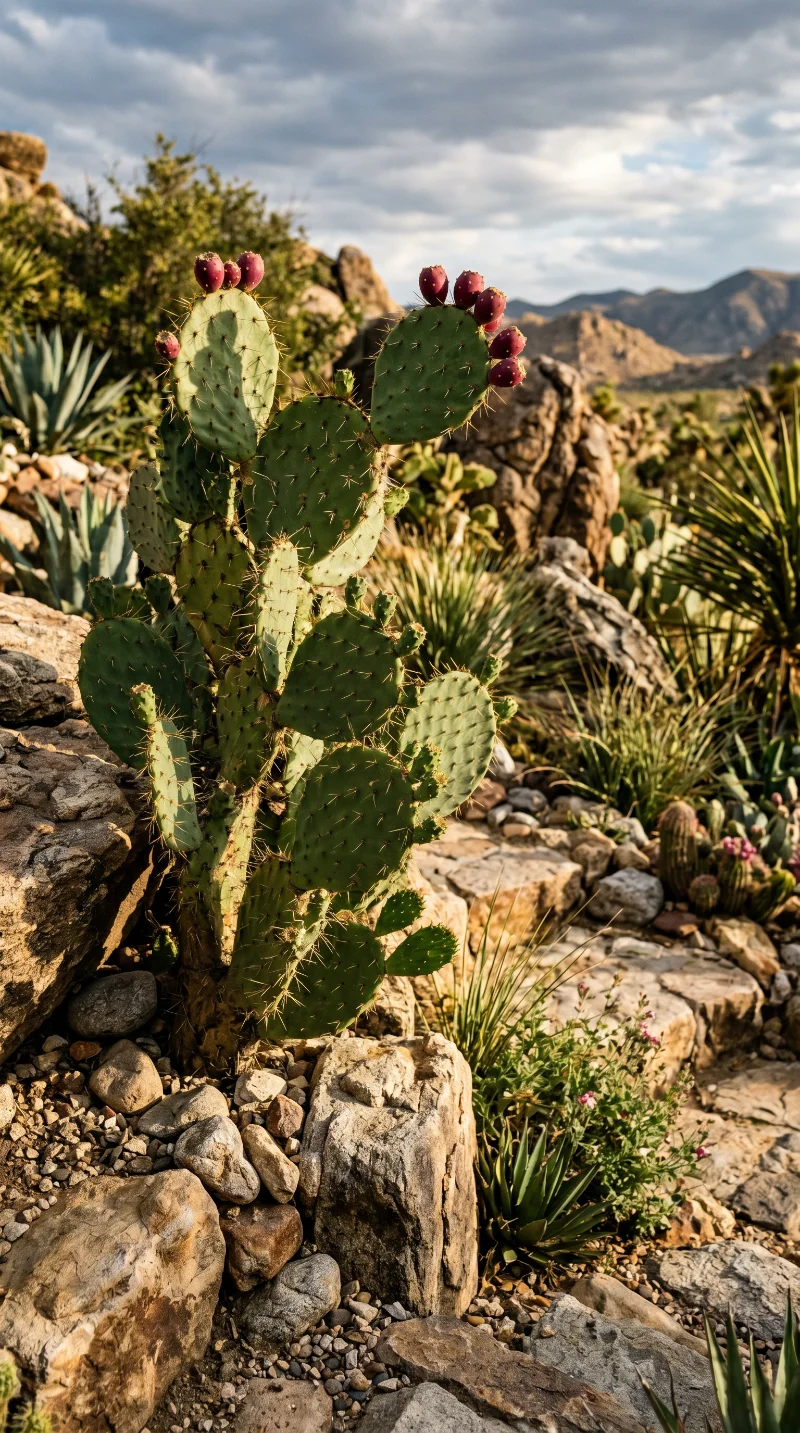
The Prickly Pear stands tall and adds serious architectural drama to a dry landscape. Those massive, flat paddle segments soak up full sun without breaking a sweat.
During the summer heat, the plant pushes out bright yellow flowers. Later on, those blooms turn into delicious red fruits you can actually eat.
Many varieties survive freezing winter temperatures just fine. Wear thick gloves when you handle them, because those tiny spines sting!
Firestick Plant (Euphorbia tirucalli)
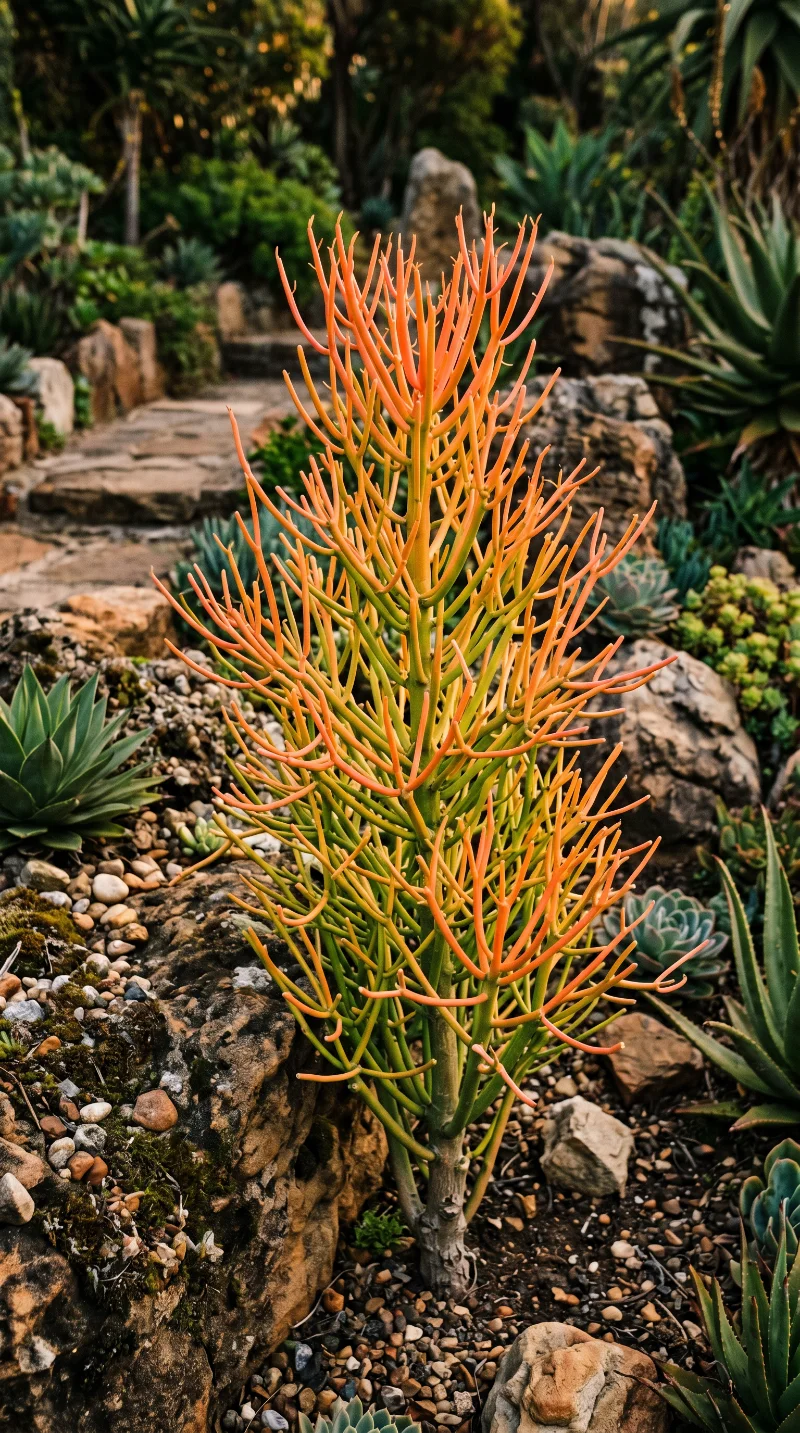
The Firestick Plant grows vertical, leafless stems that look exactly like sea coral. Put this plant in full sun, and the stem tips turn a fiery, brilliant orange.
It grows big and tall, creating an amazing structure in your outdoor succulent beds. It loves high heat and demands almost no water during the summer months.
Watch out for the toxic white sap if you accidentally snap a branch. Always wear protective gloves and glasses when you trim this plant.
Paddle Plant / Flapjacks (Kalanchoe thyrsiflora)
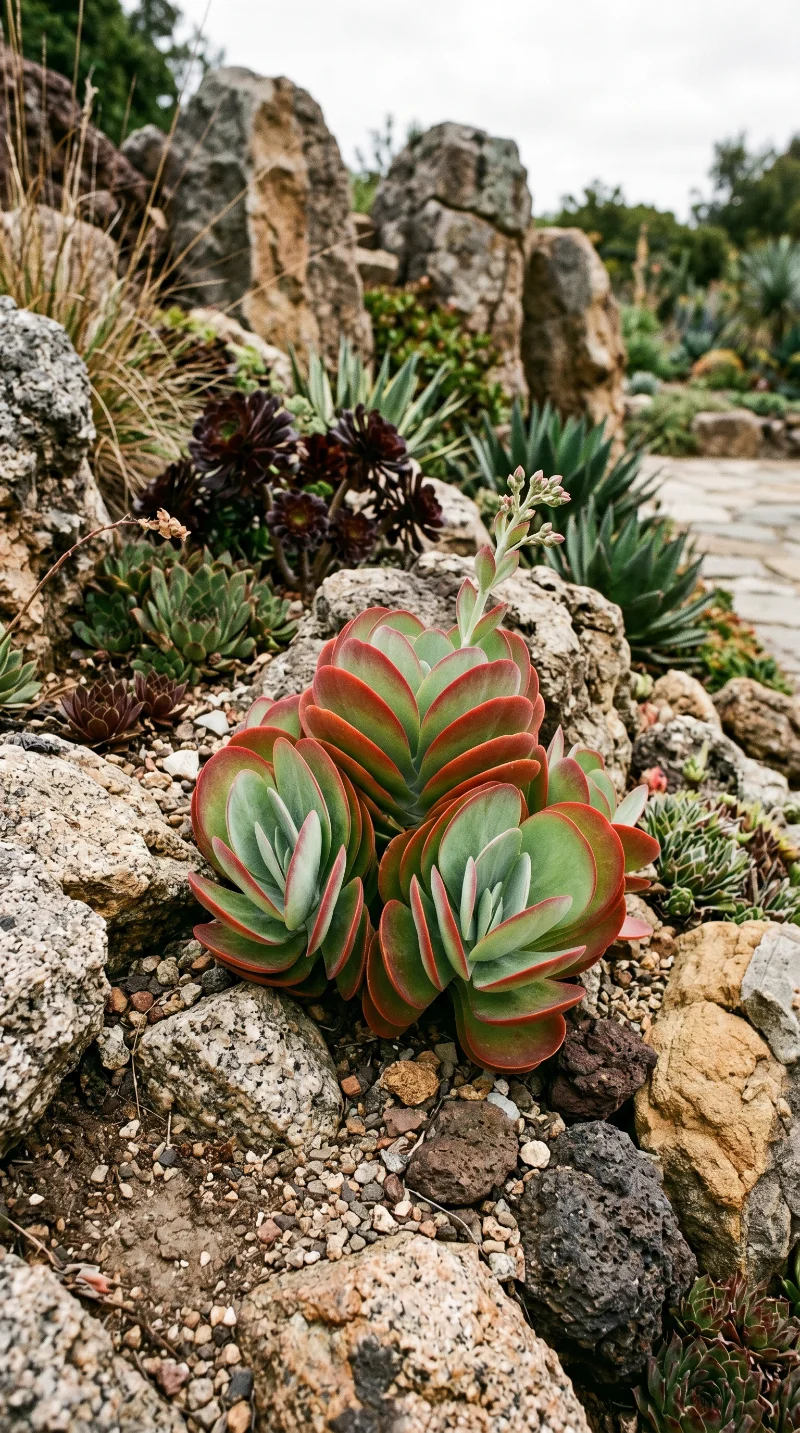
The Paddle Plant features huge, round leaves stacked up like a plate of flapjacks. It breaks up the boring shapes in a garden and catches everyone’s eye immediately.
Plant it in full sun to make the leaf edges turn a vibrant, bright red. It loves dry rock gardens and fits perfectly into large patio containers.
It thrives in the heat but hates freezing temperatures. Throw a frost cloth over it if your local weather predicts a hard, cold snap.