
Snake Plant Care 101: Stop Killing Your Houseplants

Let’s get one thing straight right out of the gate. You’re probably going to love this plant. It’s tough. It’s forgiving. And honestly, it thrives on neglect.
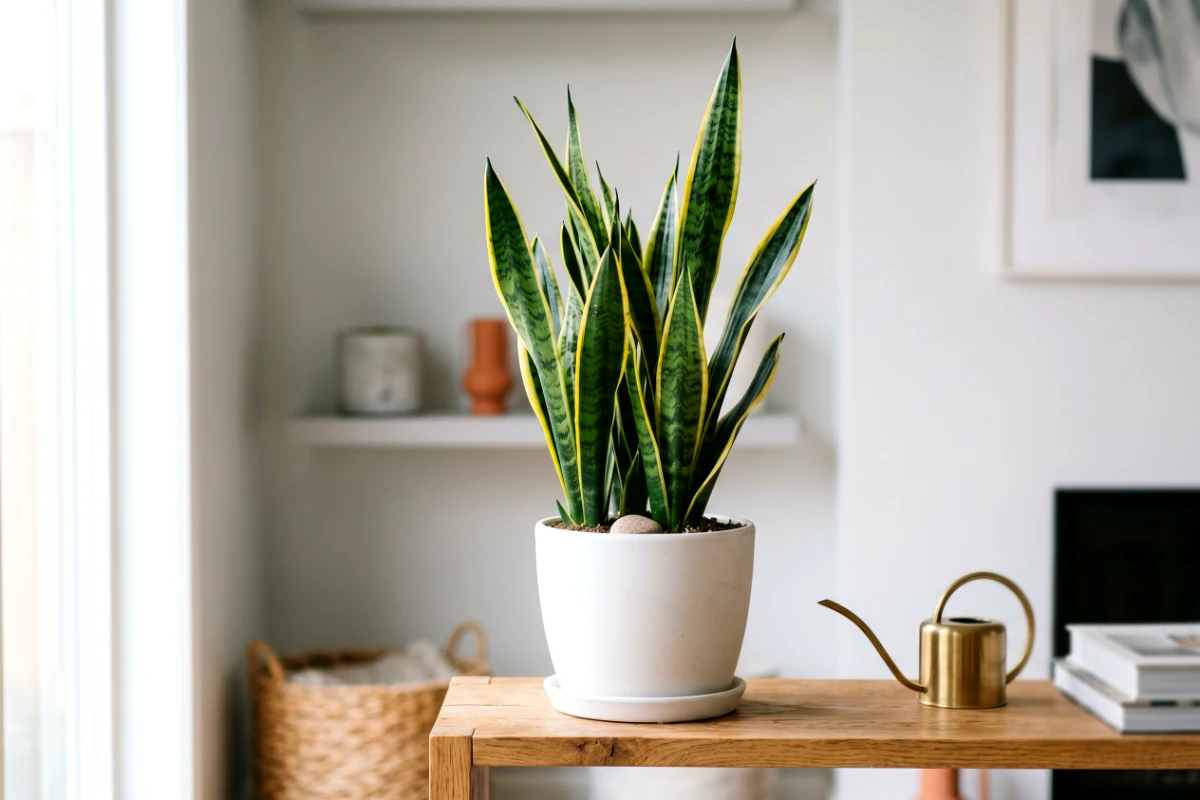
But I see beginners make the same mistake every single day. They treat it like a delicate fern. They fuss over it, water it weekly, and wonder why it rots into a pile of smelly mush.
I’ve grown these spiked beauties for a couple of decades now. I’ll show you exactly how to keep your snake plant (also known as Sansevieria or mother-in-law’s tongue) looking sharp.
Light: Where to Actually Put It
Everyone says snake plants are “low-light” plants. That’s a half-truth.
They tolerate low light. They don’t actually prefer it. In the wild, they grow under the blazing African sun.
So if you stick yours in a windowless bathroom, it’ll survive for a year. But it won’t grow. It just sits there dying in slow motion.
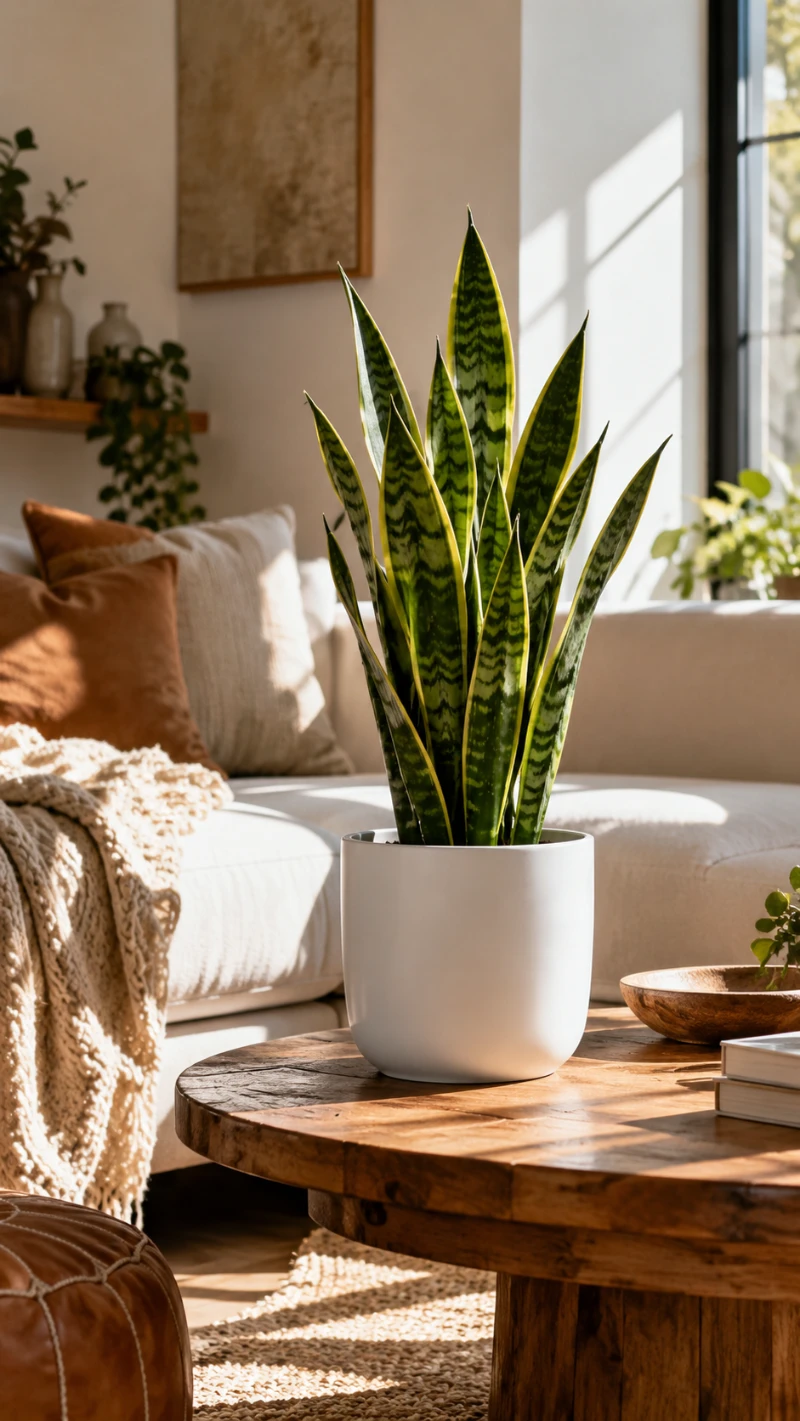
Put your plant near a bright window if you can. East or west-facing spots are golden. The leaves will grow thicker and taller, and the yellow banding will pop like crazy.
The Golden Rule of Watering
Listen close. Put the watering can down.
Snake plants are succulents. They store months of water in those thick, fleshy leaves. When you water them every week, the roots suffocate in the wet mud and rot.
- Summer: Water once every 2 to 3 weeks.
- Winter: Water once a month. Maybe every six weeks.
How do you know for sure? Stick your finger all the way down into the dirt. If you feel even a tiny hint of moisture, wait another week.
When you do water, soak it completely. Let the water pour out the bottom holes. Then ignore it for a month.
Soil and Pots (The Dirt on Dirt)
You can’t use regular garden dirt. It’s way too heavy.
Buy a bag of cactus or succulent soil. Or mix regular potting soil with a heavy handful of perlite and coarse sand. You want the water to run through it fast.
Why Drainage Matters
Drainage isn’t a suggestion. It’s the law.
If your pot doesn’t have a hole in the bottom, drill one. Water pooling at the bottom of a sealed pot is a guaranteed death sentence for a snake plant.
Terra cotta pots are your best friend here. The clay breathes and pulls moisture out of the soil, which helps prevent overwatering mistakes.
Stop Repotting Your Plant
Beginners love repotting things the second they bring them home from the nursery. Don’t do it. Snake plants actually like tight shoes.
They prefer being totally root-bound. They want their roots crammed together into a tight ball.
I’ve literally watched them crack cheap plastic pots. Let them stay squished until the roots physically break the container. That’s your sign it’s finally time for a bigger home.
Plant Pairings: Roommates and Shared Soil
You might want to throw your snake plant in a large floor planter with other greenery. Be careful. They don’t play nice with thirsty tropicals.
Pair them with trailing succulents instead. Think String of Pearls or Burro’s Tail. They share the exact same watering needs, so nobody drowns or dries out.
There’s a smart gardening strategy here, too. The tall, rigid snake plant leaves provide perfect dappled shade for the delicate trailing plants below. It keeps them from crisping up in hot afternoon windows.
And because these tough survivors demand bone-dry soil, the surrounding dirt acts as a defensive moat against moisture-loving bugs that would otherwise ruin your indoor jungle. Gnats hate dry dirt. So your snake plant essentially protects its pot-mates from infestations.
Making Free Plants (The Right Way)
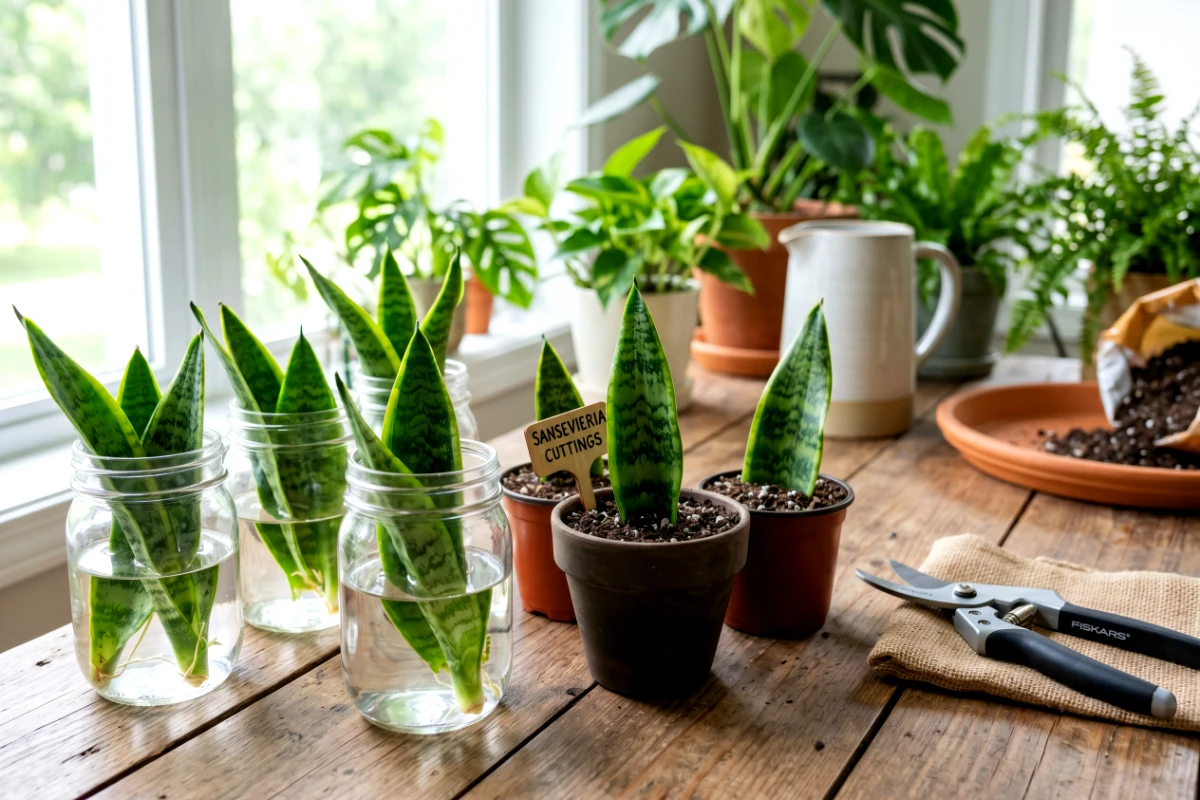
Want more plants? Everyone tries chopping a leaf and sticking it in a glass of water. It works. But it takes half a year to grow roots.
Worse, those striking yellow edges disappear entirely on water-propagated leaves. The new babies come up plain green.
Take a sharp knife instead. Yank the whole plant out of the pot and cut the thick, orange root clump right down the middle. Repot both halves. You keep the yellow stripes, and you skip the massive wait time. Bam. Two plants.
Pests and Problems
Snake plants are built like tanks. Bugs usually ignore them entirely.
But if you keep the soil soaking wet, you’ll invite fungus gnats. Those tiny, annoying black flies buzzing around your kitchen? Yeah, they lay eggs in wet soil.
Let the dirt dry out completely, and the gnats disappear. Simple as that.
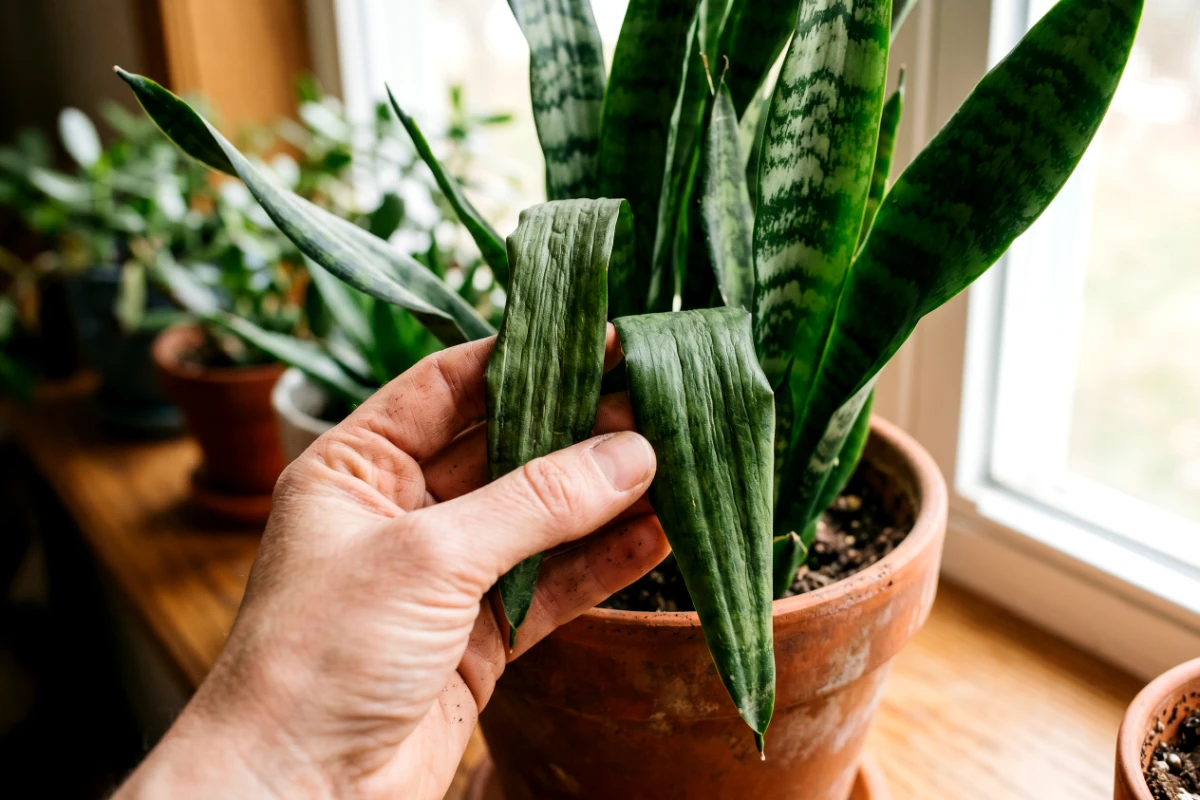
If the tall leaves start falling over and flopping over the edge of the pot, you have a problem. It usually means root rot from too much water, or the plant is desperately reaching for a light source.
FAQ: Quick Answers
Are snake plants toxic to pets?
Yes. Keep them away from cats and dogs who like to chew. The sap causes nausea and vomiting.
How fast do they grow?
Slowly. Even in perfect conditions, you might only get two or three new leaves a year.
Do they really clean the air?
NASA says yes. They actually release oxygen at night, making them fantastic bedroom plants.
Dust those big leaves with a damp cloth every month or so. It clears the pores so the plant can actually breathe and soak in the sunshine.


I love all the great facts you share about plants. I love plants and I didn’t get a chance to study about them but this website is such a resourceful place for me. Thank you for doing this!