
17 Best Air-Purifying Houseplants for Beginners (Easy-Care Guide)

Your house breathes. Carpets, paint, that new sofa, the cleaning spray under the sink, they all leak invisible stuff into the air you sit in every day.
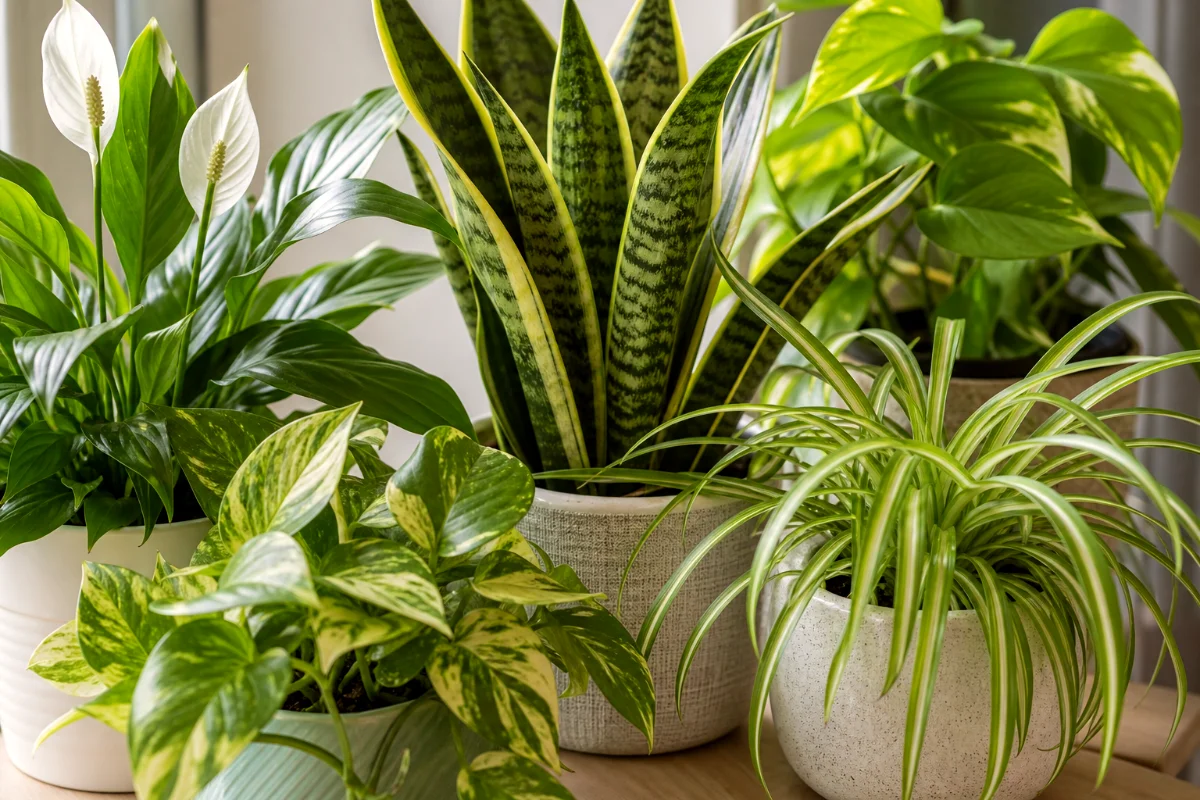
Plants help mop some of it up. They also make a room feel alive in a way nothing from a store ever will.
I’ve been growing things indoors and out for a long time, and I’ve killed my fair share along the way. So this guide skips the textbook talk. You’ll get the plant, where to park it, how much light and water it wants, and how badly you can neglect it before it sulks.
Let’s get your air a little cleaner.
First, a Straight Word About That Famous NASA Study
You’ve probably seen it. Back in 1989, NASA ran a study on houseplants and found they pulled chemicals like benzene, formaldehyde, and trichloroethylene out of the air. It’s where most of these “air-purifying plant” lists come from, including this one.
Here’s the catch nobody mentions. NASA ran that test inside small, sealed chambers, not a real living room with windows and doors.
A 2019 review of the research did the math for actual homes. The verdict? You’d need a small forest, dozens of plants packed into one room, to clean the air as well as simply cracking a window.
So don’t toss your air purifier. Think of these plants as a lovely bonus: they trim a bit of indoor gunk, they bump up humidity, and they make you feel good. That last one counts more than people admit.
Now, the list.
The 17 Best Air-Purifying Houseplants
1. Snake Plant (Sansevieria trifasciata)
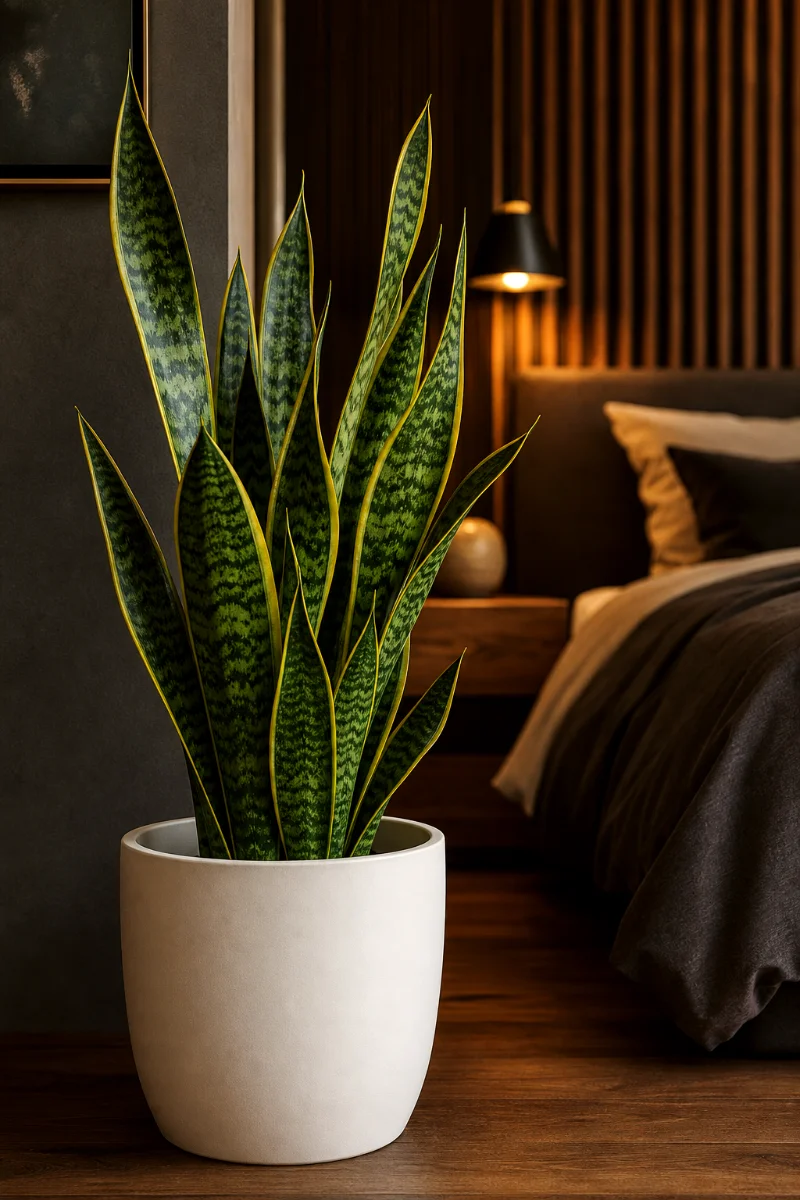
The tank of the plant world. You almost have to try to kill it.
Most plants rest at night, but this one keeps swapping carbon dioxide for oxygen after dark. That’s why it belongs in the bedroom.
- Light: Anything from dim corner to bright window
- Water: Every 2 to 3 weeks, and even less in winter
- Best spot: Bedroom, hallway, or that gloomy corner nothing else likes
Care level? Practically a houseplant for people who forget they own houseplants. The only way to lose one is to love it with too much water.
2. Spider Plant (Chlorophytum comosum)
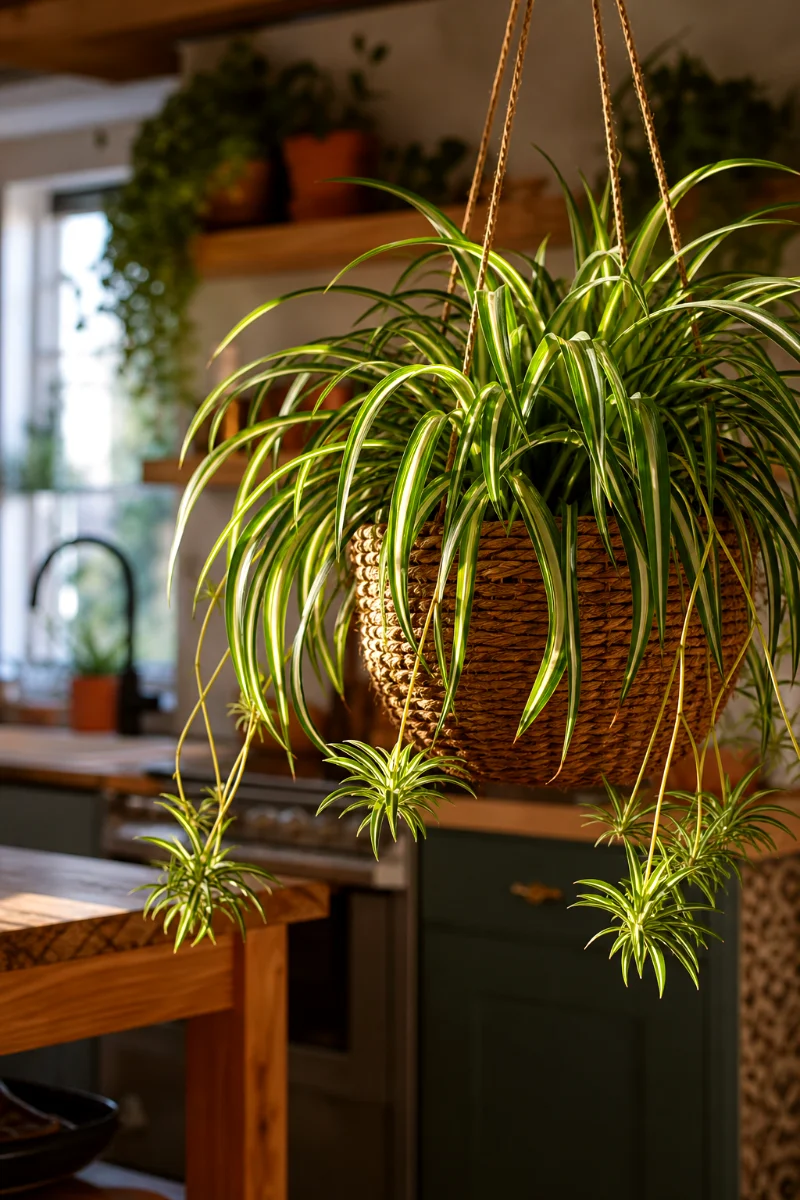
A workhorse, and one of the few on this list that’s safe if your cat likes to chew.
It goes after carbon monoxide and formaldehyde, and it throws off little baby plants (called pups) that dangle over the pot like a fountain. Snip one off, pop it in water, and you’ve got a free plant. I’ve gifted dozens of these.
Hang it near a bright window but out of direct sun. Water when the top inch of soil feels dry. Forgiving and fast to bounce back.
3. Peace Lily (Spathiphyllum)
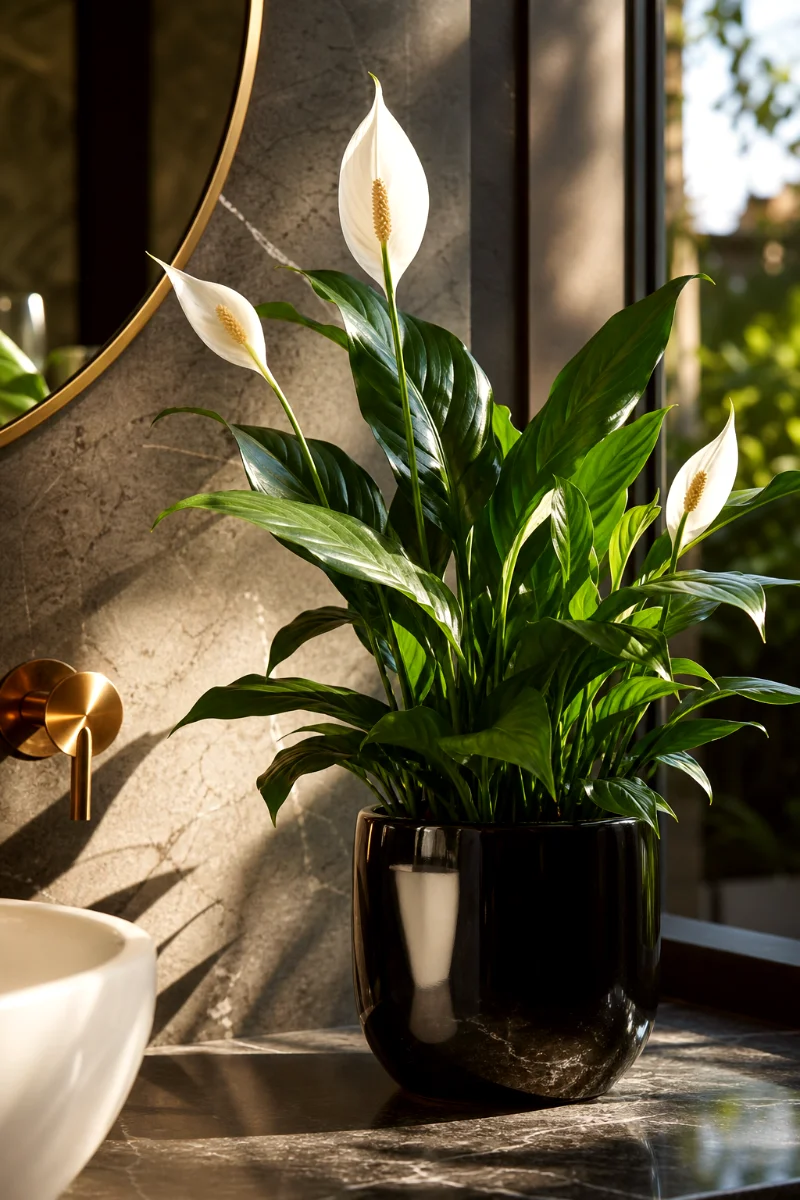
Elegant, dramatic, and a bit of a tattletale.
It tackles tough pollutants like benzene, ammonia, and trichloroethylene, and it rewards you with white blooms. Best part for beginners: when it’s thirsty, the whole plant droops like it’s fainting. Water it, and it perks right back up within hours.
Give it low to medium light. A bathroom or shaded living room is perfect since it loves humidity.
One warning. It’s toxic to pets and curious kids, so keep it up high.
4. Golden Pothos (Epipremnum aureum)
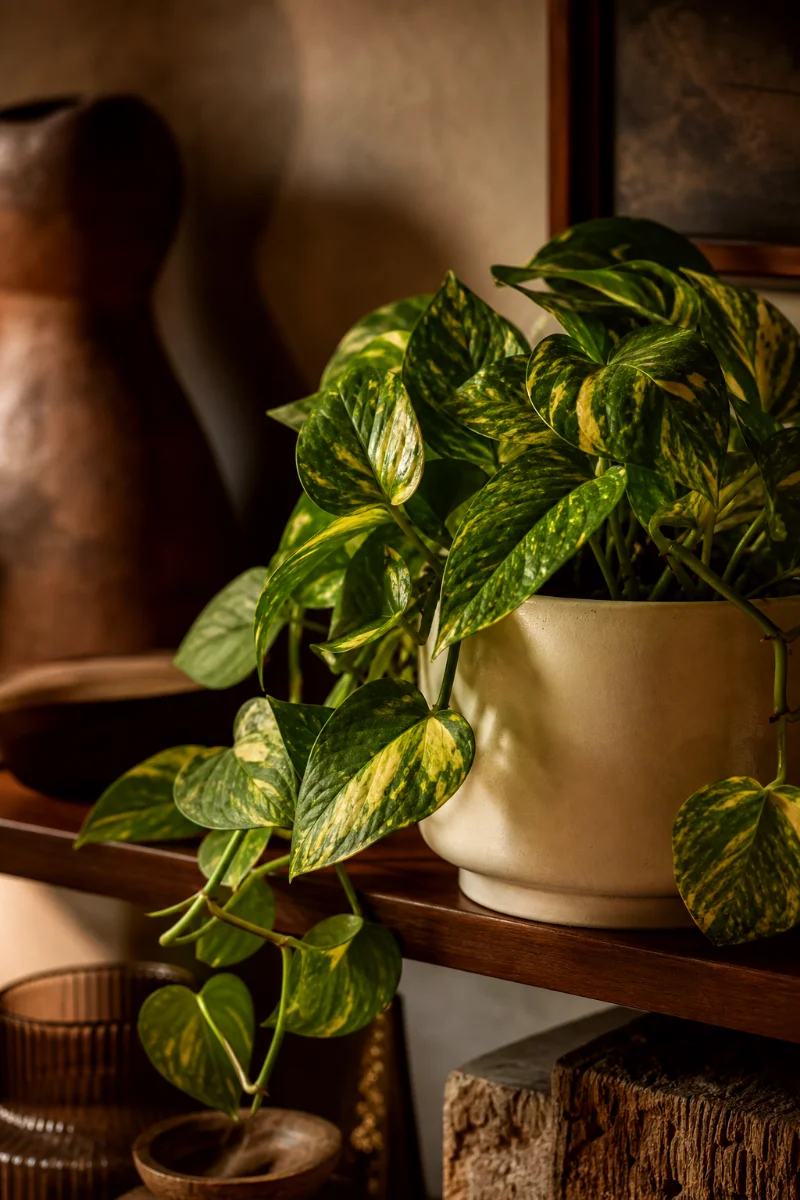
If you can’t keep this one alive, gardening might not be your thing (I say that with love).
A trailing vine that shrugs off low light, skipped waterings, and general neglect while quietly working on airborne formaldehyde. Let it cascade off a shelf or train it along a wall.
- Light: Low to bright, super flexible
- Water: When the top couple inches dry out
- Best spot: Bookshelves, high cabinets, anywhere it can spill down
It’s the plant I hand to every nervous beginner.
5. Areca Palm (Dypsis lutescens)
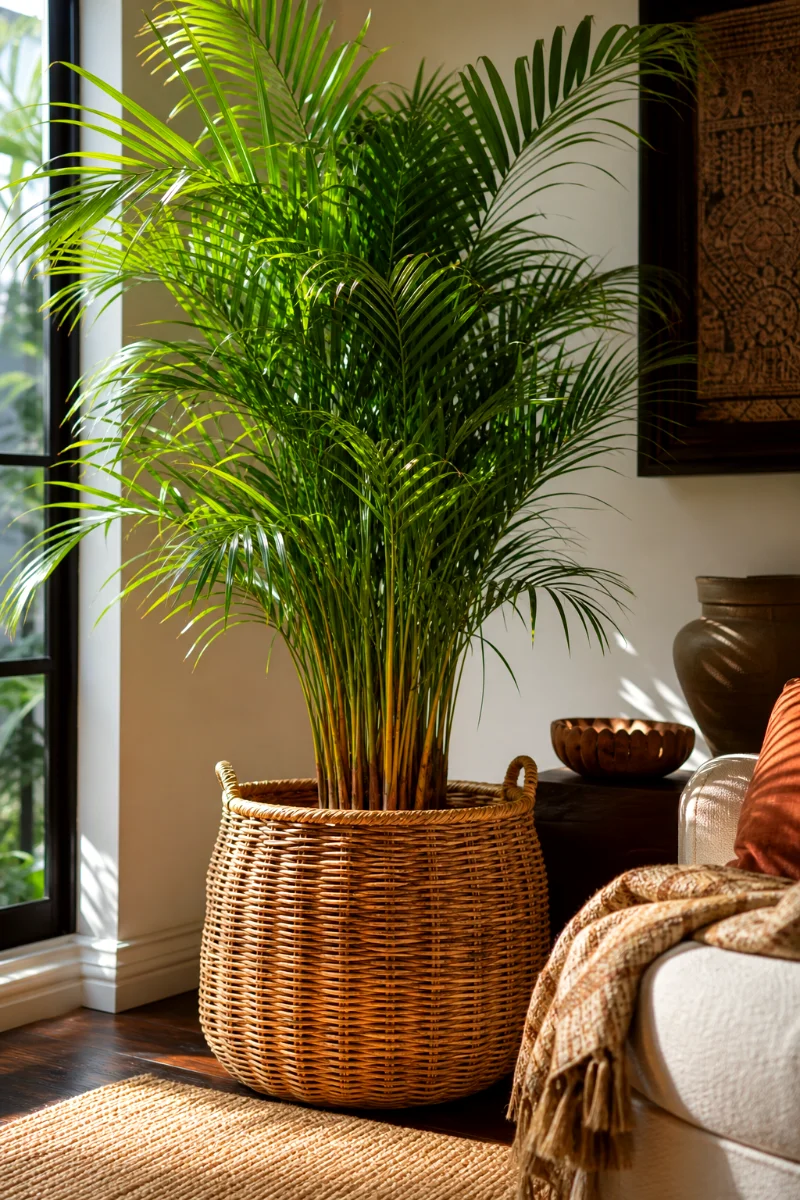
This big, feathery fella doubles as a natural humidifier, pumping moisture back into dry indoor air. Great if winter heating turns your home into a desert.
It filters xylene and toluene while it’s at it. Give it bright, indirect light and keep the soil lightly moist, never soggy. A bit fussier than the others here, so it’s a step up once you’ve got a few wins under your belt.
6. Boston Fern (Nephrolepis exaltata)
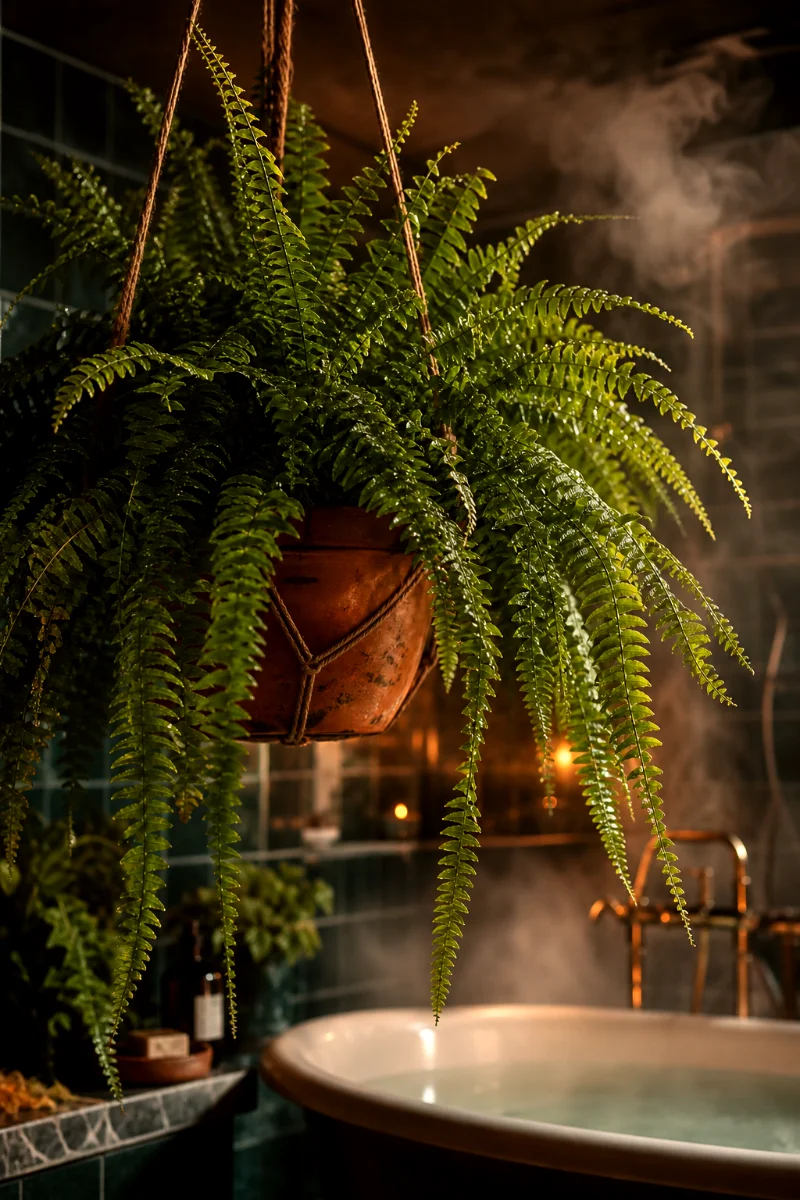
Lush, classic, and a champ at clearing formaldehyde and xylene.
But I’ll be honest. It’s needy. This fern wants humidity, and lots of it.
Park it in a bathroom with a window, mist it often, and never let the soil dry out fully. Get the moisture right, and it’ll reward you. Forget it for a week, and you’ll find a pile of crispy leaves.
7. Rubber Plant (Ficus elastica)
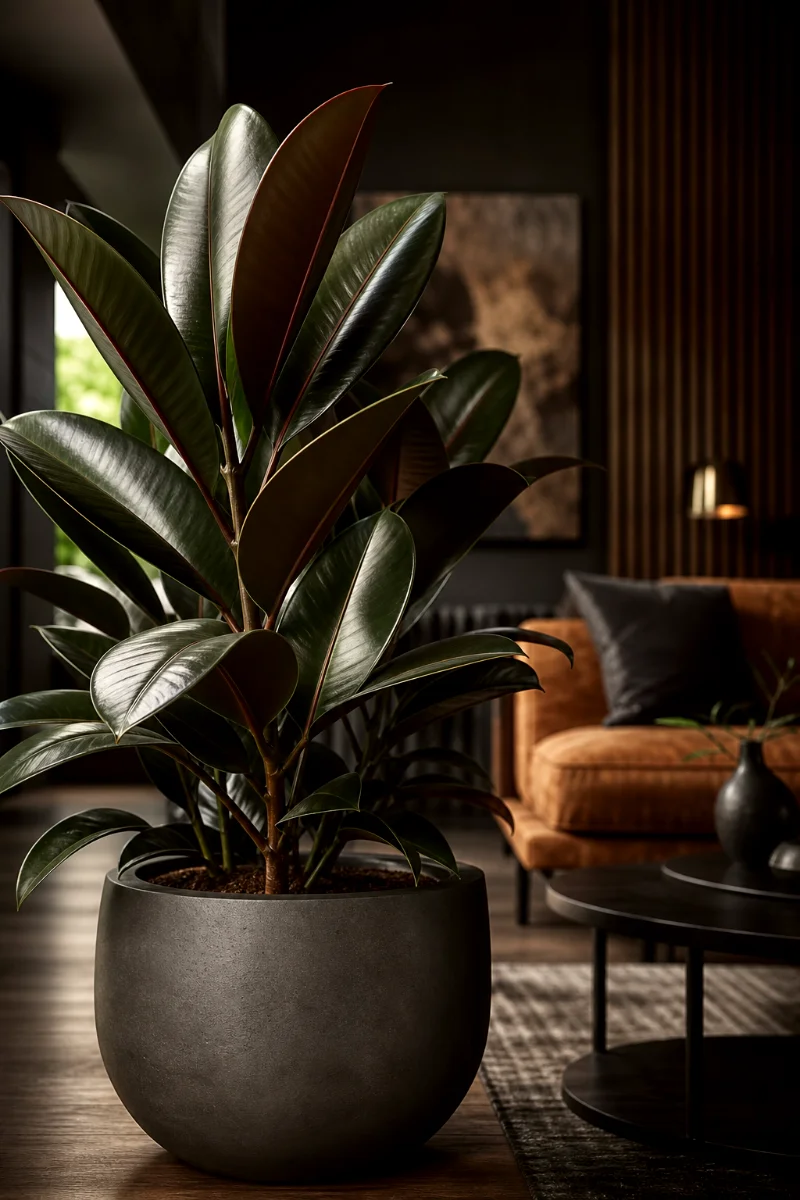
A bold statement piece with big, glossy leaves that soak up a lot of indoor toxins thanks to all that surface area.
It likes bright, indirect light and a drink only when the top inch of soil dries. Wipe the leaves now and then; dusty leaves can’t breathe or photosynthesize well. Easy once you nail the watering rhythm.
8. English Ivy (Hedera helix)
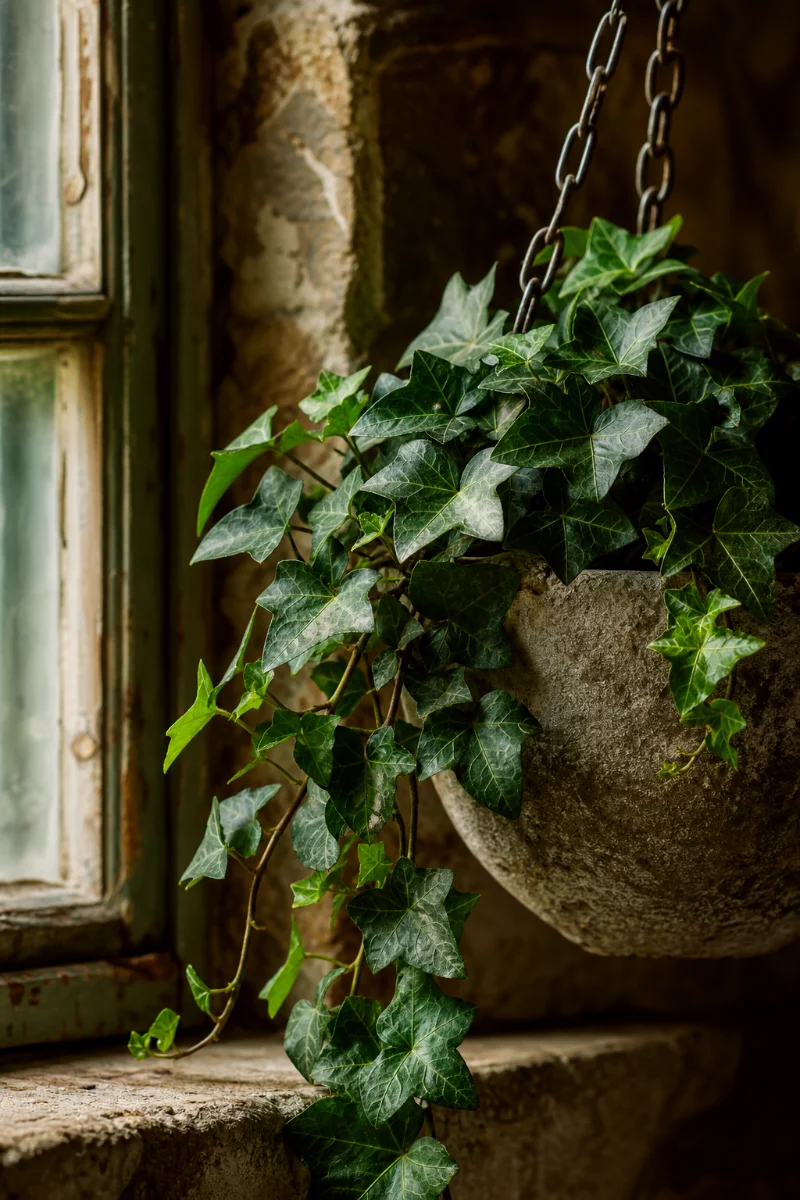
A climbing, cascading vine that’s been shown to knock down airborne mold spores, which makes it handy in damp rooms that tend to get musty.
Give it medium light and keep the soil evenly moist. It loves to trail from a high shelf or a hanging basket.
Two cautions from experience. It’s toxic to pets, and if you ever plant it outdoors, watch out, because it spreads like wildfire and can swallow a fence whole.
9. Aloe Vera (Aloe barbadensis)
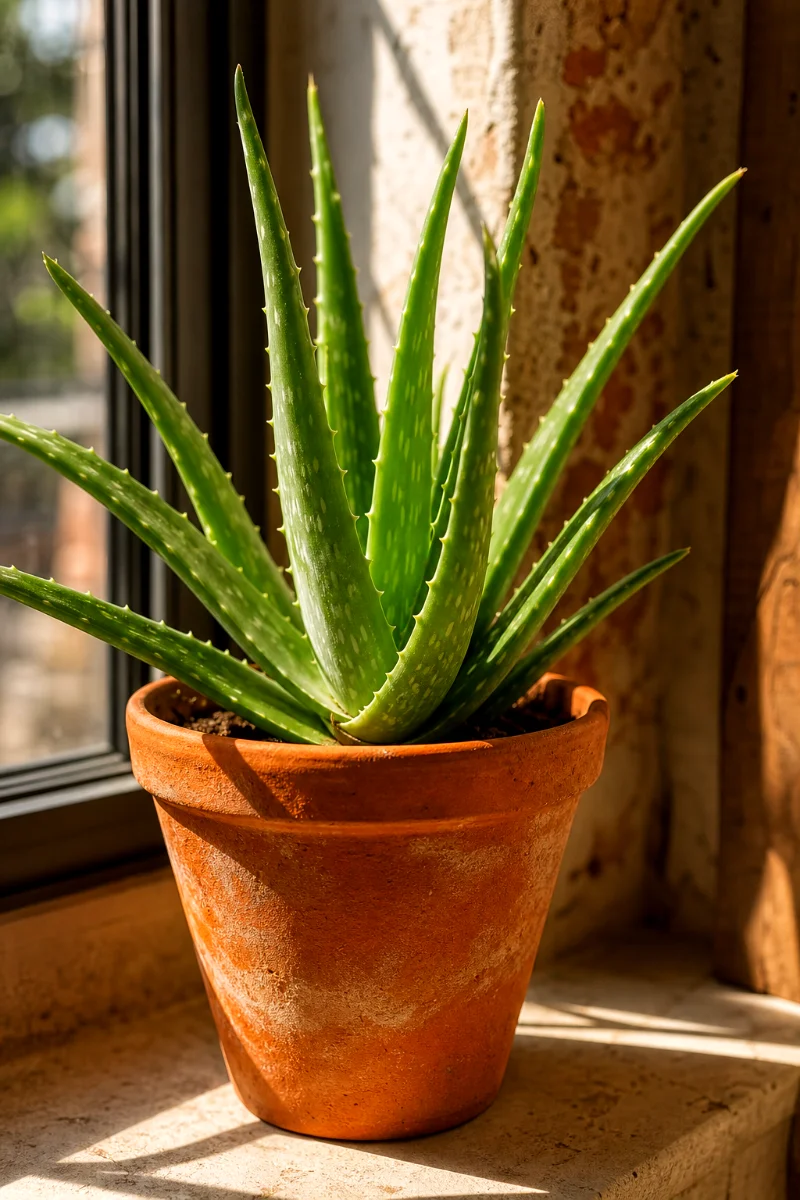
Two plants in one. It cleans a little air, and the gel inside soothes a kitchen burn.
You’ll hear that aloe “monitors” air quality by turning spotty when toxins climb. Take that with a grain of salt. In my experience, brown spots usually mean too much sun or too much water, not bad air. Still a brilliant beginner succulent though.
Set it on a sunny windowsill and water deeply but rarely, every few weeks. Treat it like the desert plant it is.
10. Chrysanthemum (Chrysanthemum morifolium)
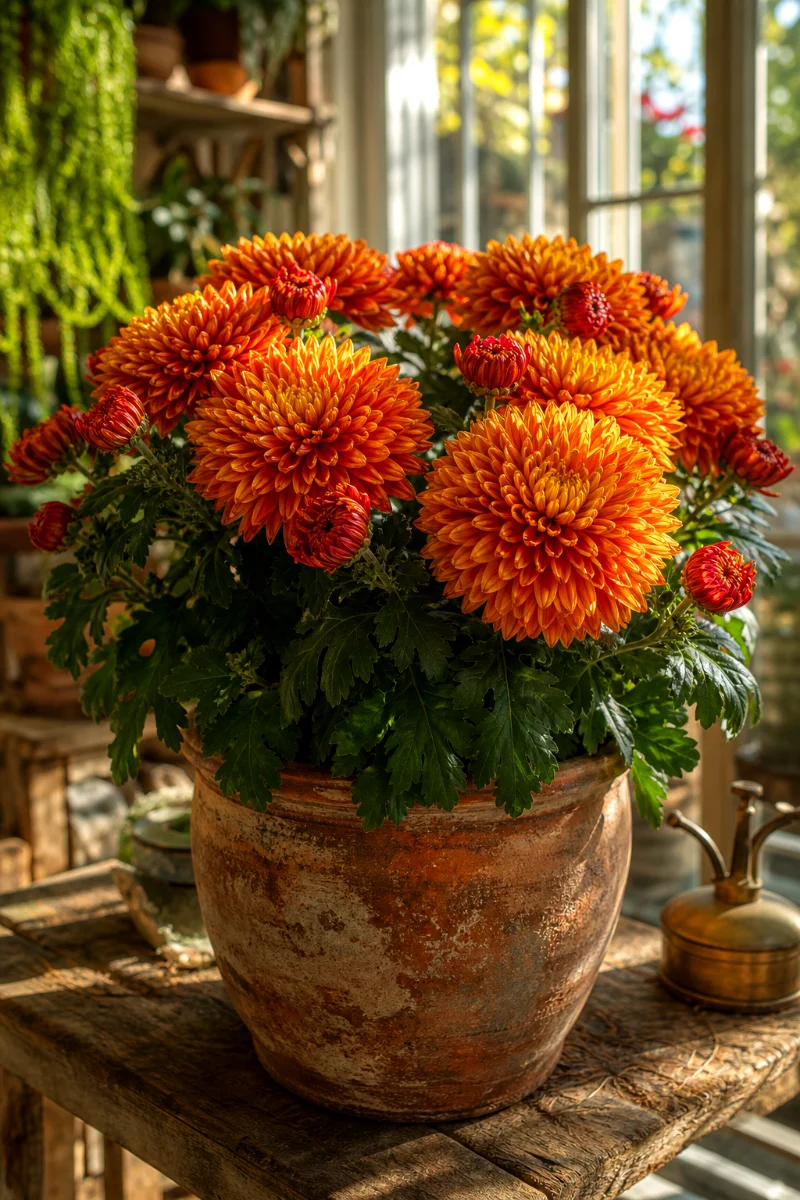
In those old studies, the humble mum scored at the very top for pulling the widest range of chemical pollutants out of the air.
So why isn’t it everyone’s first pick? Because indoors, it’s basically a flowering houseguest. It blooms beautifully for a few weeks, then fades.
Give it bright light while it’s flowering and keep the soil moist. Enjoy the show, then plant it outside in the garden where it can come back next year.
11. Bamboo Palm (Chamaedorea seifrizii)
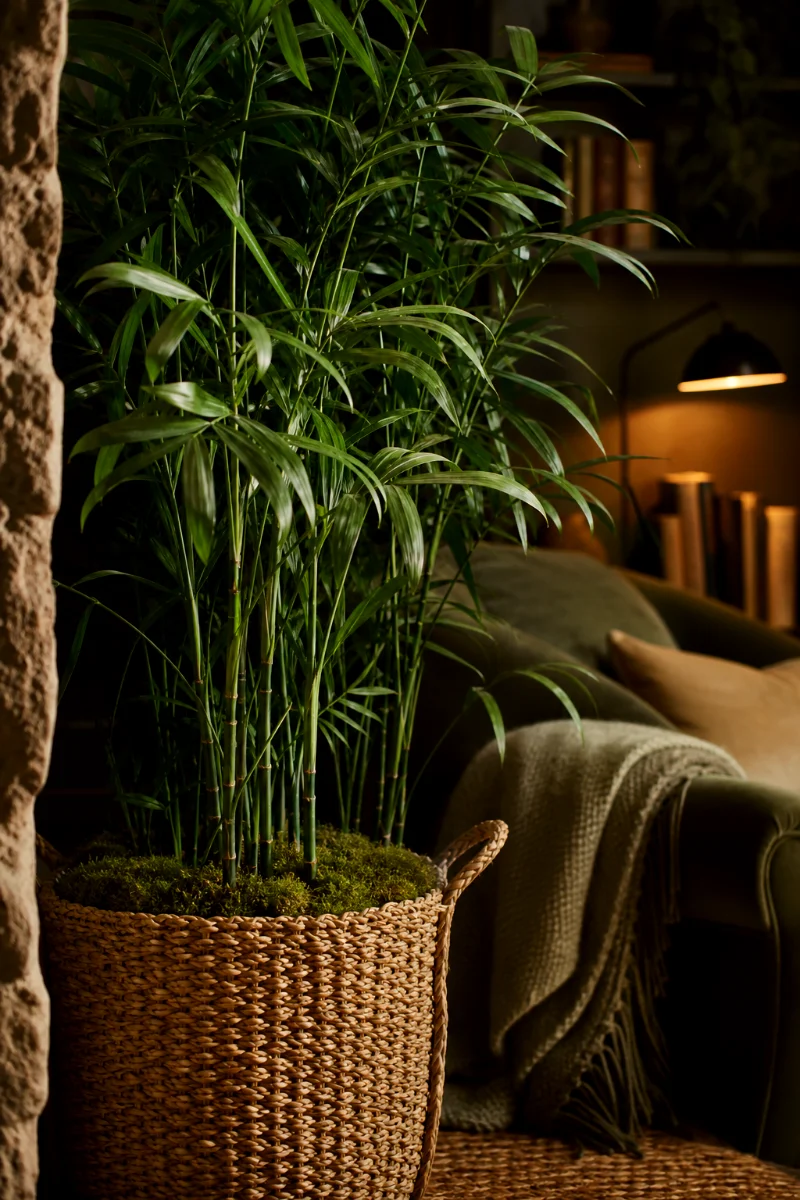
A shade-lover that filters benzene and formaldehyde without demanding a sunny spot.
That’s its gift. It actually thrives away from bright windows, so it fills those awkward, dim corners other plants hate. Keep the soil moist and it stays happy and bushy. Low drama, good size, beginner-friendly.
12. Weeping Fig (Ficus benjamina)
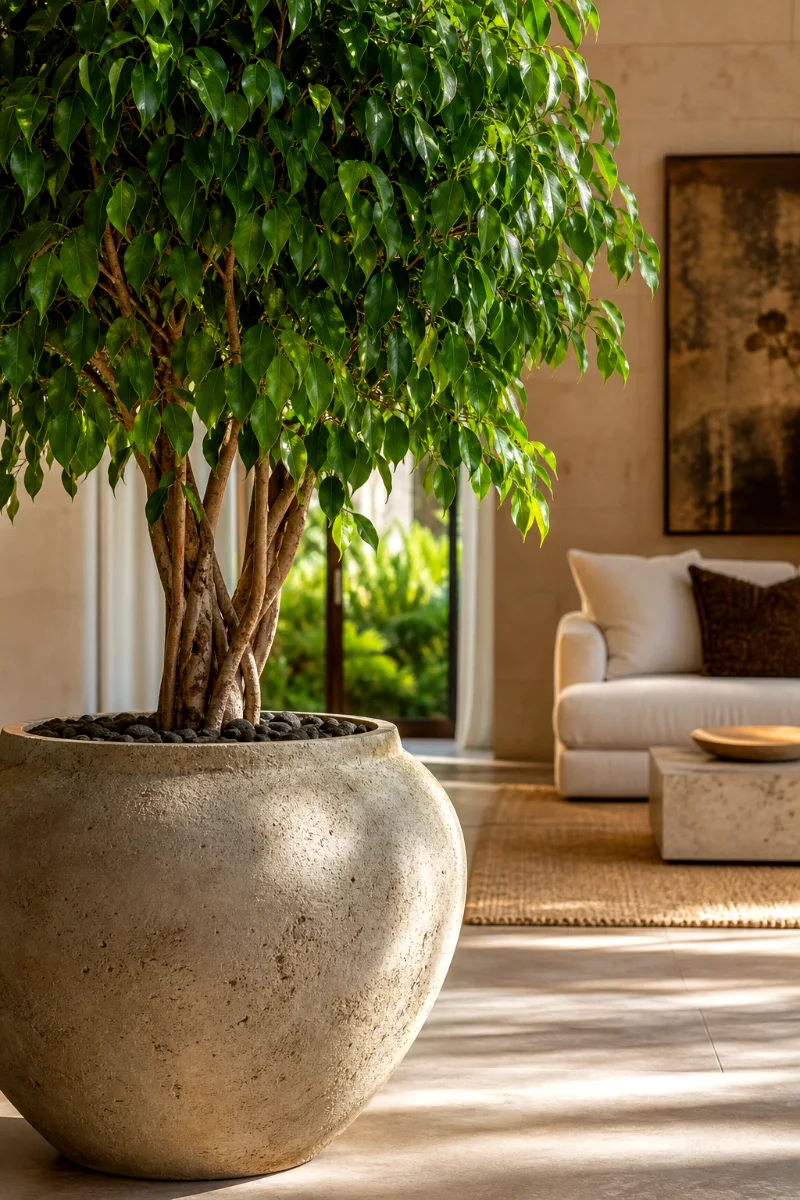
A graceful little indoor tree that targets the junk off-gassing from carpets and furniture fabrics.
Here’s the gardener’s secret about this one. It hates being moved. Shift it across the room and it’ll drop a bunch of leaves out of pure spite.
So pick its spot once, give it bright, indirect light, water when the top soil dries, and then leave it be. It settles down and grows lovely.
13. Chinese Evergreen (Aglaonema modestum)
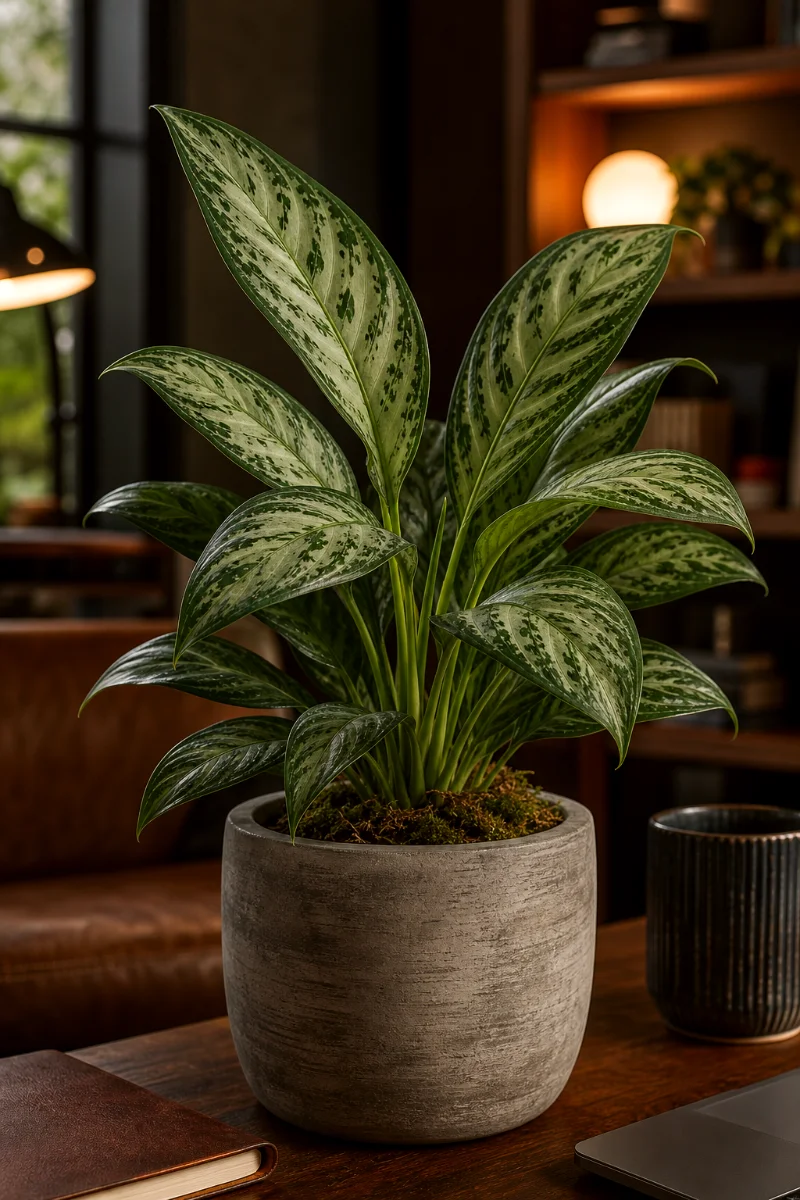
One of the toughest, prettiest low-light plants you can buy.
It slowly clears formaldehyde and benzene while tolerating the kind of dim, forgotten spots that kill pickier plants. The patterned leaves come in greens, silvers, even pinks.
- Light: Low to medium
- Water: When the top inch dries
- Best spot: Offices, north-facing rooms, dim hallways
A near-perfect starter plant.
14. Gerbera Daisy (Gerbera jamesonii)
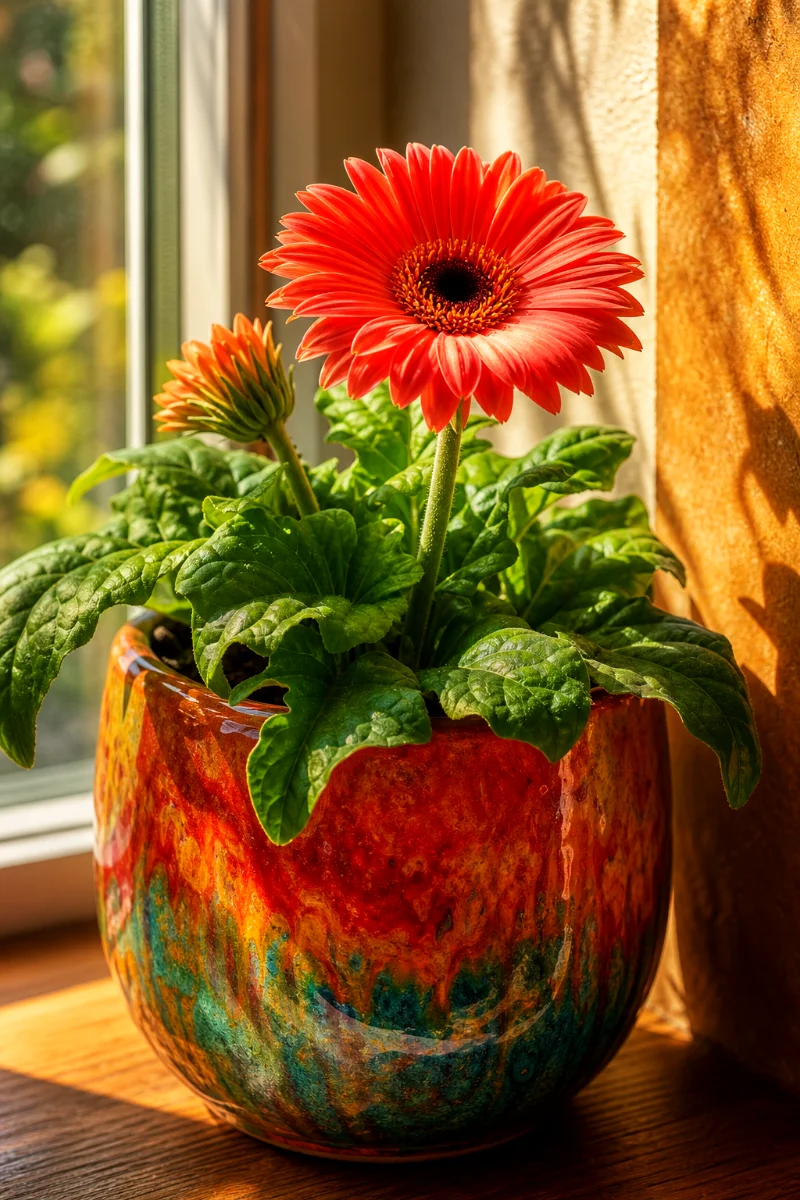
Cheerful, bright, and oddly good at filtering trichloroethylene, the chemical that hitches a ride home on dry-cleaned clothes.
So a Gerbera makes sense near a closet or laundry area. It wants plenty of direct sun and steady moisture to keep blooming. Like the mum, it’s more of a seasonal splash of color than a forever plant indoors, but boy is it worth it.
15. Dracaena Marginata (Dracaena reflexa var. angustifolia)
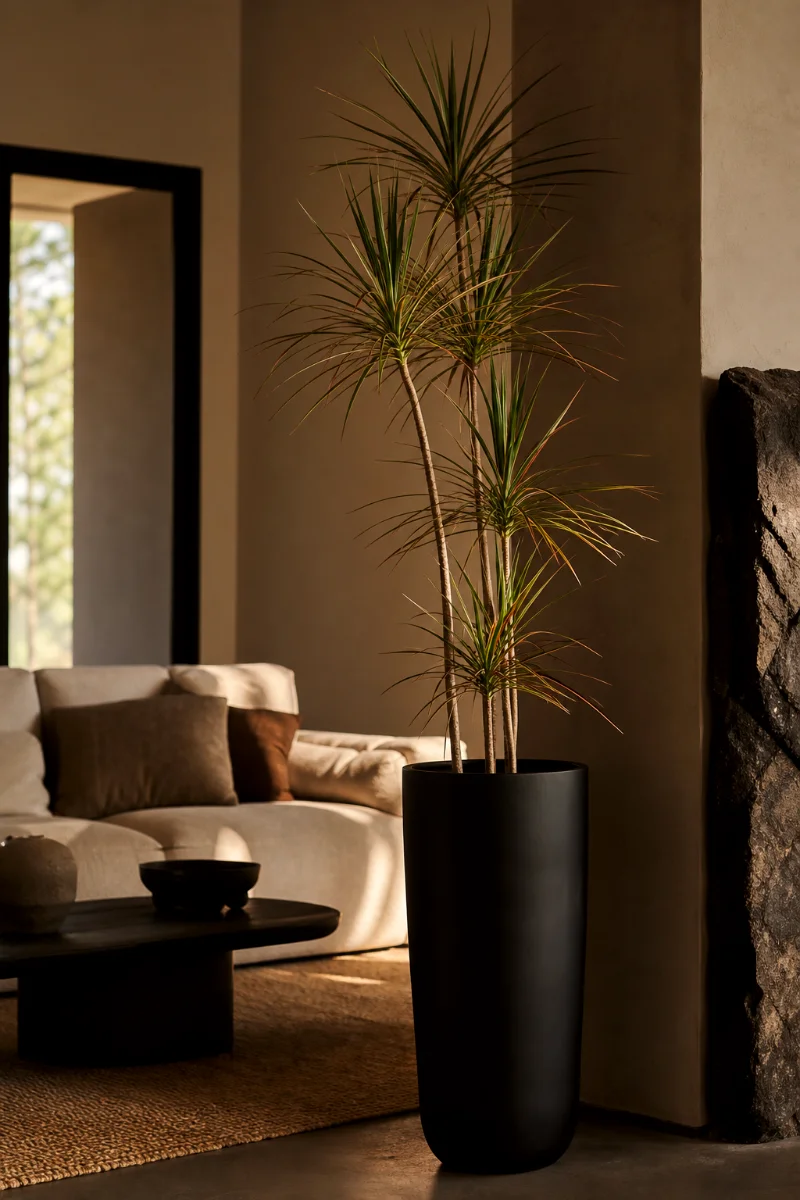
Spiky, architectural, with thin red-edged leaves that look great in a modern room.
It goes after xylene, trichloroethylene, and formaldehyde, a solid triple threat. Give it bright, indirect light and let it dry out a bit between drinks.
One tip: use filtered or rainwater if you can. Dracaenas are sensitive to the fluoride in tap water, which shows up as brown leaf tips. Easygoing otherwise.
16. Broadleaf Lady Palm (Rhapis excelsa)
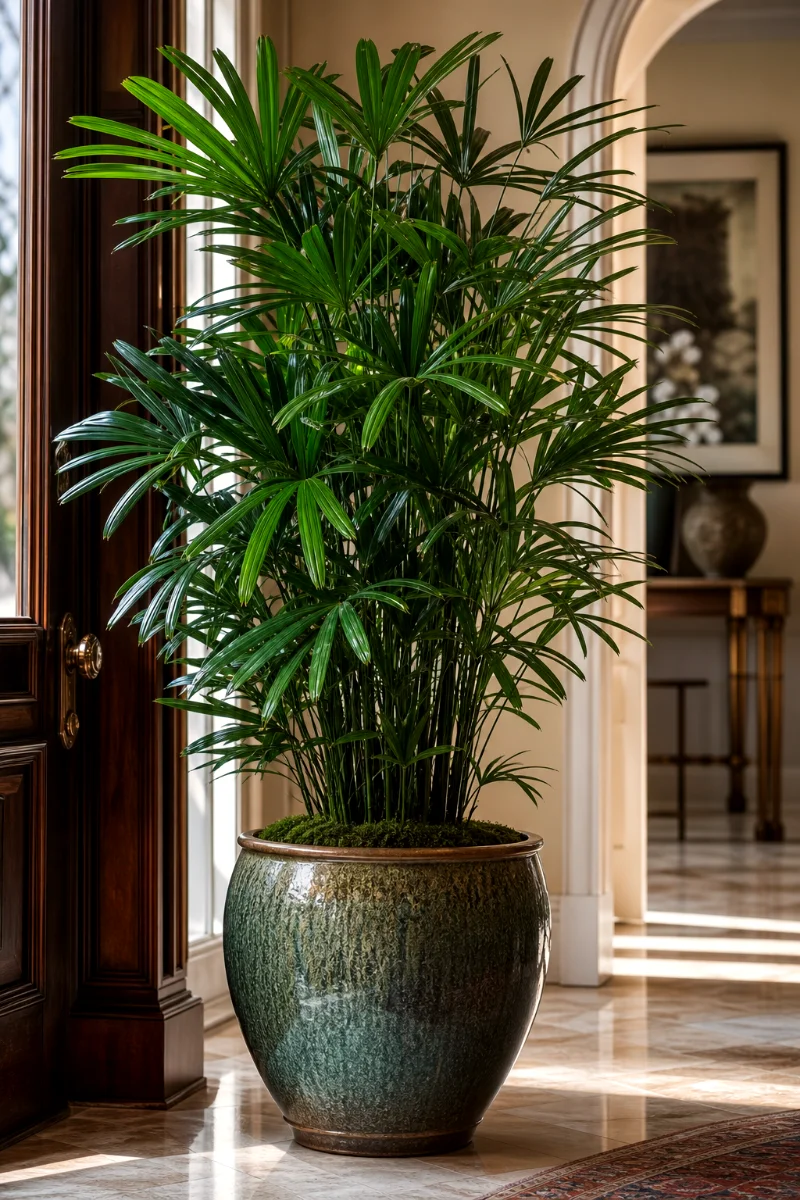
The slow, steady, classy one. It targets ammonia, the stuff in a lot of cleaning products.
What I love about it is how pest-resistant it is. Most bugs just leave it alone, which is a gift if you’ve ever fought spider mites. It’s slow-growing and not cheap, but it lasts for years.
Medium light, evenly moist soil, and a little patience. That’s all it asks.
17. Parlor Palm (Chamaedorea elegans)
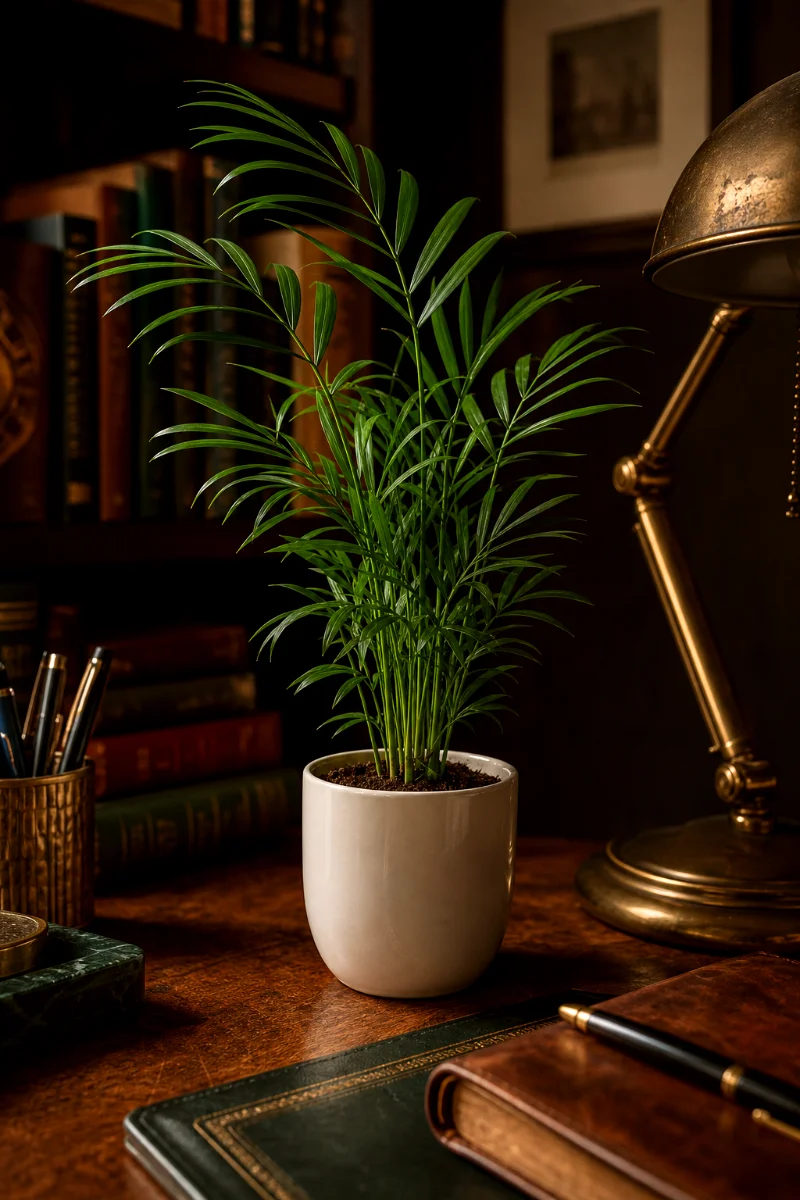
Rounding out the list with a Victorian favorite that’s been brightening dim parlors for over a century, hence the name.
It filters benzene and trichloroethylene and stays happily compact, so it fits on a desk or side table. Best of all, it puts up with low light and average care.
Give it indirect light, water when the top inch dries, and you’ve got an elegant little palm that won’t outgrow your apartment.
Where to Actually Put These Plants
Light is the thing beginners get wrong most. So here’s the cheat sheet, room by room.
Bedroom
Go for the Snake Plant or Peace Lily. The snake plant’s nighttime oxygen swap is a nice touch right where you sleep.
Bathroom
Humidity central. Your Boston Fern, English Ivy, and Peace Lily will love the steam from your shower.
Living Room
Big, bright, busy. Anchor it with a Rubber Plant, Areca Palm, or Weeping Fig for some height and presence.
Dim Corners and Offices
Don’t fight the shadows. Reach for Pothos, Chinese Evergreen, Bamboo Palm, or the Parlor Palm, all of which laugh at low light.
The Watering Rule That Saves Beginners
More houseplants die from kindness than neglect. I mean overwatering.
Stick your finger an inch into the soil. Dry? Water it. Still damp? Walk away and check tomorrow.
That one habit will save more plants than any fancy gadget. Trust the finger, not the calendar.
Frequently Asked Questions
How many plants do I need to clean a room’s air?
A lot more than you’d think, honestly. To match the old NASA results in a real home, you’d need dozens per room. So enjoy your plants for the calm and the greenery, and open a window for the heavy lifting.
Which air-purifying plant is hardest to kill?
The Snake Plant and Golden Pothos, no contest. Both forgive missed waterings, low light, and general forgetfulness. Perfect first plants.
Are these plants safe for pets?
Some are, many aren’t. The Spider Plant, Boston Fern, Areca Palm, and Parlor Palm are pet-friendly. But Peace Lily, English Ivy, Pothos, and Aloe are toxic if chewed, so keep those up high or out of reach.
Do air-purifying plants help with allergies?
A bit, yes. Plants like English Ivy can trim airborne mold spores. But if you’ve got serious allergies, pair plants with a real HEPA purifier for the best of both.
How often should I water indoor plants in winter?
Less. Way less. Plants slow down when daylight shrinks, so cut your watering roughly in half and always check the soil first.
Pick one plant from this list, the one that fits your light and your patience, and learn it well before you add a second. A single thriving plant beats a windowsill full of struggling ones every single time.


