How to Propagate Oregano: 3 Easy Ways for Beginners

Oregano is one of those generous herbs that practically begs you to make more plants. Give it a clean cut, a little moisture, and bright indirect light, and it usually gets on with the job.
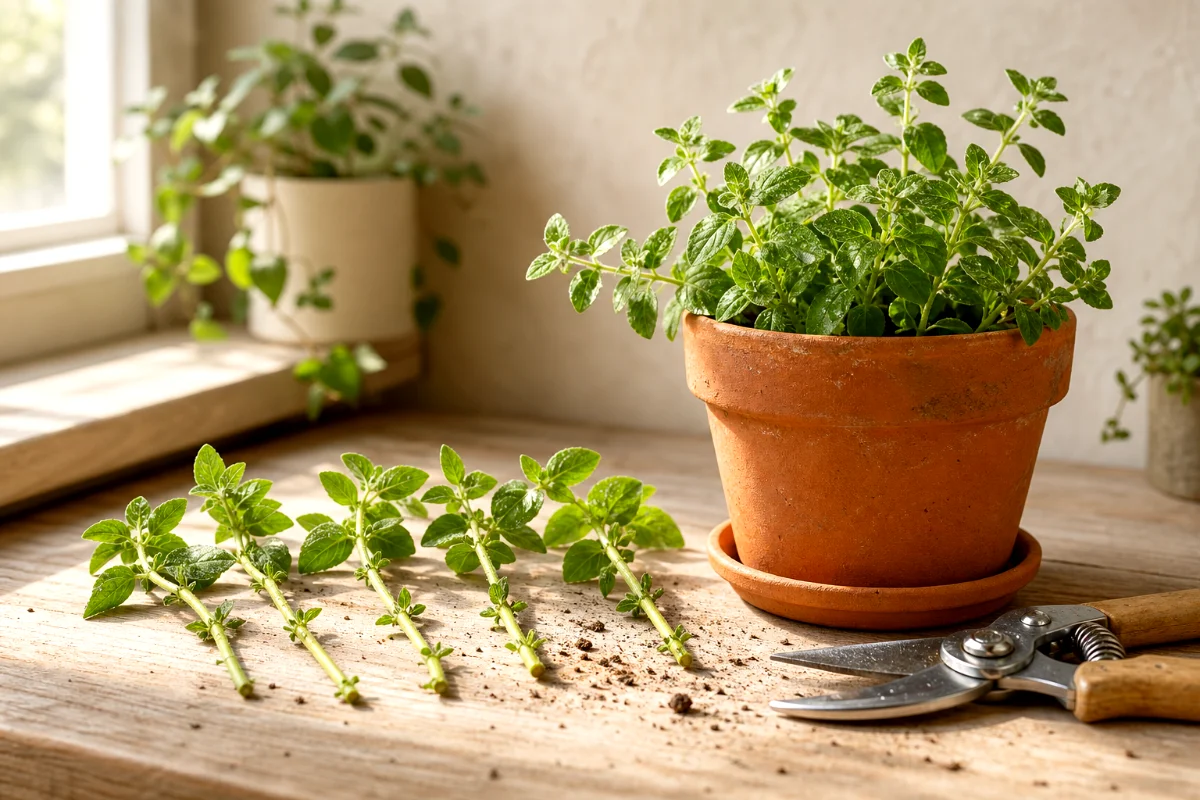
The easiest way to propagate oregano is to take 3 to 4 inch stem cuttings from a healthy, non-flowering plant, remove the lower leaves, and root the stems in water or moist potting mix. Roots usually appear in 2 to 3 weeks.
That’s the short version. But the small details matter.
Cut in the right spot. Keep leaves out of the water. Don’t drown the soil. Those little choices separate sturdy young oregano plants from sad limp stems on the windowsill.
What You’ll Need
You don’t need fancy gear. I’ve rooted oregano in an old jam jar, and it worked just fine.
- A healthy oregano plant
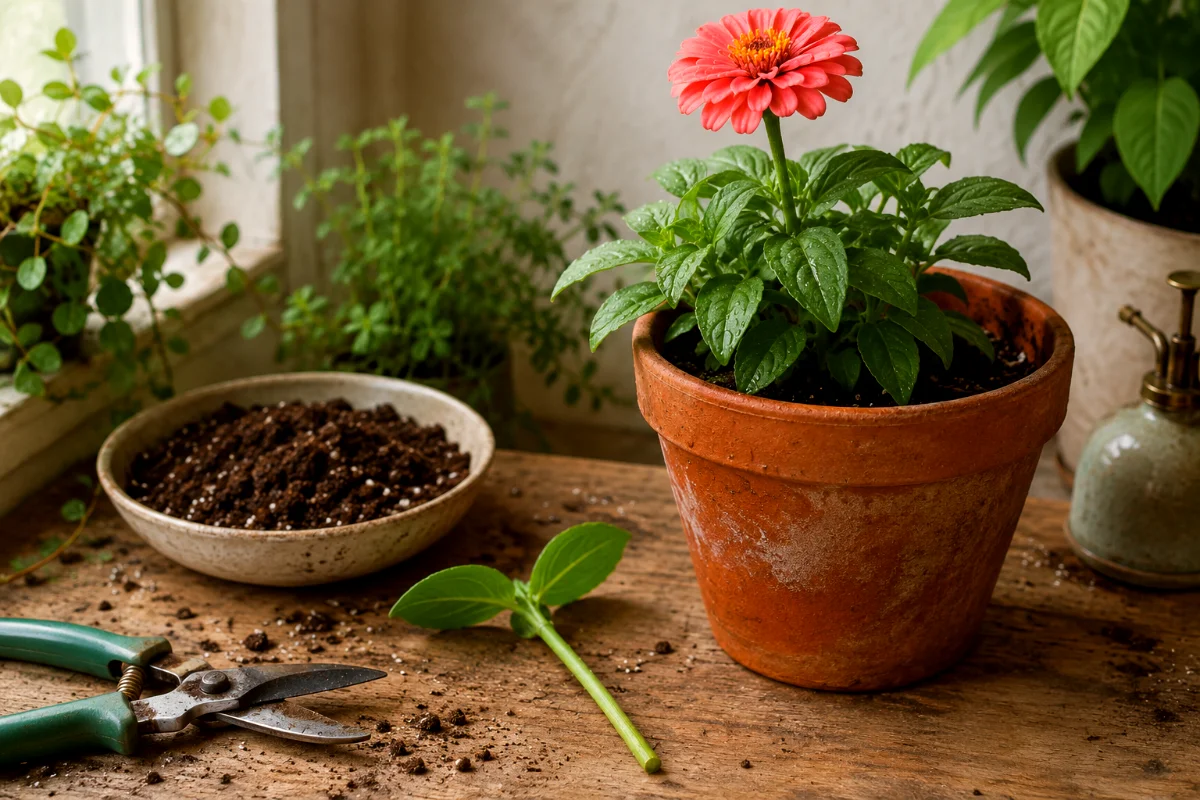
- Sharp, clean pruning shears or scissors
- A clear glass or jar for water propagation
- Small pots with drainage holes
- Moist, well-draining potting mix
- Rooting hormone, optional
- A pencil or chopstick for making holes in soil
- A bright spot out of harsh direct sun
Clean shears matter more than people think. A ragged cut dries out faster and gives disease an easy opening. So give your blades a quick wipe before you start.
Best Time to Propagate Oregano
The best time to propagate oregano is during the growing season, especially spring to early summer. The plant has fresh energy then, and the stems root faster.
You can also divide mature oregano in early fall if the weather stays mild. I don’t like dividing herbs during blazing summer heat. It’s hard on the plant, and frankly, it’s hard on the gardener too.
Choose a day when the plant looks perky. Morning works well because the stems hold more moisture before the sun leans on them.
Pick the Right Oregano Stems
Look for stems that are healthy, green, and not flowering. Flowering stems put their energy into blooms and seed, not roots.
A good cutting has:
- 3 to 4 inches of stem
- Several sets of leaves
- No flowers or flower buds
- No yellowing, spots, or pest damage
- A firm but flexible feel
Cut just below a leaf node. That’s the little bump where leaves grow from the stem. Roots love to form around nodes, so don’t cut randomly in the middle of a bare stretch.
And yes, it feels tiny. That’s fine. Oregano roots better from small, fresh cuttings than from long woody pieces that sulk for weeks.
Method 1: Water Propagation, the Easiest Way
If you’re brand new to propagation, start with water. You can see the roots forming, which makes the whole thing feel less mysterious.
Step 1: Take 3 to 4 Inch Cuttings
Use sharp shears to cut stems from a healthy, non-flowering oregano plant. Make each cut just below a leaf node.
Take a few more cuttings than you think you need. Not every cutting roots perfectly, and oregano is forgiving enough that this isn’t wasteful.
Step 2: Remove the Lower Leaves
Strip the leaves from the bottom half of each stem. Keep the top leaves in place so the cutting can still make food.
Here’s the part beginners often miss: no leaves should sit below the waterline. Submerged leaves rot. Then the water clouds up, the cutting smells odd, and the whole jar turns into a tiny swamp.
Step 3: Place the Cuttings in Water
Set the prepared stems in a glass or jar with enough water to cover the bare lower nodes. Keep the leafy tops above the rim.
A clear jar helps you watch root growth, but don’t place it in hard direct sun. Bright indirect light is perfect.
Step 4: Change the Water Every Few Days
Refresh the water every few days. It only takes a minute, and it keeps mold and bacteria from building up.
If a cutting turns black or mushy, toss it. Don’t try to rescue it. One rotten stem can foul the water for the others.
Step 5: Transplant When Roots Reach 1 to 2 Inches
Roots usually appear in 2 to 3 weeks. Wait until they reach about 1 to 2 inches long, then pot the cuttings into a moist, well-draining potting mix.
Don’t wait until the jar looks like a white root wig. Water roots can struggle when moved into soil if they get too long and tangled.
Method 2: Soil Propagation, Best for Faster Establishment
Soil propagation skips the water stage. The cuttings form roots directly in potting mix, so they often settle faster after rooting.
But you can’t see the roots. That bothers some people. I get it.
Step 1: Prepare Your Oregano Cuttings
Take 3 to 4 inch stem cuttings just like you would for water propagation. Remove the lower leaves from each stem.
Leave a few leaves at the top, but don’t leave a big leafy flag. Too much foliage makes the cutting lose water faster than it can replace it.
Step 2: Use Rooting Hormone if You Want
Dip the cut end into rooting hormone if you have it. Tap off the extra powder.
Do you need it? No. Oregano usually roots without drama. But rooting hormone can speed things along, especially if your cuttings came from a slightly older plant.
Step 3: Plant the Stems in Moist Potting Mix
Fill a small pot with moist, well-draining potting mix. Use a pencil or chopstick to make planting holes.
Slide each cutting into a hole and firm the mix gently around the stem. Don’t jam the cutting straight into packed soil, or you may scrape off the rooting hormone and bruise the stem.
Step 4: Keep Soil Moist, Not Soggy
Keep the soil lightly moist while the cuttings root. Not wet. Not muddy. Moist.
Oregano hates sitting in soggy soil once it grows up, and the cuttings aren’t thrilled by it either. Good drainage keeps the stems from rotting before roots can form.
Step 5: Watch for New Growth
Roots usually form in 2 to 3 weeks. New growth tells you the cutting has started working below the soil.
You can also tug very gently on a cutting. If you feel resistance, roots have likely formed. Don’t yank. This isn’t a strength test.
Method 3: Division for Mature Oregano Plants
Division works best for older oregano plants with woody centers or crowded roots. If your plant looks tired in the middle but strong around the edges, division can refresh it.
Do this in early spring or fall. Cooler weather gives the plant time to recover without heat stress.
Step 1: Dig Up the Whole Plant
Water the plant lightly the day before if the soil is dry. Then dig around the oregano clump and lift the whole root ball.
Try to keep as many roots intact as you can. A garden fork works well because it loosens the soil without slicing through everything.
Step 2: Split the Root Ball
Gently pull the plant into smaller sections. If the roots are tough and woody, use a sharp knife.
Each section needs roots and healthy top growth. Tiny rootless bits won’t do much except make you feel hopeful for three days.
Step 3: Replant Right Away
Replant the sections immediately in pots or garden beds. Space plants 12 to 18 inches apart so they have room to spread.
Water them in well, then let the soil begin to dry slightly between waterings. Oregano wants help getting settled, not a daily soaking.
Water vs Soil Propagation: Which Should You Choose?
Choose water propagation if you want the easiest, most beginner-friendly method. You’ll see the roots, and that’s reassuring.
Choose soil propagation if you want cuttings that adjust faster to pot life. It feels less exciting at first, but the plants often establish neatly.
Choose division if you already have a big, mature oregano plant that needs thinning. It gives you usable plants right away.
My honest pick? Start oregano cuttings in water the first time. After you’ve seen how easily they root, try soil next. Confidence grows right along with the plants.
How to Transplant Rooted Oregano Cuttings
Once water-rooted oregano cuttings have roots about 1 to 2 inches long, move them into potting mix. Don’t leave them floating forever.
Use a small pot with drainage holes. Fill it with a light, well-draining mix. Make a hole, lower the roots in carefully, and firm the soil around the stem.
Water once to settle the mix. Then place the pot in bright indirect light for a few days while the cutting adjusts.
After that, slowly increase sun exposure. Oregano likes sun, but tender young cuttings can scorch if you move them from a cozy windowsill straight into harsh afternoon light.
Oregano Propagation Tips I Wish Every Beginner Knew
- Use non-flowering stems. They root faster because they haven’t shifted energy into blooming.
- Keep cuttings warm. A bright, warm room speeds rooting, while a chilly sill slows everything down.
- Avoid direct sun at first. Cuttings lose moisture quickly before they have roots.
- Don’t overwater soil cuttings. Wet soil causes rot faster than it encourages roots.
- Use a humidity cover for soil cuttings. A loose plastic bag over the pot helps for the first few days, but open it daily for airflow.
- Prune established plants often. Frequent trimming encourages bushier growth and more harvests.
One more thing. Oregano grows best when you don’t baby it too much after it’s established. Rich, soggy soil can make it weak and bland. Leaner soil and good sun bring out stronger flavor.
Common Mistakes When Propagating Oregano
Leaving Leaves Underwater
This is the big one. Leaves sitting in water rot quickly, and that rot can spread to the stem.
Strip the lower half clean before placing cuttings in a jar.
Taking Woody Stems
Old woody stems root slowly, if they root at all. Pick fresh, flexible growth for cuttings.
If your whole plant has gone woody, division may work better than cuttings.
Putting Cuttings in Hot Sun
Fresh cuttings don’t have roots yet, so they can’t replace water fast enough. Direct sun wilts them fast.
Bright indirect light gives them energy without cooking them.
Keeping Soil Too Wet
Moist soil helps roots form. Soggy soil rots stems.
Use pots with drainage holes, and don’t let them sit in a saucer full of water.
When Can You Plant Oregano Outside?
Plant rooted oregano outside after the cuttings show new growth and the weather has settled. If nights still feel cold, wait.
Harden off the plants first. Set them outside in a sheltered spot for a few hours a day, then gradually increase their time outdoors over about a week.
In the garden, choose a sunny spot with well-draining soil. Space plants 12 to 18 inches apart. Oregano spreads, and cramped herbs turn scraggly faster than you’d expect.
How to Care for New Oregano Plants
Once your new oregano plants settle in, treat them like Mediterranean herbs, not thirsty lettuce.
- Give them plenty of sun once established
- Water when the top inch of soil feels dry
- Avoid heavy fertilizer
- Pinch tips often to encourage branching
- Trim before flowering for the best leaf flavor
Frequent pruning keeps oregano bushy. It also stops the plant from turning into a long, woody tangle with leaves only at the ends.
Harvest lightly at first. Once the plant grows strongly, you can cut stems regularly and let it push out fresh side shoots.
FAQ
Can you propagate oregano from store-bought stems?
Sometimes, yes, if the stems are fresh, green, and not treated. Remove the lower leaves and try rooting them in water.
But garden cuttings from a living plant root more reliably. Grocery herbs often sit too long before you bring them home.
How long does oregano take to root?
Oregano usually roots in 2 to 3 weeks. Warmth, bright indirect light, and fresh cuttings help speed things up.
Is it better to root oregano in water or soil?
Water is easier for beginners because you can see the roots. Soil often gives you stronger establishment after rooting.
Both methods work. Pick the one you’ll actually check on.
Can oregano cuttings go straight into the garden?
You can try it in mild weather, but pots give better control over moisture and light. I’d root them in water or small pots first.
Why are my oregano cuttings wilting?
They may be getting too much sun, too little moisture, or too much leaf growth for the stem to support. Move them to bright indirect light and trim excess lower leaves.
Should I cover oregano cuttings with a plastic bag?
For soil propagation, a loose plastic bag can help hold humidity during the first few days. Open it daily so the cuttings don’t mold.
When can I harvest from propagated oregano?
Wait until the plant shows strong new growth. Then pinch small amounts at first. Regular light pruning makes the plant fuller over time.