15 Herbs You Can Grow in Water (No Soil Required)

Have you ever bought a beautiful bunch of basil for a single recipe, only to watch the leftovers wilt in your fridge? Stop throwing your fresh produce and money away. You don’t need a sprawling backyard, a green thumb, or messy bags of potting soil to cultivate a thriving indoor garden.
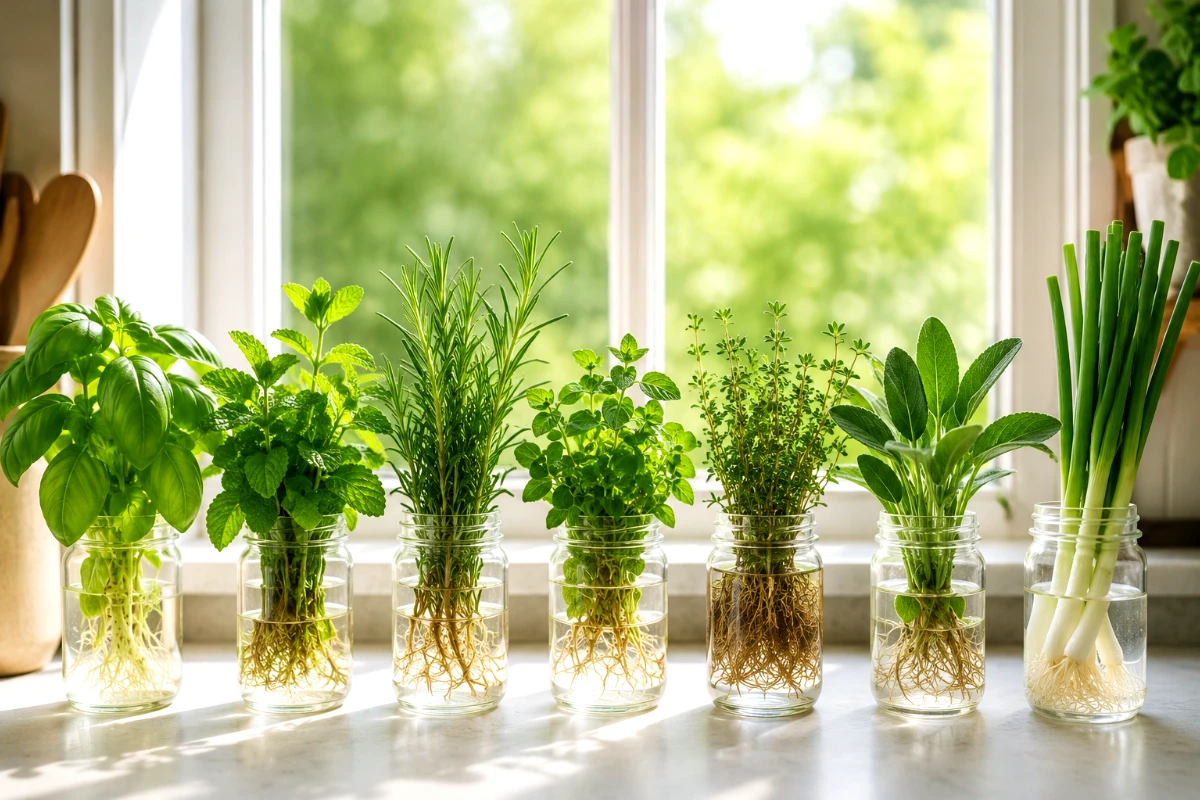
You just need a glass jar, a sunny window, and some fresh tap water.
Water propagation is the ultimate hack for apartment dwellers and gardening beginners. It allows you to root plant cuttings directly in water, giving you a continuous supply of fresh flavors right at your fingertips. Let’s break down the exact method to turn your kitchen scraps into a permanent, soil-free indoor garden.
The Soil-Free System: How to Get Started
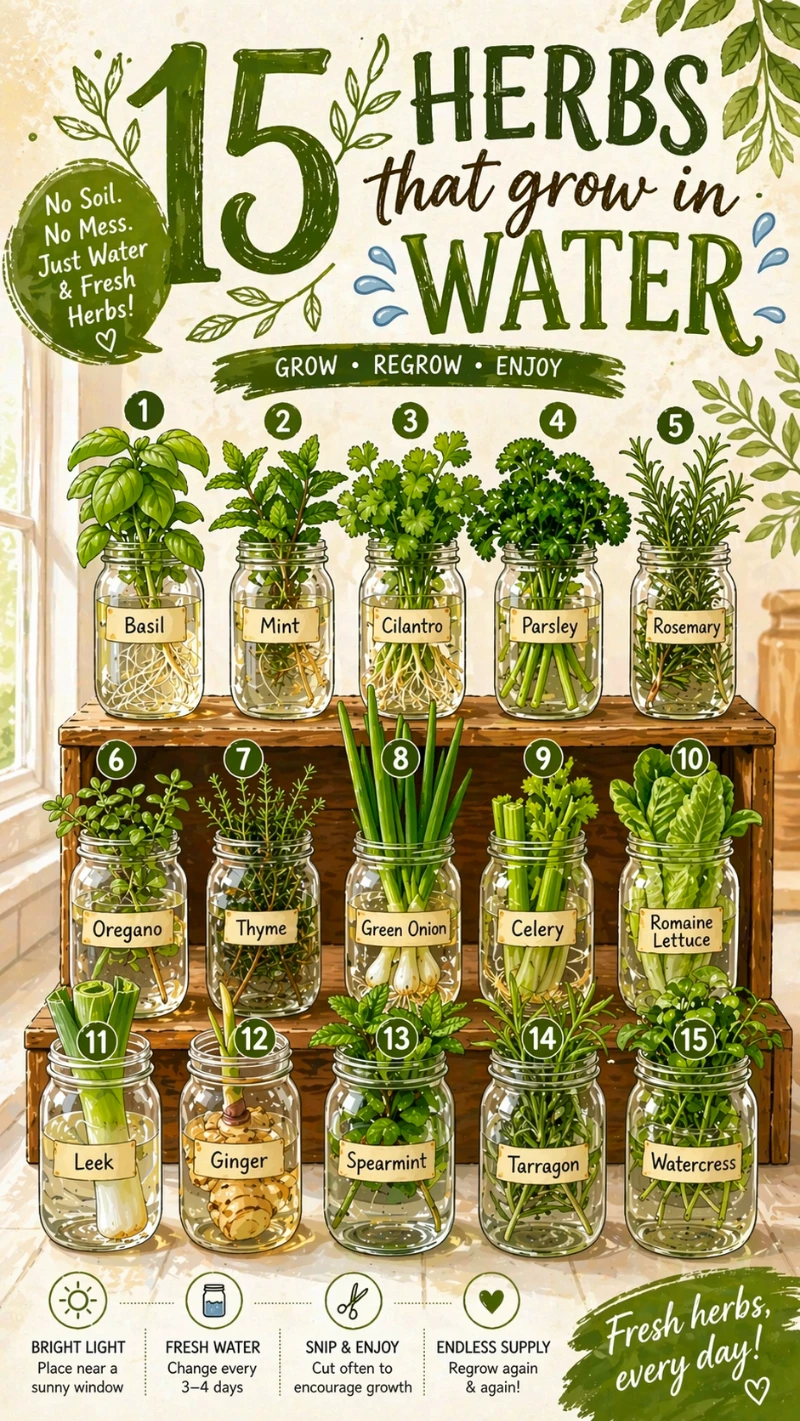
Growing plants in water relies on a few core principles. If you master these three simple rules, you will see explosive root growth in no time.
- Find Bright Light: Your cuttings need energy to push out new roots. Place your jars near a sunny window that receives plenty of bright, indirect sunlight. Too much harsh, direct afternoon sun can actually boil the water and scorch delicate leaves, so aim for a bright but protected spot.
- Provide Fresh Water: Stagnant water breeds bacteria and starves your cuttings of oxygen. Change the water entirely every 3 to 4 days. Rinse the jar and gently rinse the plant’s roots under the tap to keep everything fresh and healthy.
- Snip & Enjoy: Don’t be afraid to harvest! Cutting your herbs frequently actually encourages the plant to branch out and produce thicker, bushier growth. Just avoid taking more than a third of the plant at any one time.
Expert Pro-Tip: When taking a cutting from an existing herb, always snip just below a “node”—the little bump on the stem where leaves emerge. This node contains a high concentration of rooting hormones. Strip the bottom leaves off before placing the stem in water; submerged leaves will quickly rot and ruin your fresh water.
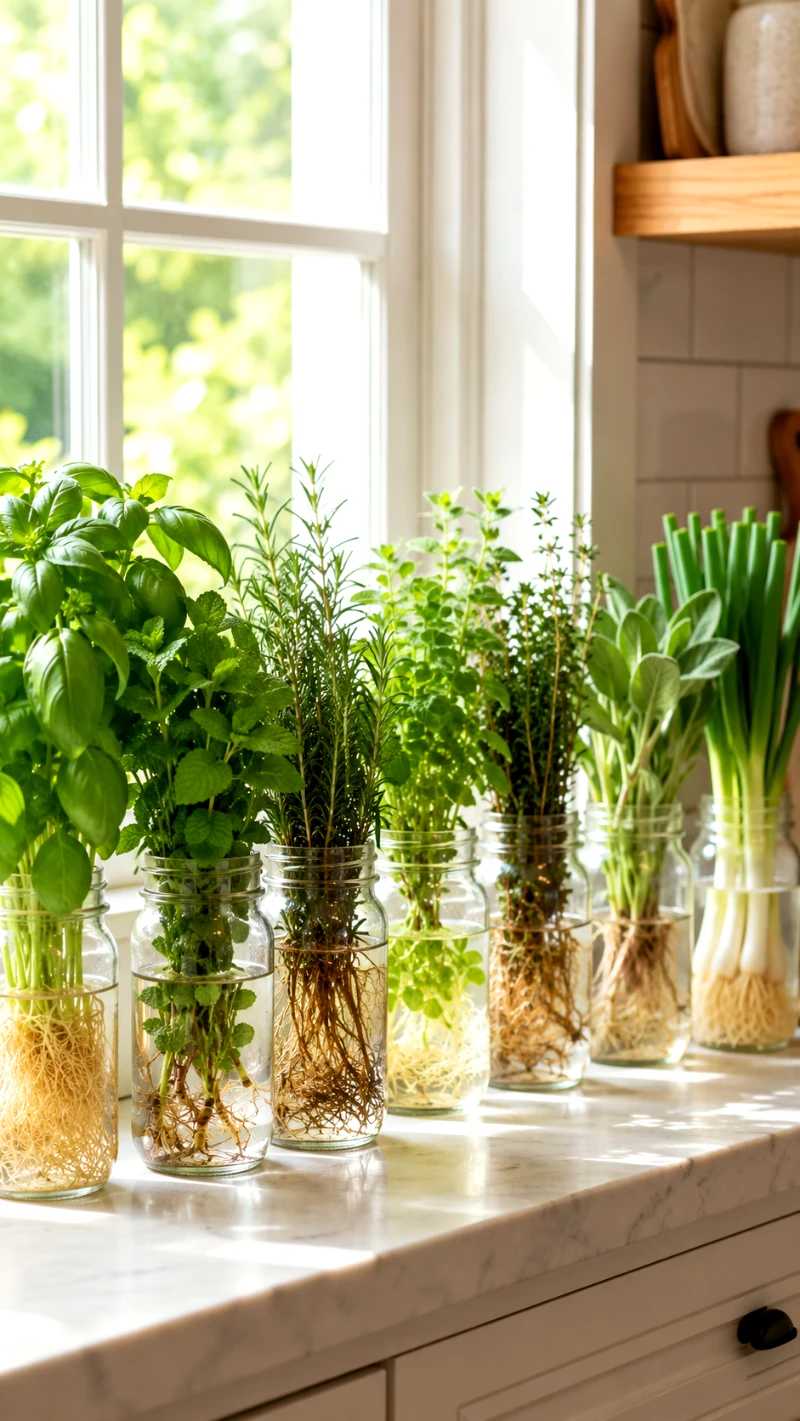
15 Culinary Plants You Can Grow in Water
While we often call them all “herbs” in the kitchen, this list includes a mix of true herbs, leafy greens, and aromatic rhizomes. All of them respond beautifully to the water-growing method.
The Classic Culinary Herbs
1. Basil
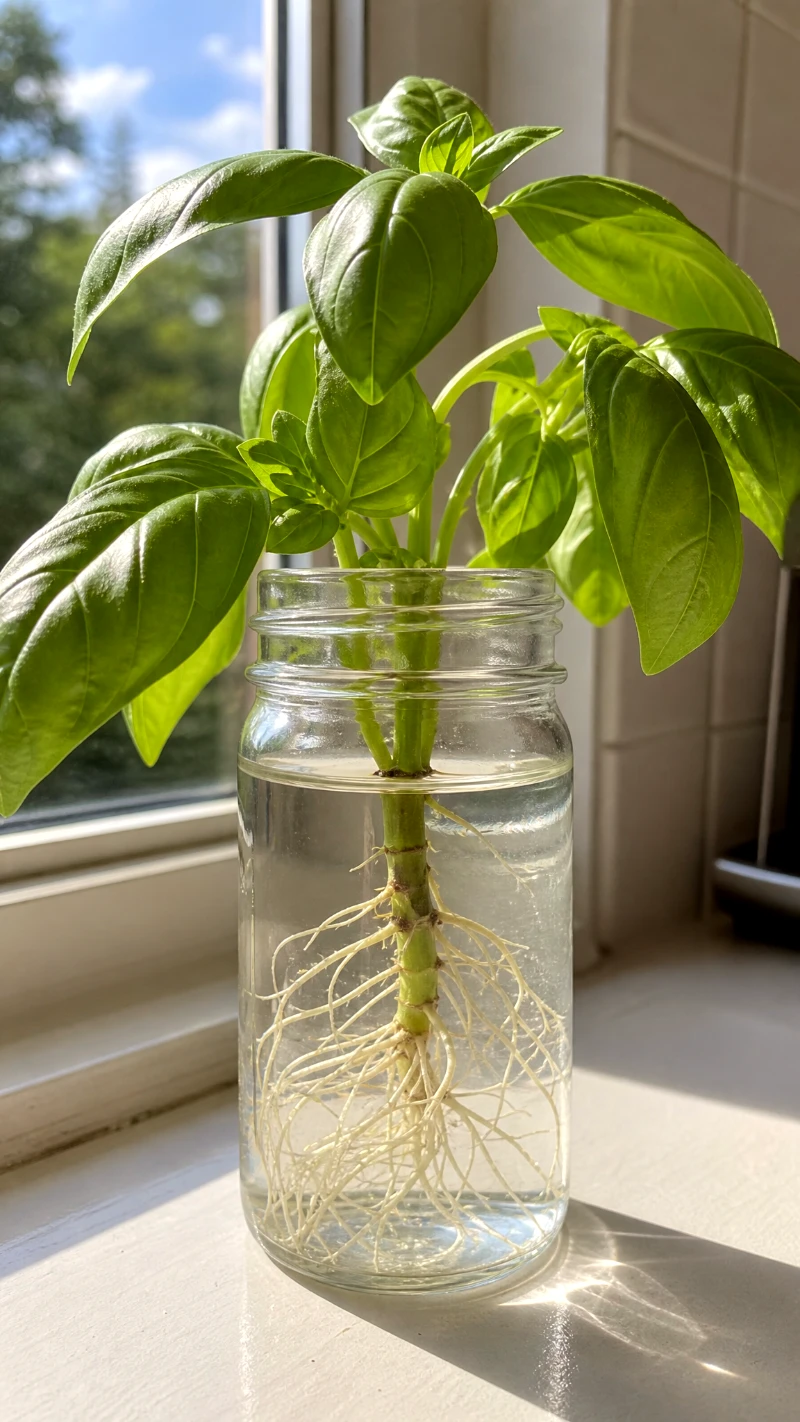
Basil loves warmth and roots incredibly fast. Take a 4-inch cutting, strip the bottom leaves, and place it in water. You will typically see bright white roots form within a week.
2. Mint
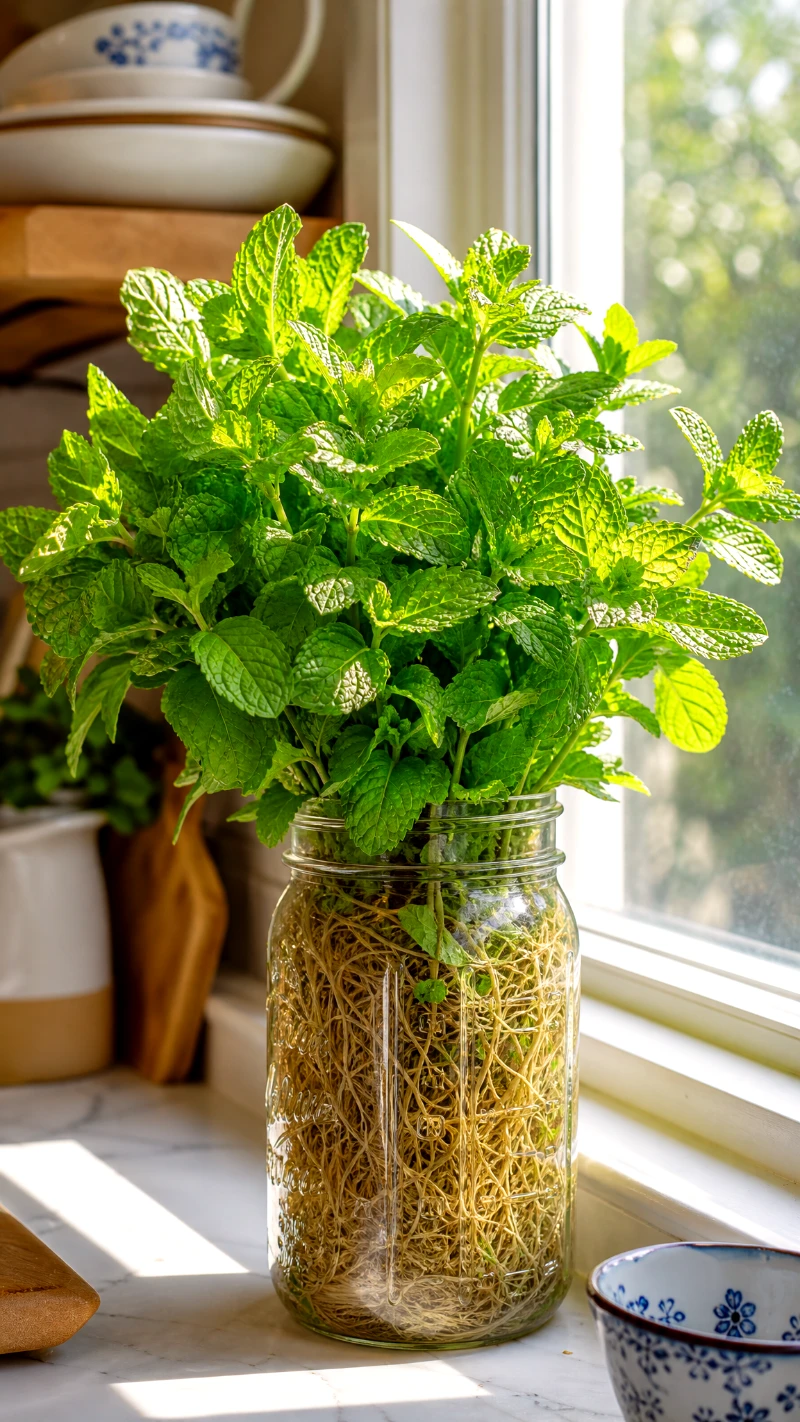
Mint is notoriously aggressive in a soil garden, making it the perfect candidate for a contained water jar. It roots easily and provides a constant supply of fresh leaves for teas and cocktails.
3. Cilantro
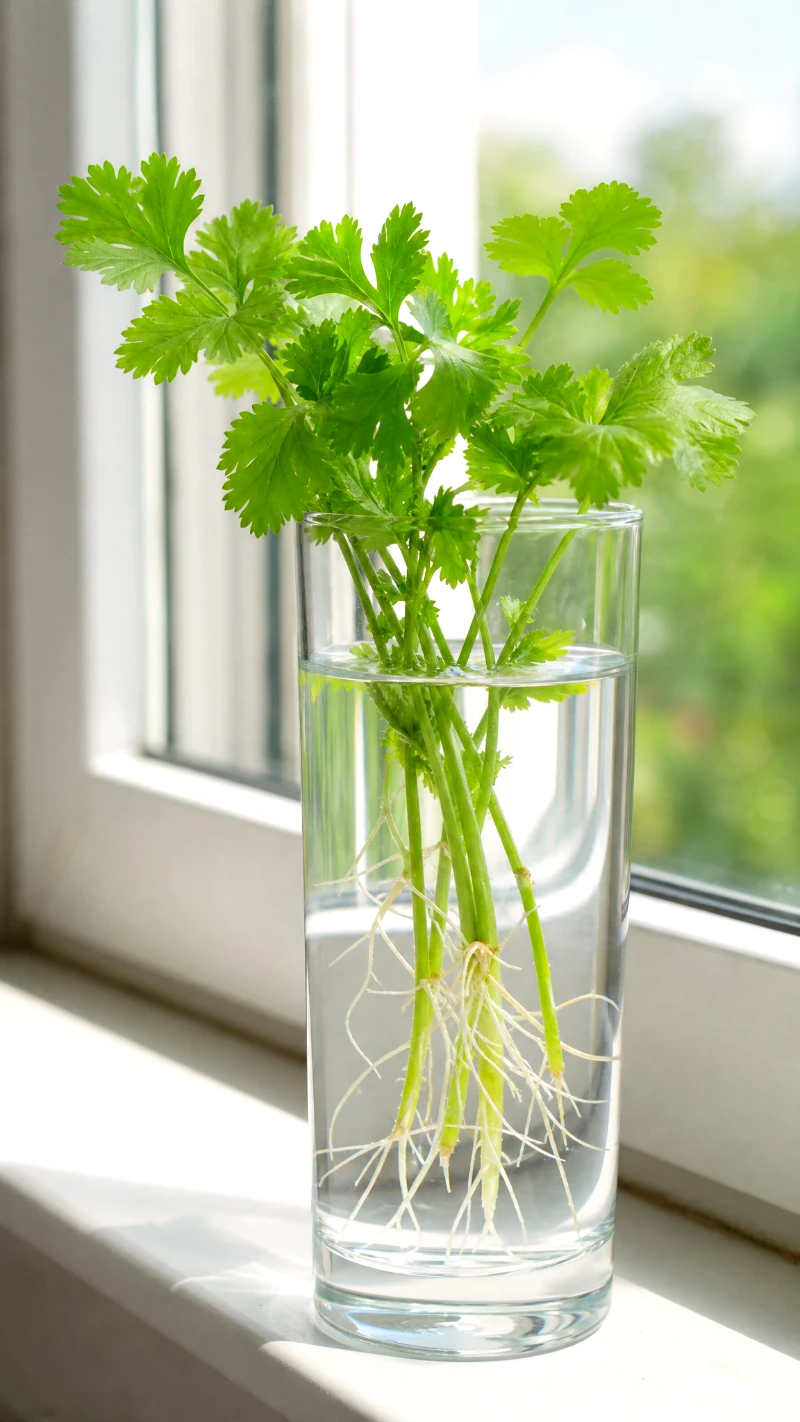
Cilantro can be slightly delicate. Ensure you change the water frequently to keep the stem from getting mushy. Harvest the top leaves regularly to delay the plant from bolting (going to seed).
4. Parsley
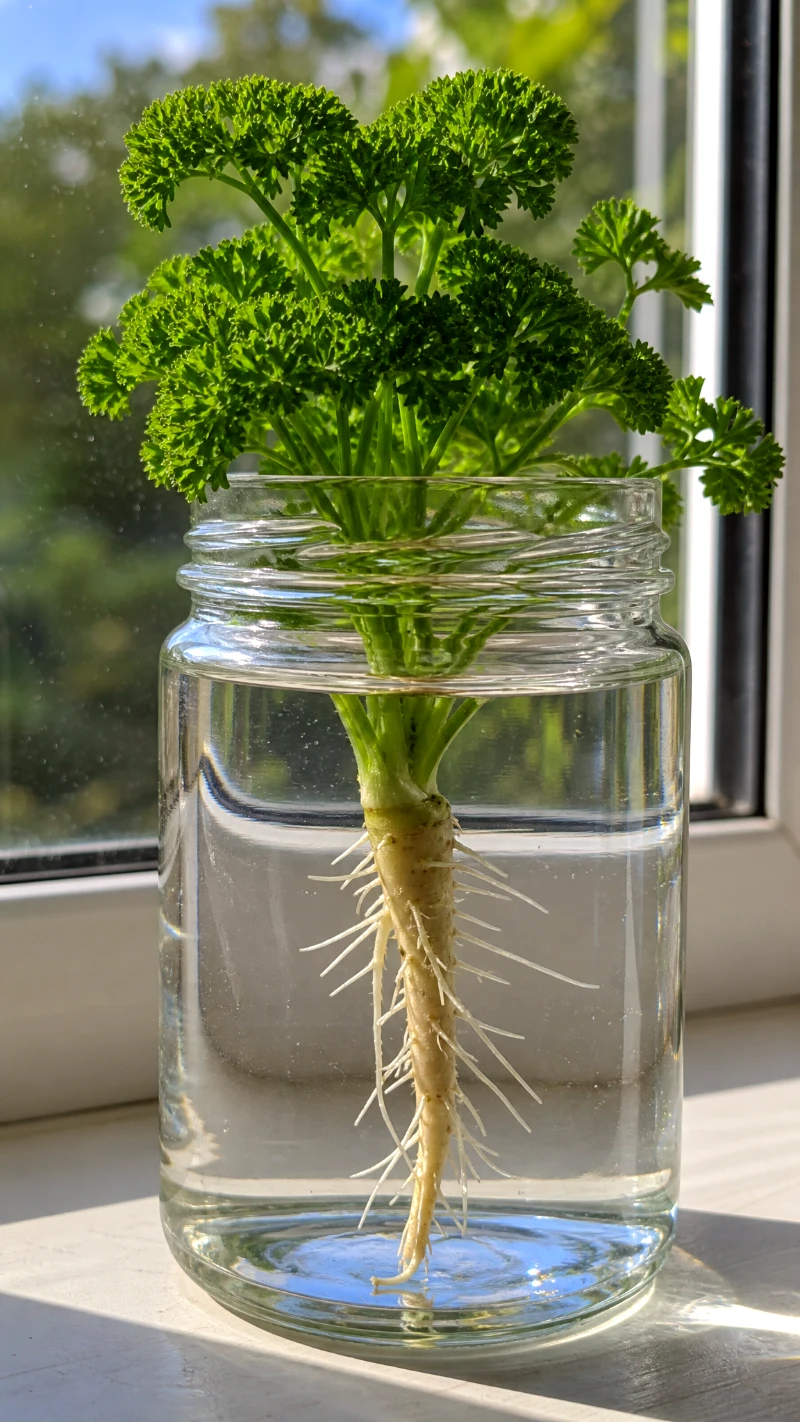
Parsley takes a little longer to root than basil or mint. Be patient, maintain clean water, and wait for the thick taproot to push out fresh white feeder roots.
5. Rosemary
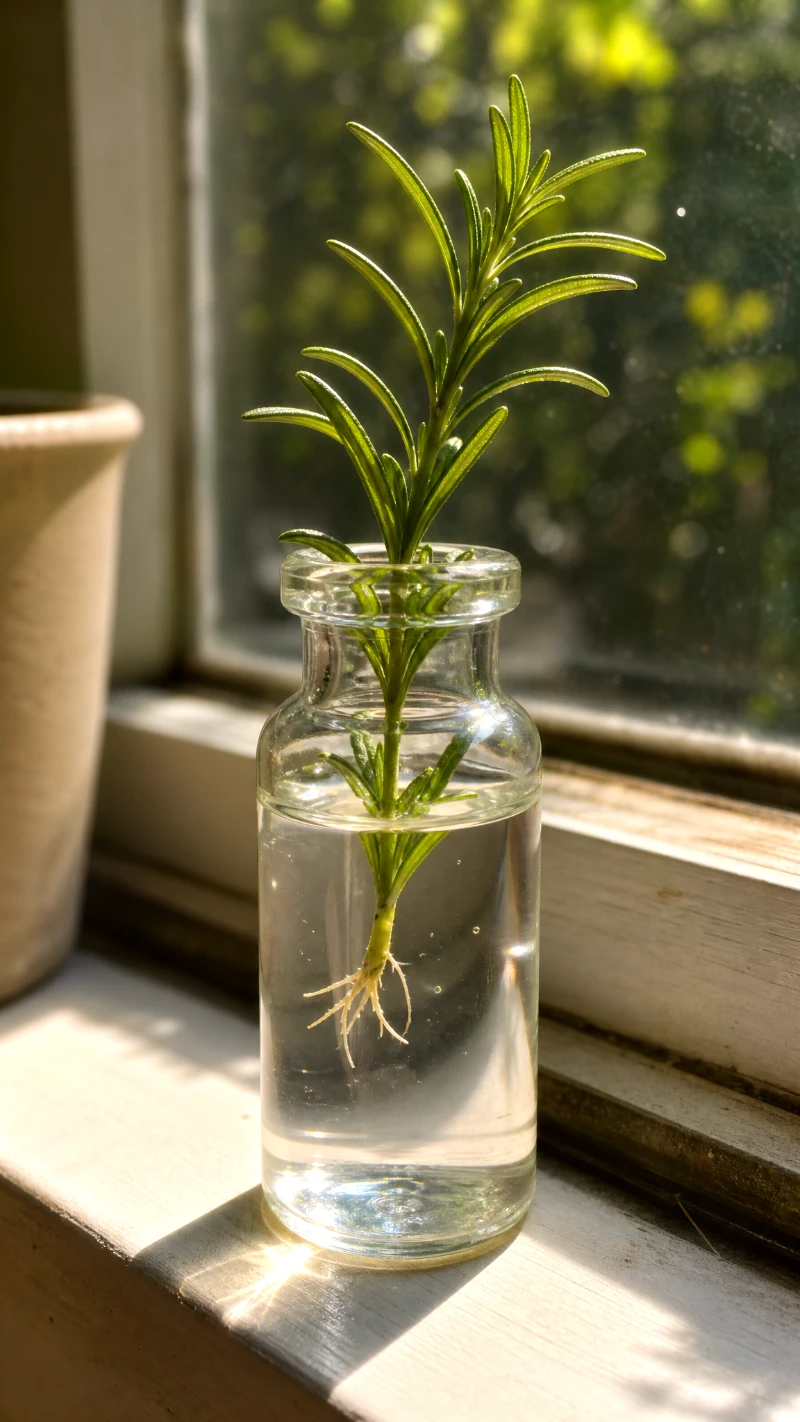
Because rosemary has a woody stem, it roots more slowly than soft-stemmed herbs. Choose new, flexible green growth for your cuttings rather than old, stiff wood to speed up the rooting process.
6. Oregano
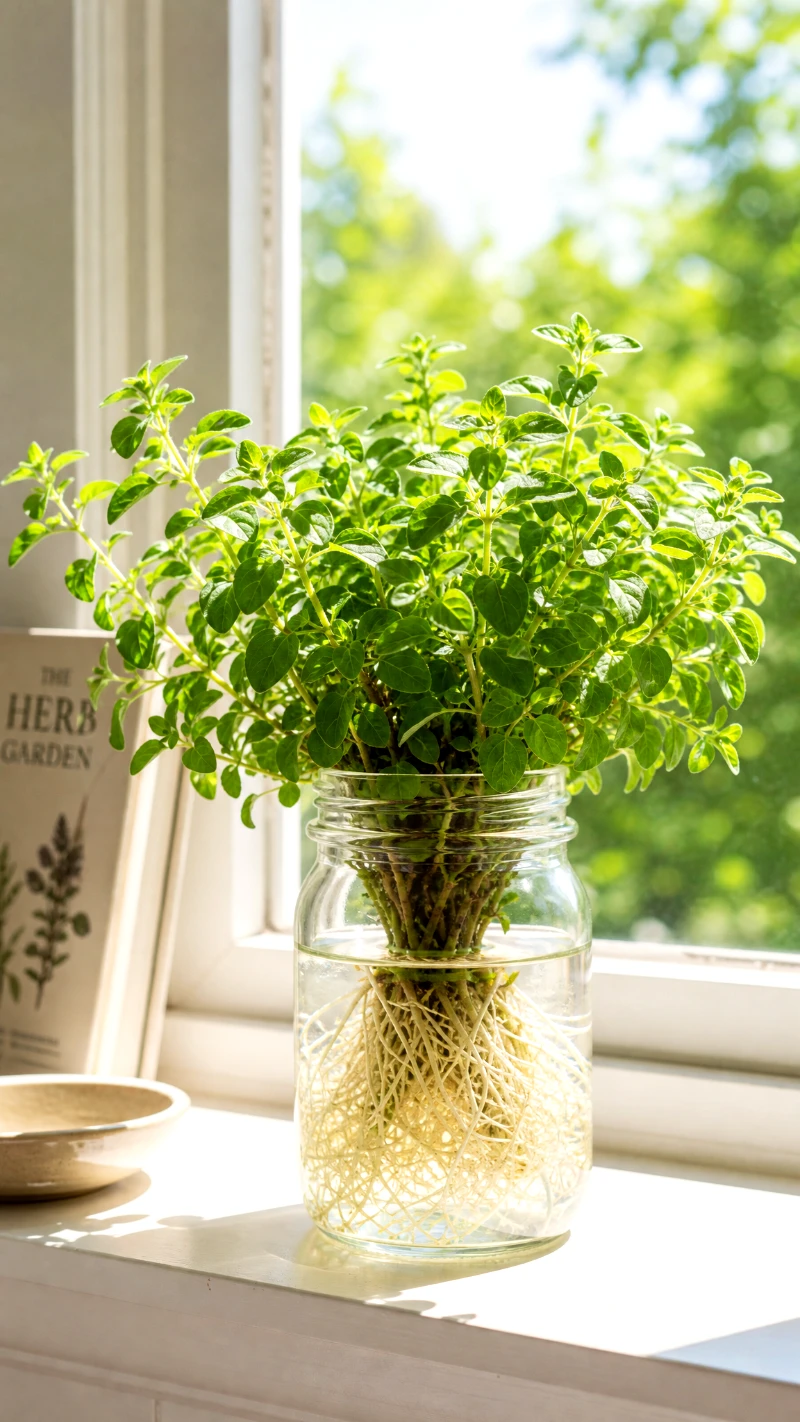
Oregano thrives on sunlight. Place it in the brightest window you have. Once roots establish, pinch the top leaves off regularly to encourage a wide, bushy shape.
7. Thyme
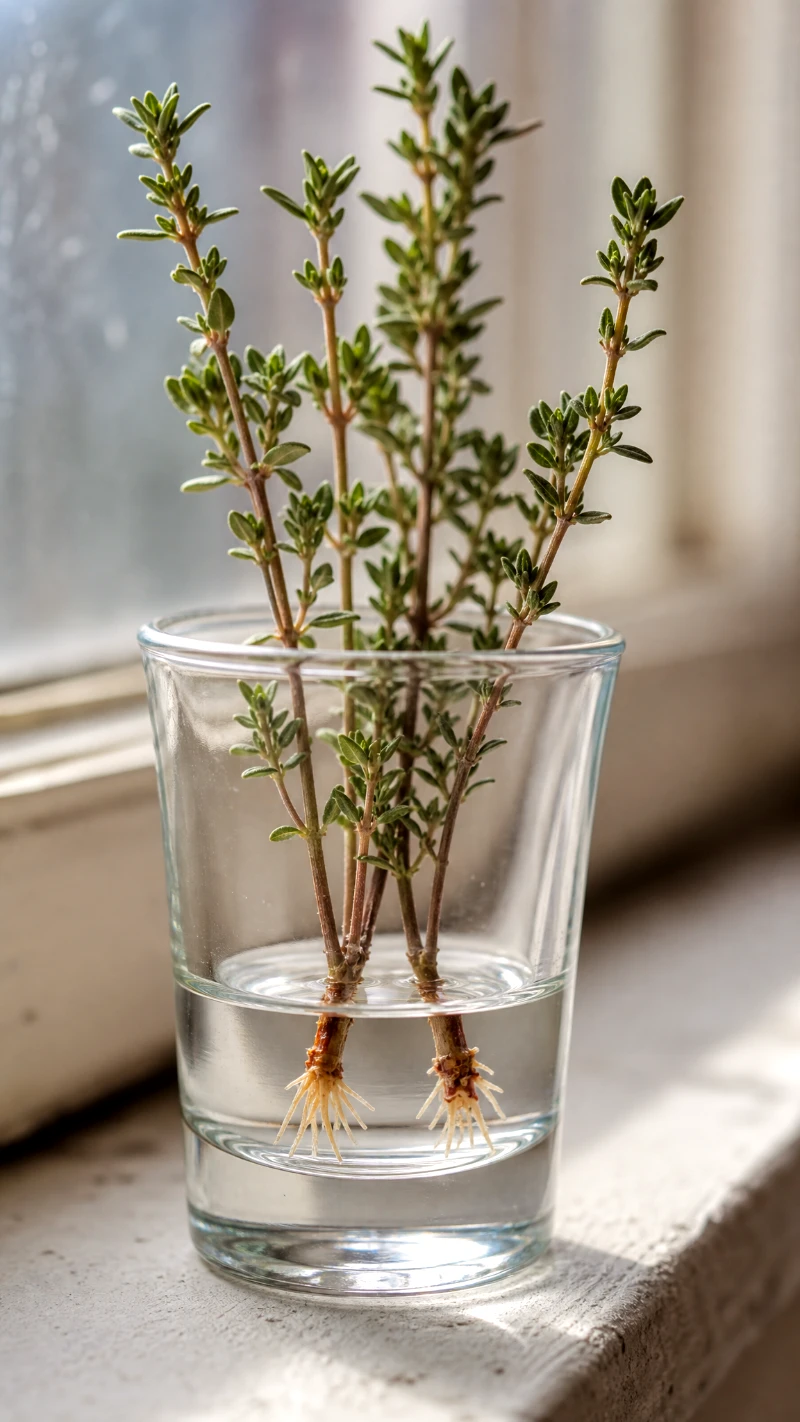
Thyme features very delicate, tiny stems. Only submerge the bottom inch of the stem in water, and ensure no leaves sit below the waterline to prevent immediate rot.
8. Spearmint
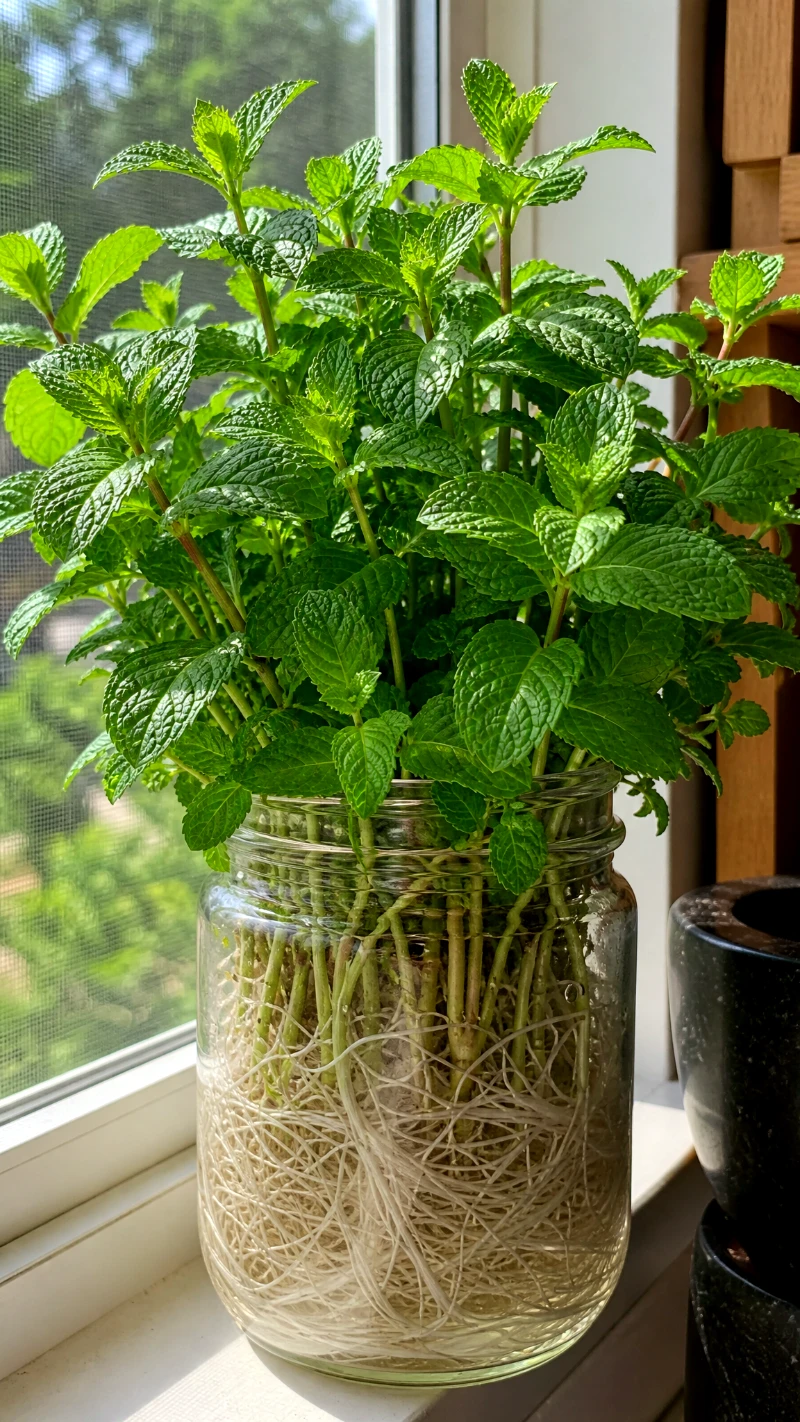
Just like standard mint, spearmint is a vigorous grower. Keep it in its own dedicated jar, as its root system will quickly tangle with and choke out slower-growing herbs.
9. Tarragon
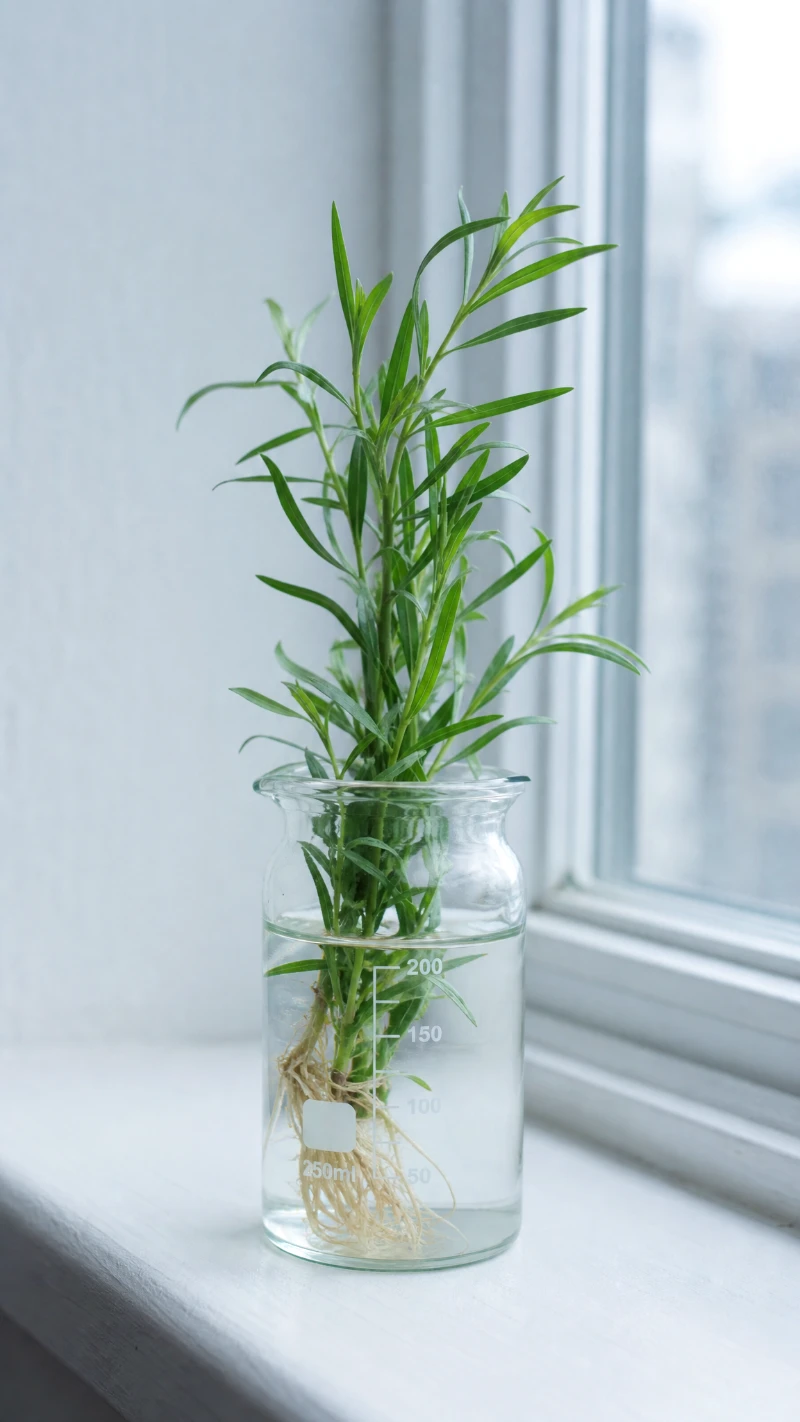
Tarragon prefers slightly cooler environments than basil. Keep the water fresh and use the licorice-flavored leaves sparingly to elevate your chicken and fish dishes.
10. Watercress
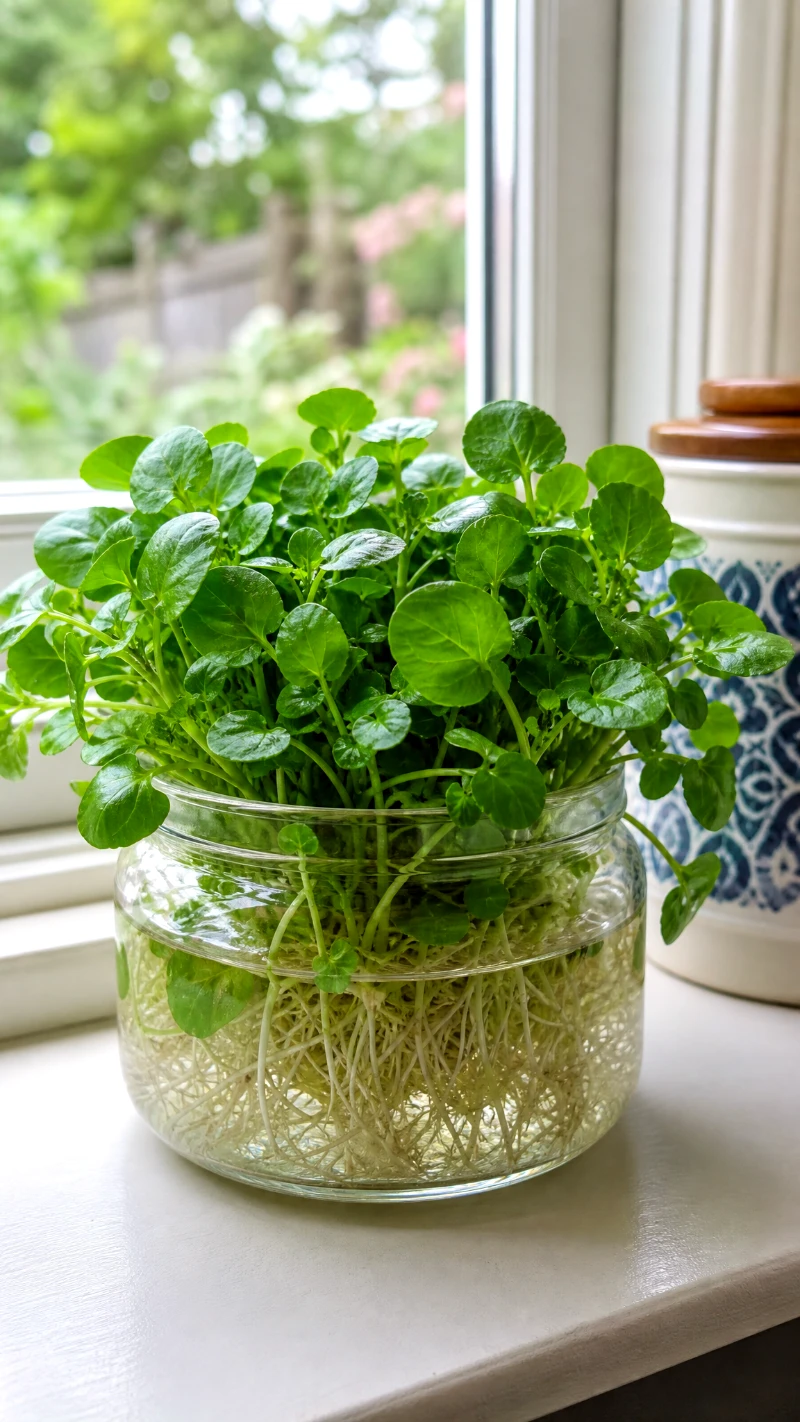
As the name implies, watercress naturally grows in shallow streams. It absolutely thrives in a water-jar setup and provides a peppery crunch to salads and sandwiches.
Veggies & Kitchen Scraps
11. Green Onion
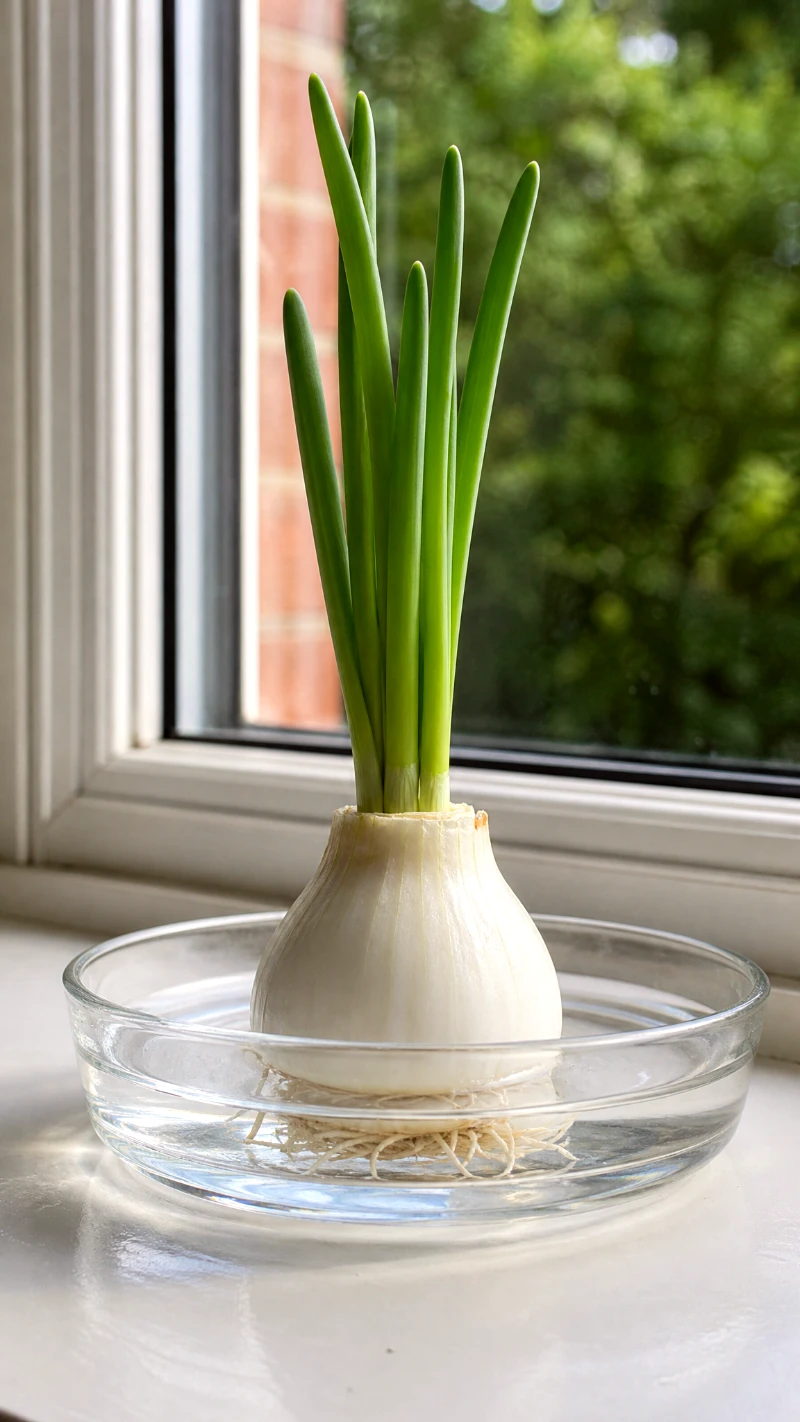
This is the most satisfying plant for beginners. Chop the green shoots off for cooking, leaving the white bulb and roots intact. Place the bulb in an inch of water, and you will see noticeable regrowth by the very next day.
12. Celery
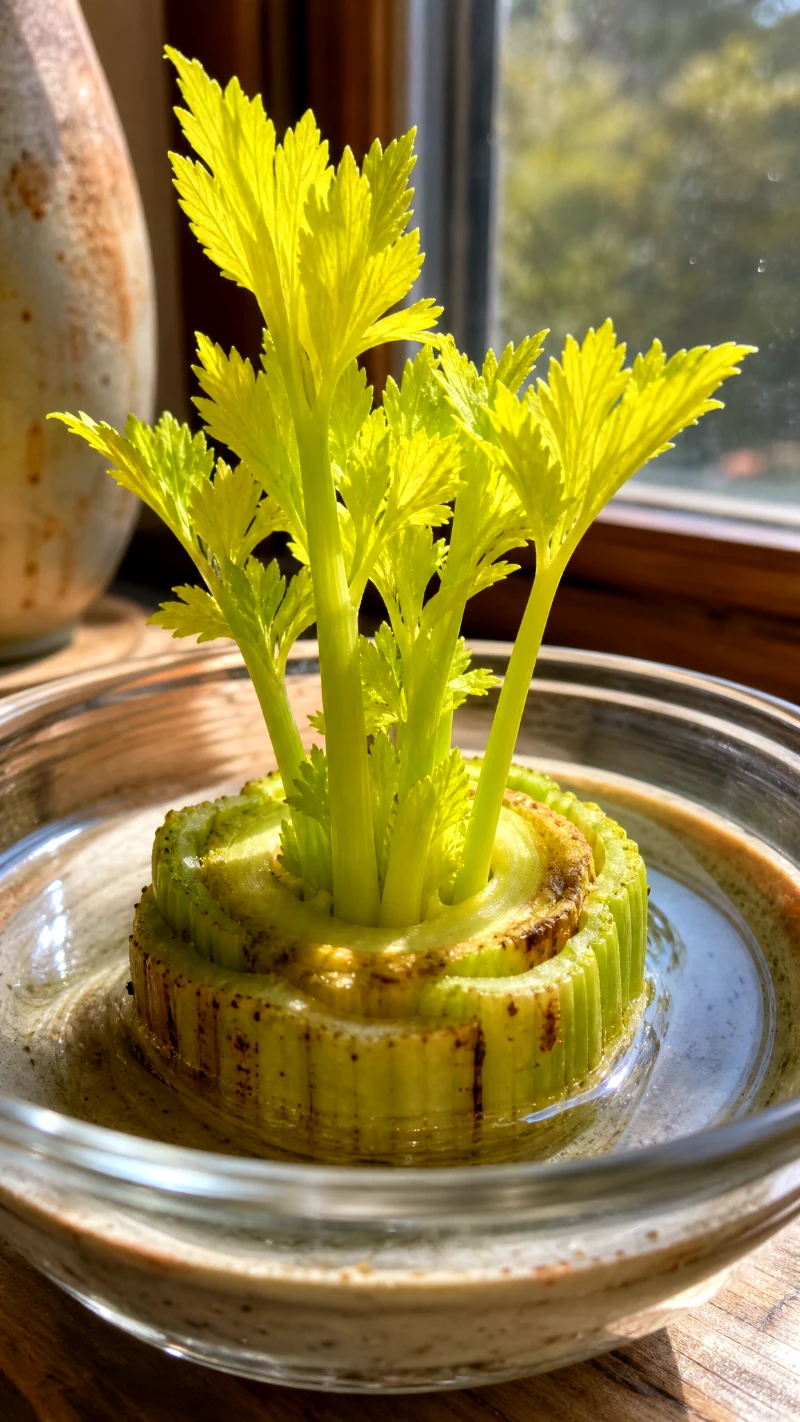
Don’t throw away the base of your celery bunch. Place the stump in a shallow bowl of water. Within a few days, vibrant yellow-green leaves will begin pushing up straight from the center.
13. Romaine Lettuce
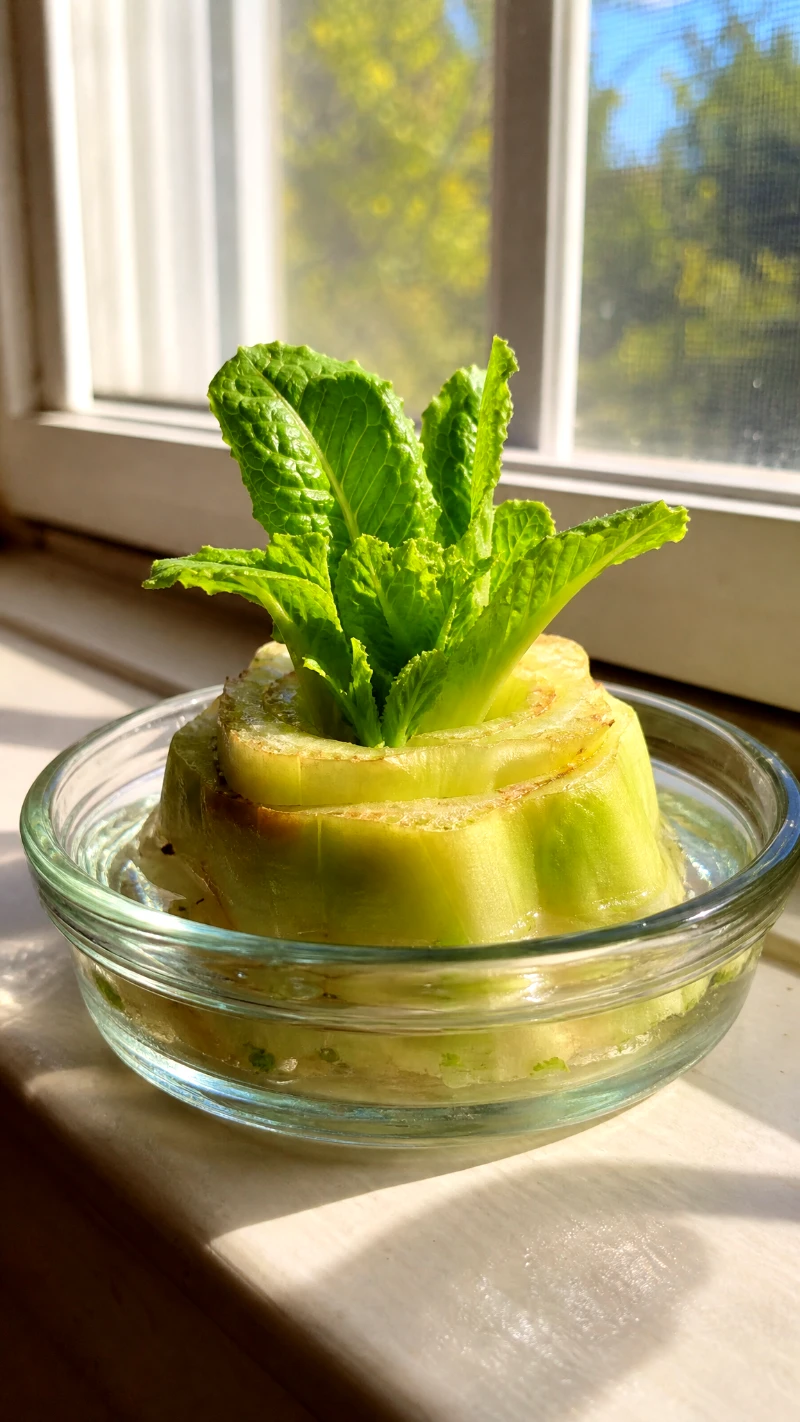
Treat romaine exactly like celery. Cut the leaves off for your salad, leave a two-inch base, and set it in water. It will sprout a second harvest of tender, leafy greens from the middle.
14. Leek
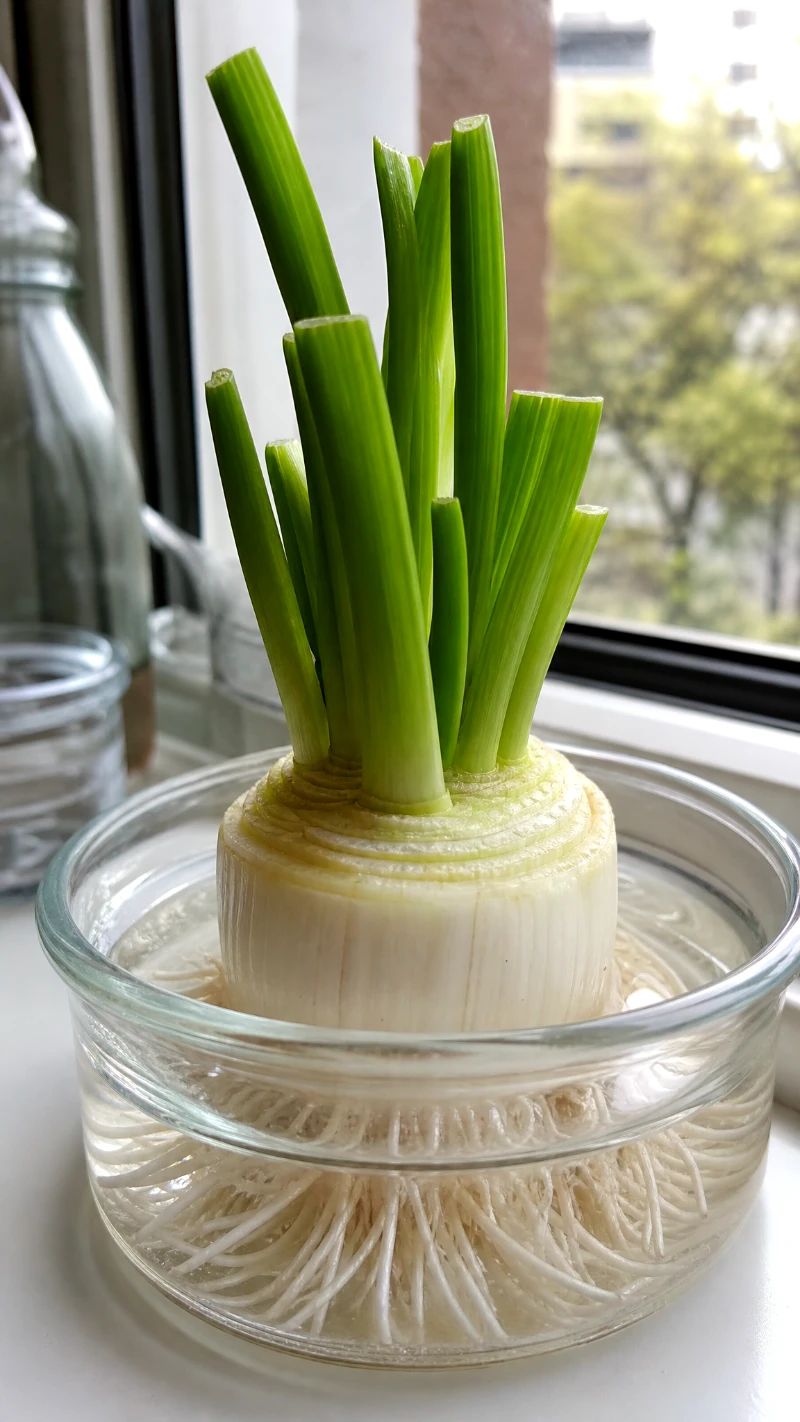
Leeks act just like giant green onions. Save the bottom root section, submerge it in shallow water, and watch the thick green stalks regenerate over a few weeks.
15. Ginger
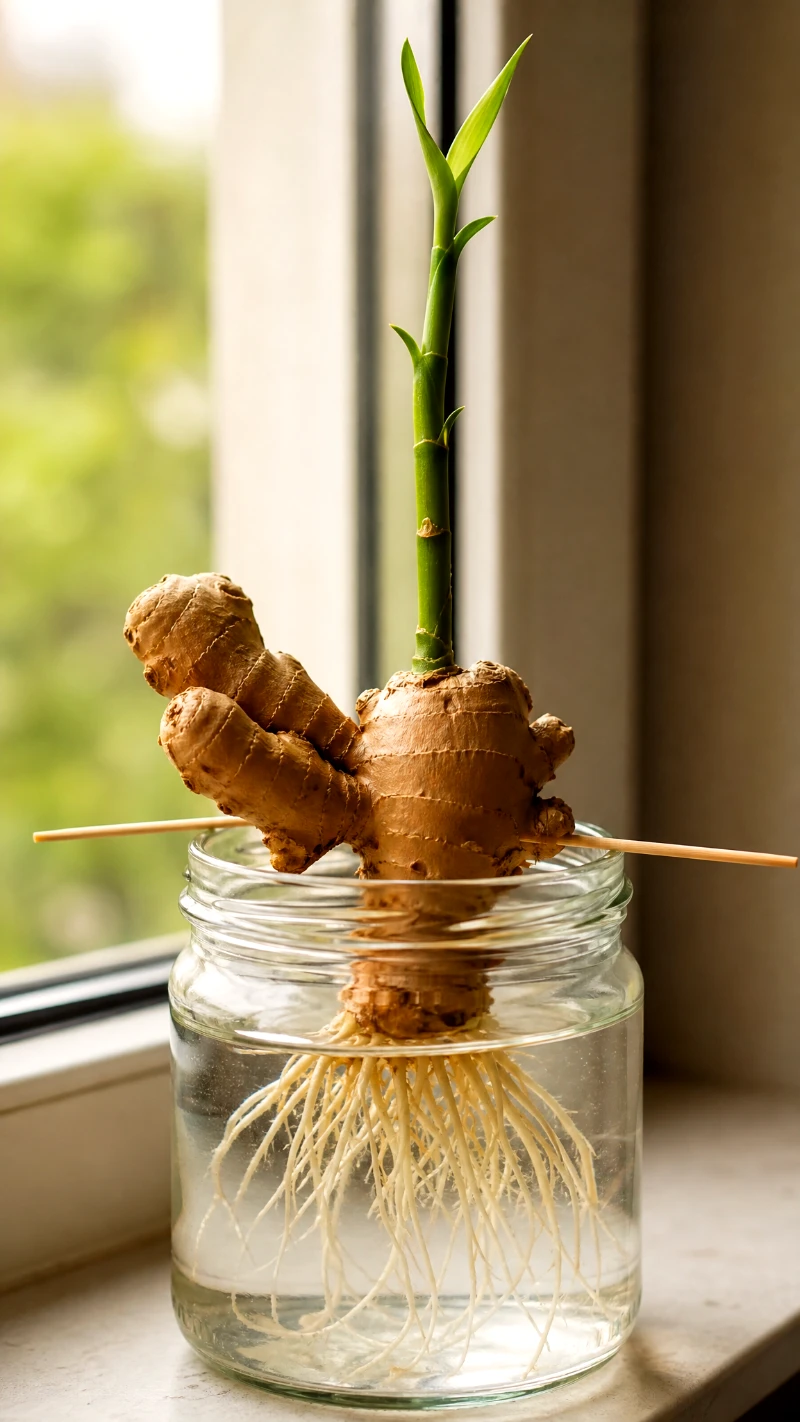
Ginger is a rhizome, not a traditional stem. Suspend a chunk of ginger (ideally one with a small “eye” or bud) so only the bottom half touches the water. It will eventually send down roots and push up a tall, bamboo-like green shoot.
FAQ: Troubleshooting Your Water Garden
How long does it take to see roots?
Soft-stemmed herbs like mint and basil usually sprout roots in 5 to 7 days. Woody herbs like rosemary or thyme can take up to two or three weeks. Vegetables grown from base scraps (like green onions) show top growth within 24 hours.
Do I need to add fertilizer to the water?
For the first few weeks, the cutting survives on its own stored energy and the trace minerals in your tap water. If you plan to keep the herbs in water permanently (rather than transplanting them to soil), add a single drop of liquid hydroponic fertilizer to the jar once a month to replenish depleted nutrients.
Why is my cutting turning brown and mushy at the bottom?
Stem rot happens for two reasons: submerged leaves or old water. Ensure absolutely no leaves sit below the waterline. If the stem still rots, cut off the mushy section, sanitize your glass jar, and refill it with fresh water.
Go grab that leftover bunch of basil or those green onion roots from your cutting board. Drop them in a glass of water today, place them in the sun, and start growing your own endless supply of fresh flavors.